Tag: Old Town

  • Key West Food and Real Estate: A 2026 Homebuyer’s Guide to Neighborhood Fit in Key West, FL

    Key West Food and Real Estate: A 2026 Homebuyer’s Guide to Neighborhood Fit in Key West, FL

    Key West Food and Real Estate: A Homebuyer’s Guide to Neighborhood Fit in Key West, FL

    In Key West, FL, the way you eat shapes the way you live. From walkable clusters of conch fritters and key lime pie to sunset seafood on the water, the city’s dining culture silently guides where buyers plant roots. If you’re a homeowner or shopper deciding between Old Town charm and New Town convenience, understanding how Key West Food aligns with neighborhood vibe, walkability, and daily tradeoffs can help you make a smarter move—and love your routine after closing.

    Why Key West Food Matters for Homebuyers

    Key West Food isn’t just a menu; it’s a map of daily life. Proximity to restaurants influences whether you’ll stroll to dinner, bike to brunch, or rely on a car. It affects parking needs, HOA considerations (like grilling rules), insurance costs tied to flood zones near low-lying eateries, and even resale appeal. For many buyers in Key West, FL, the right address is the one that puts favorite plates and calm nights into the same lifestyle picture.

    Mapping Key West Food to Neighborhoods

    Old Town and Duval Street: Walk-to-Everything Eating

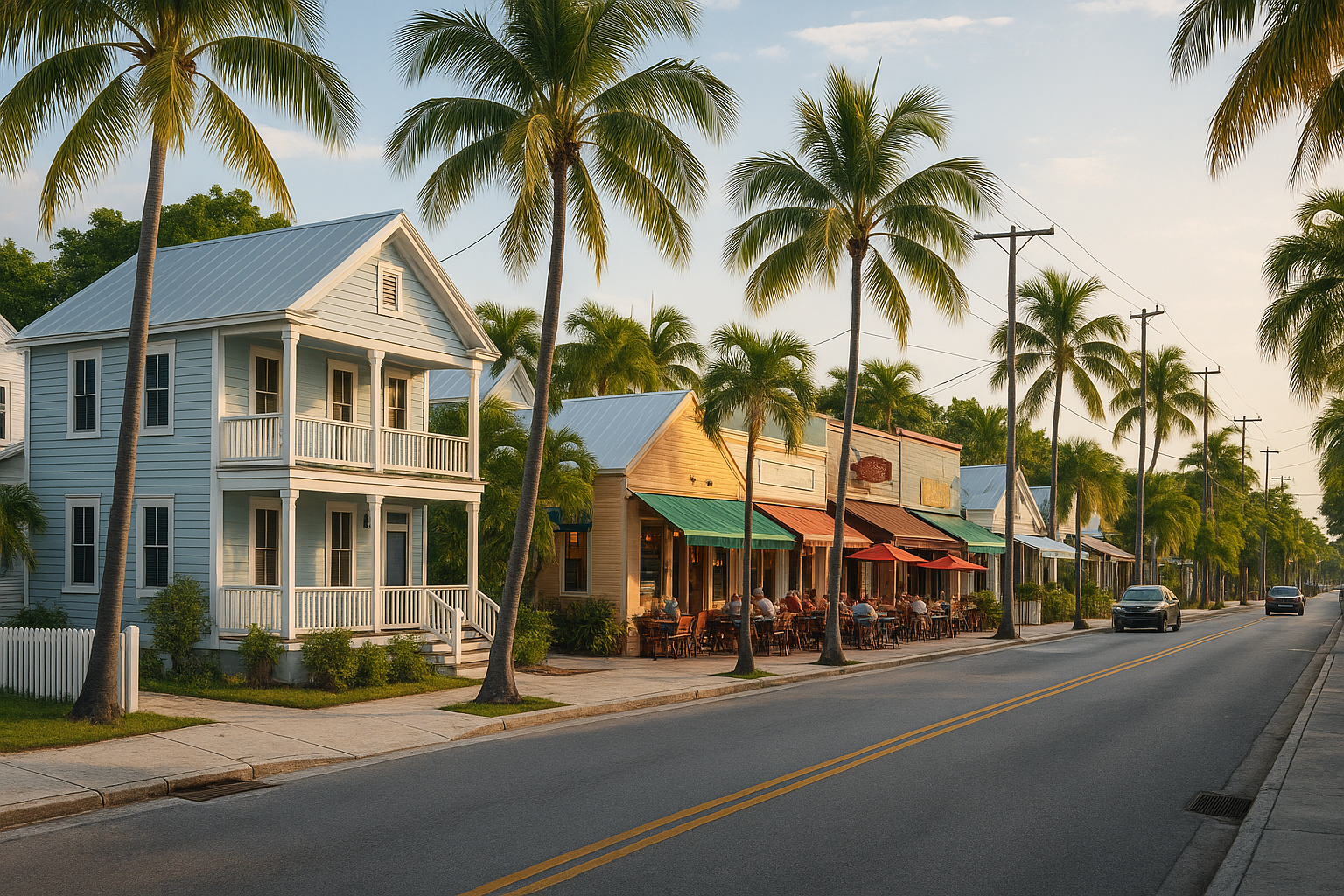
    Old Town is the epicenter of walkable Key West Food, with dense clusters of cafes, dessert spots, and late-night bites. Living here means leaving the car at home and embracing a pedestrian routine. The tradeoff is noise from late-night crowds and tighter parking. Housing ranges from historic Conch cottages to condos and renovated homes. Buyers should weigh charm and walkability against budget, limited off-street parking, and potential short-term rental traffic on nearby streets.

    Historic Seaport: Waterfront Dining and Dockside Energy

    The Historic Seaport brings together marina views and seafood-centered Key West Food, all within a compact, strollable grid. It’s ideal if you want to bike to dinner on the boardwalk and watch boats glide in at sunset. Expect premium pricing and occasional event buzz. Consider flood-zone implications along the waterfront and review any condo association rules if you’re eyeing a low-maintenance unit near the marinas.

    Bahama Village: Culture, Community, and Comfort Food

    Bahama Village offers a community-forward setting and easy access to soulful Key West Food. Streets here lead to a mix of neighborhood eateries and public spaces, attractive to buyers who value local culture and a slower pace. Homes include colorful cottages and small single-family properties. Street parking can be competitive on popular dining nights, so private parking or a convenient bike setup adds daily comfort.

    Casa Marina and The Meadows: Quiet Blocks, Easy Dining Access

    Casa Marina and The Meadows sit near beaches and boutique spots while staying calmer than the busiest corridors. You’ll still enjoy nearby Key West Food but with more residential breathing room. Many homes have yards and off-street parking, a win for owners who entertain or prefer grilling at home. Insurance and elevation vary block by block; check property-specific data if you want to live close to cafes without taking on unnecessary flood risk.

    Midtown: Central Balance and Bikeable Bites

    Midtown offers a balanced lifestyle: quieter than tourist-centric streets, yet close enough to bike to neighborhood bakeries, coffee, and casual dining. Buyers seeking space for storage, kayaks, or pets often find value here. The food scene is less dense than Old Town, but Midtown keeps you a quick ride from multiple clusters, making it a practical base for enjoying Key West Food without late-night noise at your doorstep.

    New Town: Everyday Convenience and Easy Parking

    New Town is built for convenience—with larger grocery stores, casual dining corridors, and ample parking. If your version of Key West Food includes easy weeknight takeout and quick errands, this side of Key West, FL, may be a fit. Housing tends toward newer single-family homes and some townhomes. It’s not as walkable to historic dining districts, but the tradeoff is space, parking, and simpler logistics for families or full-time residents.

    Truman Annex: Gated Calm Near the Action

    Truman Annex blends manicured streets and a gated feel with fast access to Old Town restaurants. It’s appealing for buyers who want polished landscaping and proximity to dining without living directly on the loudest blocks. Review HOA rules, including grilling and short-term rental policies, to ensure they match your lifestyle. For many, the convenience of strolling to dinner while returning to a peaceful enclave is the winning formula.

    Walkability, Parking, and Daily Tradeoffs

    Walkability is a top driver for food lovers in Key West, FL. In walkable cores, you’ll save time and enjoy spontaneity—just remember that limited parking and evening foot traffic are part of the deal. If you entertain at home, prioritize off-street parking or wider lots. If late-night noise is a concern, target a block or two off the busiest corridors, where you can still walk to Key West Food without a party under your bedroom window. In less dense areas, a reliable bike or scooter setup bridges the gap between peaceful streets and your favorite dining spots.

    Flood Zones and Insurance Near Popular Eateries

    Some of the most in-demand dining areas sit in low-lying parts of Key West, FL. Before you fall for a location-based lifestyle, verify elevation, flood zone, and insurance costs for the specific property. Waterfront-adjacent homes and condos near docks or marinas may have higher premiums. Shop insurers early, consider mitigation features (elevated mechanicals, storm shutters), and treat flood readiness as part of the true cost of living close to Key West Food.

    Condo vs. Single-Family for Food Lovers

    Condos keep you close to dining with minimal maintenance, but HOAs may limit outdoor cooking or late-night gatherings. Review grill policies, quiet hours, and any restrictions related to odors or balcony use if your lifestyle includes frequent al fresco meals. Single-family homes give more freedom for outdoor kitchens, herb gardens, and parking for guests heading to dinner with you. If you plan to test recipes and host often, a single-family layout may align better with your Key West Food lifestyle.

    How Key West Food Influences Value and Resale

    Proximity to beloved restaurants can enhance desirability, shorten days on market, and support strong resale—especially in Old Town and waterfront-adjacent pockets. The same locations can carry premiums and higher carrying costs. When evaluating value, look beyond distance to include noise levels, parking, flood risk, and seasonal crowd patterns. Buyers who balance these factors often enjoy the best of Key West Food while preserving long-term satisfaction and market resilience.

    Investor Angle: Festivals, Seasonality, and Rental Potential

    Food-related events and peak dining seasons drive short-term rental demand near popular corridors. If your strategy includes rentals, confirm local rules and HOA policies, then analyze how proximity to dining impacts occupancy versus owner-usage comfort. A property one block off a lively street can outperform by offering access to Key West Food with better sleep quality for guests and owners alike.

    Buyer Tips: Matching Your Plate to Your Place

    • Rank your top five go-to spots and map walking or biking times from each target property.
    • Visit at night and on weekends to check noise, parking, and crowd flow.
    • Ask about HOA rules on grilling and outdoor dining before you fall in love with a balcony.
    • Pull flood and elevation data early; compare insurance quotes across two or three addresses.
    • If you entertain often, prioritize off-street parking and outdoor space.
    • Test your commute to grocery stores in New Town versus your favorite Old Town eateries.
    • Consider a bike/scooter solution if you want quiet streets with fast access to Key West Food.

    FAQ: Key West Food and Real Estate in Key West, FL

    What neighborhoods offer the best access to fresh seafood restaurants?

    Old Town and the Historic Seaport put you closest to dockside seafood and sunset dining. Bahama Village adds cultural flavor within walking distance of local favorites. Each of these areas provides strong access to Key West Food with different tradeoffs in noise, parking, and price.

    How does the local food culture influence condo vs. single-family decisions?

    If you want low maintenance near restaurants, condos around Old Town or the Seaport are compelling. Review HOA rules on grilling and quiet hours. If outdoor cooking and hosting are priorities, a single-family home in Midtown, The Meadows, or Casa Marina offers more flexibility while staying close to Key West Food.

    Are there flood-zone considerations for homes near popular eateries?

    Yes. Low-lying streets near waterfront dining may carry higher flood risk and insurance premiums. Always verify elevation and mitigation features for the exact property. Living close to Key West Food can be rewarding—just make insurance part of your budgeting and due diligence.

    What lifestyle benefits come with buying in New Town versus Old Town for food enthusiasts?

    Old Town delivers dense, walkable dining and nightlife; great for spontaneous evenings. New Town provides easier parking, bigger stores for weekly shopping, and space for entertaining at home. Both connect you to Key West Food, but the daily rhythm differs: stroll-and-sip in Old Town versus convenient, car-friendly routines in New Town.

    Does proximity to restaurants impact property values in Key West, FL?

    Yes. Properties near beloved dining clusters often see stronger demand and rental interest. That premium comes with tradeoffs—noise, limited parking, and, in some spots, higher insurance. Buyers who balance location perks with practical costs tend to enjoy the best returns tied to Key West Food access.

    How can residents manage parking near busy dining areas?

    Consider homes with off-street parking, explore residential permits, and keep bikes or scooters for quick trips. Living one or two blocks off the busiest corridors can maintain walkability to Key West Food while easing parking stress.
  • Best Fishing in Key West for First-Time Homebuyers: Where Lifestyle Meets the Right Home (2026)

    Best Fishing in Key West for First-Time Homebuyers: Where Lifestyle Meets the Right Home (2026)

    If you’re moving to Key West, FL because your perfect day starts with tide charts and ends with a fillet knife, let that lifestyle lead your home search. The best fishing in key west for first-time homebuyers isn’t just about where the fish are—it’s about how quickly you can reach flats, reef, or offshore water from your front door, how easily you can store gear, and how well your budget fits flood, HOA, and maintenance realities.

    Why plan your Key West, FL home around fishing access

    In Key West, FL, fishing access changes your daily rhythm: alarm times tied to tides, rinsing rods in the driveway, and quick runs to a marina before work. Buying with this in mind saves time and money over the long run. You’ll narrow neighborhoods by proximity to launch points, charters, or canals; check HOA rules for trailer storage; and weigh flood risk on streets that back up during king tides. Put simply, the best fishing in key west for first-time homebuyers aligns housing with the way you’ll actually live.

    Mapping the best fishing in Key West for first-time homebuyers to daily life

    Most local anglers focus on three access types: flats from the island’s north and east sides, reef trips via the Historic Seaport and nearby marinas, and shore casting from public piers. Understanding how each lines up with Key West neighborhoods helps you match your address to your favorite bite.

    Flats fishing access and nearby neighborhoods

    Poling for bonefish or permit is all about short runs and stealth. Homes in New Town near the Riviera and Sunrise canals can position you close to northern shallows. Even without a dock, quick drives to Garrison Bight Marina keep flats skiff owners on schedule for dawn launches. Midtown locations can also work if you want a central base with bikeable access to seaport-area guides and supply shops. For many anglers, the best fishing in key west for first-time homebuyers means canal convenience, space for a skiff, and a rinse-down area that won’t fight with your front steps.

    Reef and offshore charters near Old Town and the Historic Seaport

    If you’d rather step aboard a charter for snapper, grouper, or pelagic runs, being able to walk or bike to boats is a daily-life upgrade. Old Town and the Historic Seaport area put you close to Key West Historic Seaport charter operations and dockside services. It’s one of the simplest ways to enjoy the best fishing in key west for first-time homebuyers without paying for waterfront: live near the charters and let captains handle the hull.

    Shore fishing woven into neighborhood routines

    Shore anglers value predictable access after work or at sunrise. The White Street Pier (Edward B. Knight Pier) area and the rocky shoreline at Fort Zachary Taylor State Park make it easy to turn a free hour into a few casts. Casa Marina and Midtown homes keep you close to the Atlantic-side promenade, while Old Town puts you near park access points. If your version of the best fishing in key west for first-time homebuyers is low-gear, no-boat, these locations minimize prep time and maximize shoreline minutes.

    Neighborhood-by-neighborhood: housing tradeoffs for anglers

    Old Town and Historic Seaport: walkability vs. price and parking

    Old Town’s strength is proximity—guides, charters, bait, and waterfront dining all within a stroll. Expect higher purchase prices and tighter lot sizes, with limited private outdoor storage. If you trailer a boat, confirm where you’ll keep it and whether your street or alley can handle turn radius. Some buyers here rely on slip rentals and cargo bikes to move gear, accepting less space at home for unbeatable convenience on the water.

    Midtown: central access, quieter blocks, practical storage

    Midtown splits the difference with shorter rides to marinas, generally more on-site parking, and yards that can host a small skiff behind a gate. It’s appealing if your routine mixes shore fishing, occasional charters, and weekend flats missions. Look for homes with outdoor showers, hose bibs by side gates, and shaded storage—small details that make tackle cleaning and drying simple.

    New Town and canal-front along Riviera Drive: value and function

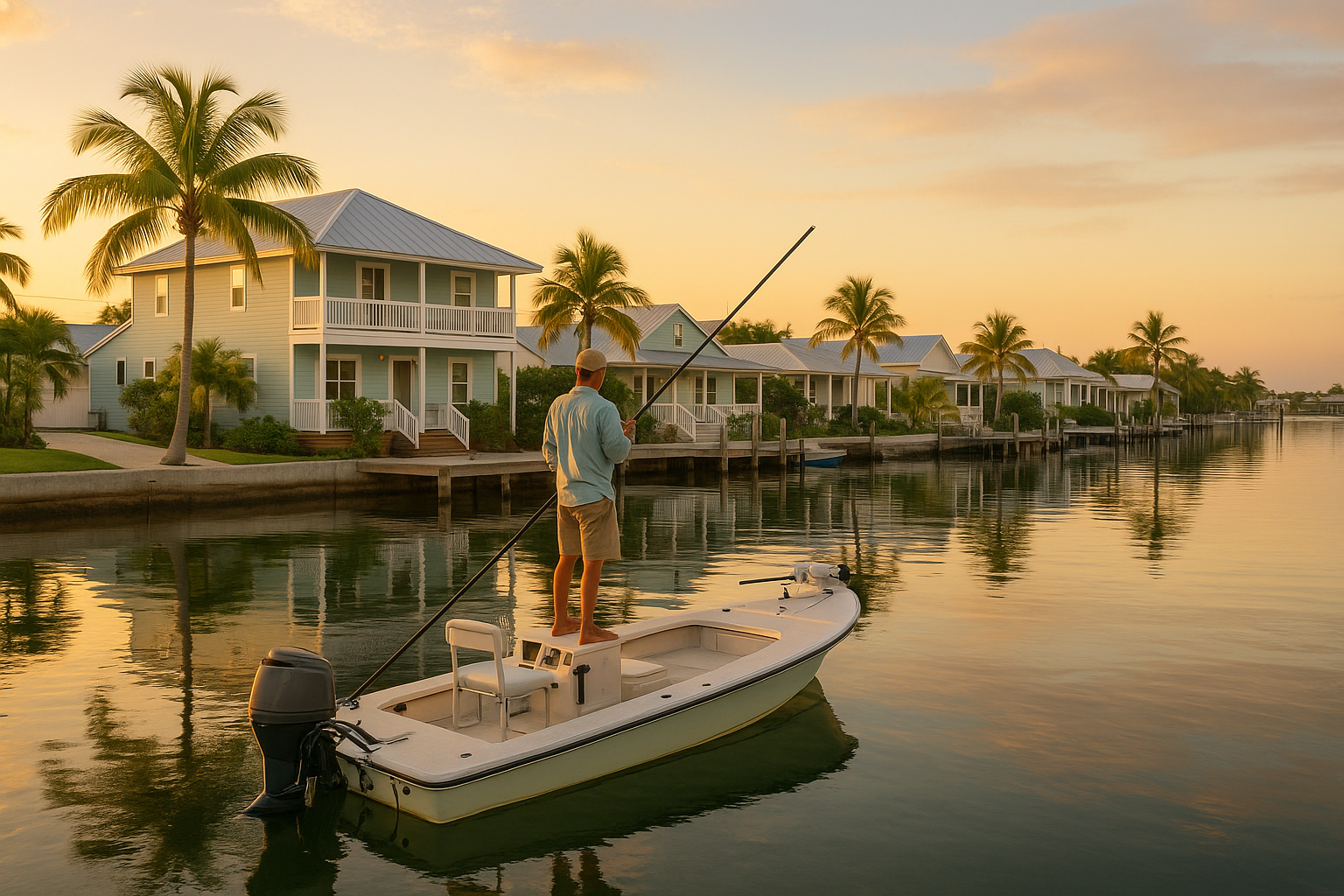
    New Town is the go-to for first-time budgets seeking space. Canal-front streets along Riviera Drive and nearby channels offer private dock potential. Depth, draft, and bridge clearance vary by block—verify that a flats skiff or bay boat fits. Non-waterfront homes here often deliver driveways, carports, and sheds that swallow coolers, rods, and cast nets. For many buyers, this is the sweet spot where the best fishing in key west for first-time homebuyers meets realistic pricing and storage.

    Casa Marina and The Meadows: refined streets close to water

    These areas offer quiet blocks and quick rides to the seaport. Direct dockage is limited, but thoughtful renovations often include impact windows, wind mitigation features, and outdoor rinse stations. If you prefer pedaling to a charter in the morning and returning to tree-lined streets at dusk, this blend can feel just right.

    Truman Annex and Bahama Village: near-charter living with rules to review

    Proximity to the Historic Seaport is a plus, but first-timers should read HOA documents carefully. Trailer storage, exterior modifications, and outdoor gear on balconies or porches may be restricted. This is a smart path for low-maintenance living if you rely on charters—just make sure the community’s rules fit your routine.

    Property types that fit a fishing lifestyle in Key West, FL

    Single-family homes: side-yard gates, hose bibs, and sheds

    For tackle-heavy anglers, ground-level storage matters. Prioritize gated side yards for skiffs or kayaks, wide driveways for trailering, and exterior power/water for rinse-downs. Look for durable surfaces—pavers or concrete—to handle saltwater wear around cleaning stations.

    Condos and townhomes: shared docks and HOA clarity

    Condos near the Historic Seaport sometimes offer access to nearby marinas or limited shared dockage. Before you fall in love, verify slip dimensions, power availability, live-aboard rules, and guest docking policies. Review HOA guidelines on balcony storage, fish cleaning, and quiet hours. If you rely on charters, a condo can deliver the best fishing in key west for first-time homebuyers by removing vessel maintenance from your to-do list.

    Canal-front homes: know your draft, permits, and maintenance

    On Riviera and adjacent canals, confirm controlling depths, tidal swings, and whether seagrass or setbacks limit dock extensions or lifts. Ask for permits on existing structures and budget for piling, decking, and lift maintenance. Canal living brings you close to the action, but salt and sun demand consistent upkeep.

    Practical buyer checklist: flood, insurance, and marina logistics

    Flood zones and elevation certificates

    Many sought-after, water-proximate streets in Key West sit in mapped flood zones. Request an elevation certificate early, review prior claims if available, and get multiple flood and wind quotes. Wind mitigation inspections, roof age, and impact-rated openings can meaningfully affect premiums. The City of Key West Floodplain Management resources help you understand local requirements. Smart flood planning is part of unlocking the best fishing in key west for first-time homebuyers without budget surprises.

    Boat storage, slips, and waitlists

    Slip availability at island marinas can be limited, and waitlists are common. Call early to confirm sizes, fees, and proof-of-insurance requirements at places like Garrison Bight Marina. At home, measure side yards and gates, and confirm city and HOA rules for trailer parking. If storage is tight, a smaller skiff or reliance on charters can keep you on the water while you build equity.

    Daily routine: parking, rinsing gear, and morning launches

    Life is easier when you can park off-street after a long day, hang waders or rash guards to dry, and not wake neighbors with predawn prep. Tour homes at the same early hours you’ll be rolling out to the dock. That’s the moment to see whether noise, lighting, and traffic patterns work for you.

    Budget strategies for first-timers focused on fishing

    Prioritize access over frontage

    Waterfront is premium-priced. Many first-timers capture 90% of the lifestyle by living near the Historic Seaport or a canal system and using day-use slips or charters. That keeps monthly costs predictable and opens more inventory.

    Leverage marinas instead of private dock at first

    Consider a phased plan: Year one, rely on charters or a rented slip; year two, reassess whether a canal-front upgrade or lift installation makes sense. This approach often delivers the best fishing in key west for first-time homebuyers without overextending on the initial purchase.

    Find value in New Town condos and Midtown cottages

    Condos in New Town or cottages in Midtown can cost less than Old Town historic homes and still keep you within a quick ride of marinas and piers. Confirm HOA fees against what you’d otherwise spend on dock maintenance and insurance.

    FAQs: Fishing-forward home buying in Key West, FL

    What neighborhoods in Key West offer the best access to fishing spots for new homeowners?
    Old Town near the Historic Seaport is ideal for walking to charters. Midtown provides central convenience and storage. New Town, especially near Riviera and Sunrise canals, is practical for skiffs and gear. Casa Marina and The Meadows give quiet streets with quick rides to the seaport.

    How do flood zones affect buying for anglers in Key West, FL?
    Many close-to-water areas are in flood zones. Get an elevation certificate, compare insurance quotes, and prioritize wind mitigation and roof age. Review city guidance before planning dock or lift changes.

    What property types best fit a fishing lifestyle for first-time buyers?
    Single-family homes with gated side yards, outdoor showers, and sheds are great for gear-heavy anglers. Condos near the Historic Seaport work well if you charter often. Canal-front homes are ideal if your boat’s draft and bridge clearance fit the specific canal.

    Are there budget-friendly places to live near top fishing areas in Key West?
    New Town and parts of Midtown typically offer more attainable pricing than historic cores, with better on-site storage. Pair a practical home with marina access to enjoy the best fishing in key west for first-time homebuyers without paying for waterfront.

    How do I choose between Old Town and New Town for a fishing-focused lifestyle?
    Pick Old Town if you want to walk to charters and accept tighter storage and higher pricing. Choose New Town if you want parking, sheds, and possible canal access. Midtown balances both with central location and manageable maintenance.

    What should I know about HOA and city rules for boats and gear?
    Rules vary widely. Review HOA documents for trailer storage, dock usage, and outdoor gear. Confirm city regulations for street parking and any permits for docks, lifts, or exterior rinse stations.

    Bringing it all together

    Use your fishing routine as a buying compass: If charters define your weekends, plant yourself near the Historic Seaport. If you live for bonefish tides, target New Town streets close to canals, or Midtown for quick runs to launch points. Weigh flood and wind costs early, measure side yards for trailers, and understand HOA rules. When you align home features, neighborhood access, and insurance realities, you’ll secure the best fishing in key west for first-time homebuyers in a way that fits your budget—and your tide chart.