
Tag: Neighborhoods

  • Key West Homebuyer Roadmap: Flood, Wind Insurance, Neighborhoods, and Market Seasonality

    Key West Homebuyer Roadmap: Flood, Wind Insurance, Neighborhoods, and Market Seasonality

    Key West Homebuyer Roadmap: Flood, Wind Insurance, Neighborhoods, and Market Seasonality

    Yes — you can buy smart in Key West by timing your search, budgeting for flood and wind coverage, and matching neighborhoods to lifestyle priorities. This Key West homebuyer roadmap provides clear market seasonality guidance, must-know flood and wind insurance basics, and neighborhood snapshots so you can make confident offers and plan for insurance and mitigation costs. That makes sell home Key West checklist pricing staging useful context for comparing pricing, demand, and buyer behavior in Key West. Key West homebuyer roadmap flood wind insurance neighborhoods market seasonality plays a critical role in real estate decisions.

    What are year-round market patterns in Key West? (Key West homebuyer roadmap flood wind insurance neighborhoods market seasonality)

    Key West’key west homebuyer roadmap flood wind insurance neighborhoods market seasonalityfollows a seasonal rhythm influenced by tourism, snowbird migration, and local inventory cycles. Recognizing these patterns helps buyers time searches, structure offers, and anticipate competition. That makes Springtime in the Florida Keys and what useful context for comparing pricing, demand, and buyer behavior in Key West.

    High season (November–April)

    • Demand spikes: Many buyers—especially seasonal residents and investors—shop during the winter months. That increases competition for well-priced homes.
    • Inventory: Quality inventory can be limited because sellers often delay listing until after winter or price competitively to attract seasonal buyers.
    • Price pressure: Expect quicker decisions and, in some cases, multiple offers on turnkey properties.

    Shoulder months (May–June, September–October)

    • Opportunities: Fewer buyers in market means more negotiating room, and sellers who list in these months may be more motivated.
    • Inspections and timelines: With less demand, inspection windows and closing timelines can be more flexible.

    Low season (July–August)

    • Slower market: Hurricane season and peak heat reduce foot traffic. Buyers can often find price concessions or seller credits.
    • Insurance considerations: Hurricanes and tropical storms are front of mind—insurance quotes and underwriting can slow timelines, so account for extra time.

    Practical takeaway: If you need to minimize competition, target shoulder months. If you prioritize inventory depth and seller motivation, summer can produce deals but may complicate insurance and inspections. For a fast purchase and high-priced competition, expect winter demand. For broader pricing context, compare this with sell Key West home May summer staging. Key West homebuyer roadmap flood wind insurance neighborhoods market seasonality plays a critical role in real estate decisions.

    What flood and wind insurance basics should Key West buyers know? (Key West homebuyer roadmap flood wind insurance neighborhoods market seasonality)

    Because Key West sits at sea level and in a hurricane-prone region, flood and wind insurance are essential components of a home purchase. They affect ongoing carrying costs, loan eligibility, and seller negotiations.

    Flood insurance: what you need to know

    • Mandatory vs. recommended: If your mortgage lender requires it (typically for properties in high-risk flood zones), flood insurance is mandatory. Even outside high-risk zones, many buyers choose coverage because of storm surge and nuisance flooding.
    • NFIP and private policies: The National Flood Insurance Program (NFIP) provides standard coverage; private carriers may offer higher limits, better pricing, or expanded coverages including business interruption for rentals.
    • Elevation certificates: Elevation and finished floor height drive premiums. Request an elevation certificate early—buyers can often negotiate seller-provided certificates or require them as a contingency.
    • Waiting periods: Standard NFIP policies have a 30-day waiting period before coverage begins; plan insurance timing into your closing schedule.

    Wind and hurricane insurance

    • Primary homeowner policies: Most homeowners policies in Key West exclude flood but include wind coverage subject to hurricane deductibles. Compare wind deductibles—often a percentage of dwelling coverage—between carriers.
    • Wind-only policies: In some cases, wind-only policies or separate windstorm coverage may be available or required depending on carrier underwriting and property risks.
    • Hurricane deductibles: These can range from 1% to 10% of dwelling coverage, significantly affecting out-of-pocket costs after damage. Ask for example scenarios showing realistic deductible amounts.
    • Mitigation credits: Impact-rated windows, roof straps, elevated utilities, and other hardening measures can lower premiums. Consider these improvements when evaluating older homes.

    Insurance underwriting & timelines

    Underwriting for both flood and wind policies can add time to the closing process. Expect requests for documentation such as elevation certificates, past claims history, proof of mitigation, and detailed property descriptions. Get insurance quotes early and add insurance contingency language to your contract to avoid surprises. Key West homebuyer roadmap flood wind insurance neighborhoods market seasonality plays a critical role in real estate decisions.

    Which Key West neighborhoods match my lifestyle and risk tolerance?

    Key West neighborhoods vary widely in character—from historic Old Town cottages to suburban-style homes and waterfront condos. Below are neighborhood snapshots focused on lifestyle, market behavior, and insurance implications. For supporting market context, see National Association of Realtors housing insights. Key West homebuyer roadmap flood wind insurance neighborhoods market seasonality plays a critical role in real estate decisions.

    Old Town

    • Lifestyle: Historic charm, walkability, restaurants, galleries, and high tourist foot traffic. Excellent for buyers seeking a vibrant, urban island environment.
    • Housing: Conch cottages, bungalows, and smaller lots. Many homes are older and may require hurricane-hardening or elevation work.
    • Market notes: High demand in high season; limited inventory and premium pricing for turnkey historic homes.
    • Insurance: Flood risk varies by block; elevation certificates and retrofit history directly affect premiums.

    Truman Annex & Casa Marina areas

    • Lifestyle: Upscale residential neighborhoods with close proximity to beaches, parks, and boating access.
    • Housing: Mix of restored historic homes and newer luxury builds; higher price points and strong buyer demand.
    • Market notes: Competitive market for high-quality properties; buyers often face limited opportunities in peak season.
    • Insurance: Waterfront proximity means flood and wind coverage are major cost drivers; mitigation features are common and beneficial for premiums.

    Key West residential outskirts (near Stock Island and northern edges)

    • Lifestyle: More space, less tourist density, and often newer construction or condo developments with modern amenities.
    • Housing: Larger lots, newer builds, and sometimes better elevation—appealing to families and buyers seeking value.
    • Market notes: Longer days on market compared with Old Town; more negotiating power outside peak months.
    • Insurance: Newer construction frequently benefits from modern building codes; confirm wind mitigation credits and elevation status.

    Condominiums and multi-family properties

    • Lifestyle: Low-maintenance living, lock-and-leave appeal for seasonal residents, and rental income potential.
    • Housing: Ranges from boutique buildings to larger condo complexes; HOA policies can affect insurance buying and claims.
    • Market notes: Evaluate HOA reserves and past special assessments—co-op or HOA-level insurance gaps can result in assessments to owners after storms.
    • Insurance: Confirm what the master policy covers vs. unit owner responsibilities, especially for wind deductibles and flood exposure to common areas.

    How should I evaluate offers, insurance, and timing in Key West?

    1. Get pre-approved and consult an insurer early: A strong mortgage pre-approval and preliminary insurance quotes let you make realistic offers and estimate total carrying costs.
    2. Order elevation and inspection early: Elevation certificates and professional inspections reveal hidden costs and insurance impacts. Include contingencies tied to insurance feasibility and mitigation needs.
    3. Factor in hurricane season: If closing near or during hurricane season, build buffer time for underwriting and potential storm-related delays.
    4. Negotiate repairs and credits: Use inspection and insurance findings to negotiate seller concessions for mitigation items (e.g., roof work, elevation, or installing hurricane shutters).
    5. Assess long-term resale and rental demand: Consider neighborhood seasonality—some areas command strong vacation-rental income, while others favor full-time residents.

    What financial and practical checklist should Key West buyers follow?

    • Obtain mortgage pre-approval and budget for higher insurance premiums.
    • Request elevation certificates and recent appraisal information.
    • Get preliminary flood and wind quotes from at least two carriers (NFIP and private where available).
    • Include insurance and inspection contingencies in offers.
    • Confirm HOA master policy details, reserves, and past special assessments for condos.
    • Plan for hurricane season timelines if closing June–November.

    FAQ

    How do Key West homebuyer roadmap flood wind insurance neighborhoods market seasonality impact property values?

    Not always, but lenders typically require it for properties in high-risk flood zones. Given Key West’s coastal location and storm surge risk, many buyers opt in even outside mandatory zones; check NFIP and private options.

    How much can wind deductibles affect my out-of-pocket cost?

    Hurricane deductibles in Key West are often a percentage of the dwelling coverage (commonly 1%–10%). On higher-value homes, that percentage can translate into substantial out-of-pocket costs; request insurer examples. Key West homebuyer roadmap flood wind insurance neighborhoods market seasonality plays a critical role in real estate decisions.

    When is the best time to buy in Key West?

    It depends on priorities. Winter offers the most competition and inventory aimed at seasonal buyers. Summer can yield better negotiating power but introduces hurricane-season timing and possible insurance delays. Shoulder months are a compromise with fewer buyers and still reasonable inventory. Key West homebuyer roadmap flood wind insurance neighborhoods market seasonality plays a critical role in real estate decisions.

    How do elevation certificates affect flood insurance?

    Elevation certificates document finished floor height and other elevations that insurers use to calculate flood premiums. A higher finished floor typically lowers flood insurance costs; obtain or review the certificate early. Key West homebuyer roadmap flood wind insurance neighborhoods market seasonality plays a critical role in real estate decisions.

    Should I look for homes with wind mitigation features?

    Yes. Impact windows, reinforced roofs, hurricane straps, and elevated utilities can reduce wind-related premiums and may qualify the home for discounted rates. Weigh retrofit costs against long-term premium savings. Key West homebuyer roadmap flood wind insurance neighborhoods market seasonality plays a critical role in real estate decisions.

    Final Thoughts

    Key West offers a unique blend of historic charm, waterfront lifestyle, and strong seasonal market rhythms. A practical Key West homebuyer roadmap focuses on timing your search around market seasonality, understanding the nuances of flood and wind insurance, and matching neighborhood characteristics to your lifestyle and risk tolerance. Prepare early—get insurance quotes, elevation data, and a clear inspection contingency—and you’ll be positioned to make confident decisions in this distinct coastal market. Key West homebuyer roadmap flood wind insurance neighborhoods market seasonality plays a critical role in real estate decisions.

    Key West homebuyer roadmap flood wind insurance neighborhoods market seasonality impacts pricing, demand, and investment strategy.
    Key West homebuyer roadmap flood wind insurance neighborhoods market seasonality impacts pricing, demand, and investment strategy.

    Key West homebuyer roadmap flood wind insurance neighborhoods market seasonality impacts pricing, demand, and investment strategy.

    Key West homebuyer roadmap flood wind insurance neighborhoods market seasonality impacts pricing, demand, and investment strategy.

  • How NYC Night Life Shapes Real Estate Decisions in New York, NY

    How NYC Night Life Shapes Real Estate Decisions in New York, NY

    Short answer: NYC Night Life raises demand and rent premiums for nearby housing—especially studios and one-bedrooms—and changes design, leasing, and management choices for buyers, landlords, and investors in New York, NY. Focus on neighborhoods with consistent nightlife demand, invest in targeted upgrades like soundproofing and in-unit amenities, and underwrite regulatory and turnover risk when estimating returns.

    Why NYC Night Life matters to real estate

    Nightlife changes neighborhood desirability, rent levels, and what developers build. Areas with active NYC Night Life draw renters who prioritize social access and cultural amenities; that shows up in vacancy, rent, and the product mix.

    • Demand drivers: Bars, clubs, late-night restaurants, theaters, and live music generate foot traffic and spending that support higher housing demand.
    • Rental dynamics: Properties near nightlife corridors often command higher rents and shorter vacancies, especially among younger renters.
    • Product mix: Developers produce smaller, amenity-rich units and flexible floorplans in nightlife-oriented neighborhoods.

    Which neighborhoods show the biggest NYC Night Life impact?

    Manhattan and Brooklyn lead nightlife-driven trends; select corridors in Queens and the Bronx are emerging. Each market offers distinct trade-offs for buyers and investors.

    Manhattan

    East Village, Greenwich Village, Hell’s Kitchen, and the Lower East Side draw renters and buyers who value dense NYC Night Life, transit access, and cultural institutions.

    • Pros: Strong rental demand, tourism-driven occupancy, and nightlife access.
    • Cons: Higher purchase prices, rent-regulation exposure in some buildings, and noise issues that can affect resale.

    Brooklyn

    Williamsburg, Bushwick, and parts of Park Slope show how growing nightlife scenes can drive appreciation and value-add opportunities, as seen in areas like Central Park Living

    • Pros: Rapid appreciation in emerging nightlife zones and favorable rental yields for investors.
    • Cons: Gentrification tensions, zoning shifts, and short-term volatility.

    Queens and the Bronx

    Emerging corridors near cultural centers and transit hubs offer lower entry prices but longer timelines and different risk profiles than core Manhattan and Brooklyn nightlife areas.

    How nightlife changes tenant profiles and leasing strategy

    Nightlife-adjacent properties attract tenants with distinct preferences; tailoring leases and amenities improves occupancy and rent capture.

    • Young professionals and creatives: Prioritize proximity to NYC Night Life, transit, and social venues; prefer furnished, amenity-rich units and flexible leases.
    • Short-term renters and corporate stays: Entertainment districts increase demand for furnished, professionally managed units.
    • Long-term families: Prefer quieter blocks with services and parks rather than direct nightlife exposure.

    Investment considerations: rental yield, appreciation, and risk

    Proximity to NYC Night Life can boost yields but raises operational demands and regulatory exposure. Review local government resources for permitting and policy changes.

    • Higher yields: Nightlife proximity often justifies rent premiums for small units targeted at nightlife-seeking renters.
    • Seasonality and turnover: Nightlife-heavy areas can see higher turnover, increasing re-leasing costs and management intensity.
    • Regulatory risk: Zoning changes, noise ordinances, and liquor-license shifts can quickly alter an evening economy and property values.
    • Value-add: Upgrades like soundproofing, in-unit laundry, and modern kitchens can unlock higher rents.

    Developers and landlords leaning into nightlife demand features that balance social living with privacy and convenience.

    • Soundproofing: Double-glazed windows, insulation, and layout choices that reduce street noise.
    • Shared social spaces: Rooftop terraces, lounges, and concierge services that complement an active evening lifestyle.
    • Flexible interiors: Open-plan living, adaptable furniture, and reliable high-speed internet to support remote work before nights out.
    • Transit proximity: Easy subway and bike access increases appeal for nightlife-seeking residents.

    Balancing nightlife appeal with livability

    Active management and community engagement preserve livability while keeping the benefits of NYC Night Life.

    • Noise mitigation: Building rules, targeted soundproofing, and tenant communication reduce complaints.
    • Security and lighting: Well-lit, secure entrances and responsive maintenance improve resident safety returning late.
    • Community relations: Partnering with local business associations and neighbors helps manage operating hours, waste, and neighborhood impact.

    Case scenarios: what different buyers should consider

    1. Young professional looking to rent: Prioritize neighborhoods with NYC Night Life within walking distance of work or transit; expect a premium for smaller, amenity-rich units.
    2. Investor seeking rental yield: Target established-but-growing nightlife corridors and pursue value-add renovations to improve soundproofing and in-unit amenities.
    3. Family buyer seeking long-term value: Choose quieter blocks near nightlife corridors to balance access to entertainment with schools and parks.

    Market data to watch

    Key indicators for nightlife-adjacent properties include occupancy and vacancy rates, average rents by unit type, new business permits and liquor licenses, and zoning or policy updates that affect the evening economy.

    • Occupancy and vacancy rates: Low vacancy indicates sustained demand from nightlife-seeking renters.
    • Average rents by unit type: Compare studios and one-bedrooms in NYC Night Life corridors to citywide averages to estimate the premium.
    • New business permits and liquor licenses: Increases suggest expanding evening economies but potential noise and congestion.
    • Zoning and policy changes: Monitor for decisions that could limit or encourage nightlife businesses.

    Practical tips for buyers and landlords

    • Visit properties at night to assess noise levels and street activity near NYC Night Life corridors.
    • Invest in soundproofing and quality windows to make units appealing to renters who want nightlife without disruption.
    • Offer flexible leases or furnished options to capture short-term demand around entertainment districts.
    • Work with a local broker who understands block-by-block variations in NYC Night Life and market dynamics.

    FAQ

    How does NYC Night Life affect rental prices?

    Nearby properties typically command higher rents—especially studios and one-bedrooms favored by younger renters.

    Are there risks to investing near nightlife hubs?

    Yes. Expect higher turnover, noise complaints, and regulatory shifts; mitigate with underwriting, property upgrades, and active management.

    Which neighborhoods in New York, NY are best for nightlife-oriented investments?

    Manhattan (East Village, Lower East Side) and Brooklyn (Williamsburg, Bushwick) are prime; select corridors in Queens and the Bronx offer lower-cost entry with longer timelines.

    How can landlords reduce noise-related complaints?

    Install double-glazed windows, add insulation, design interior layouts that buffer street noise, and maintain responsive tenant communications.

    Should I buy near nightlife if I want long-term appreciation?

    Nightlife can accelerate short- to mid-term appreciation. For long-term value, prioritize transit access, employment growth, school quality, and quieter blocks near nightlife corridors.

    Final Thoughts

    NYC Night Life is a defining element of New York, NY’s housing market: it creates opportunities for higher yields and lifestyle-oriented renters while bringing operational and regulatory challenges. Buyers, landlords, and investors who track nightlife trends and local data will be better positioned to capture upside and manage risks.

  • Christmas in Key West: A Real Estate Guide to Holiday Living, Neighborhood Vibes, and Smart Buying

    Christmas in Key West: A Real Estate Guide to Holiday Living, Neighborhood Vibes, and Smart Buying

    Christmas in Key West: A Real Estate Guide to Holiday Living, Neighborhood Vibes, and Smart Buying

    Christmas in Key West is more than palm trees wrapped in lights—it’s a window into how you’ll live, move, and celebrate in Key West, FL. As a homebuyer or homeowner, the season highlights what each neighborhood offers: walkability to parades and harbor lights, outdoor spaces that work for gatherings without winter weather, and practical considerations like flood zones, HOA rules, and parking. Use this Key West Christmas real estate guide to choose a home that fits your holiday style—and your everyday life.

    Why Christmas in Key West Feels Different for Homeowners and Buyers

    Christmas in Key West means warm evenings on front porches, ocean breezes during lighted boat shows, and no snow shovels in sight. For buyers, that translates into value in porches, patios, balconies, and yards where friends gather under string lights. For homeowners, it means decorating for salt air and breezy nights, not freezing temps. The season also doubles as high visitor demand in Key West, FL, which affects showings, parking, and pace of the local market.

    In short: Christmas in Key West brings out the strengths of island living—walkability, water access, and outdoor rooms—while underscoring the need to understand flood zones, HOA decor guidelines, and crowd patterns near major holiday events.

    Neighborhood-by-Neighborhood Holiday Vibe

    Old Town & Historic Seaport: Classic Lights, Peak Walkability

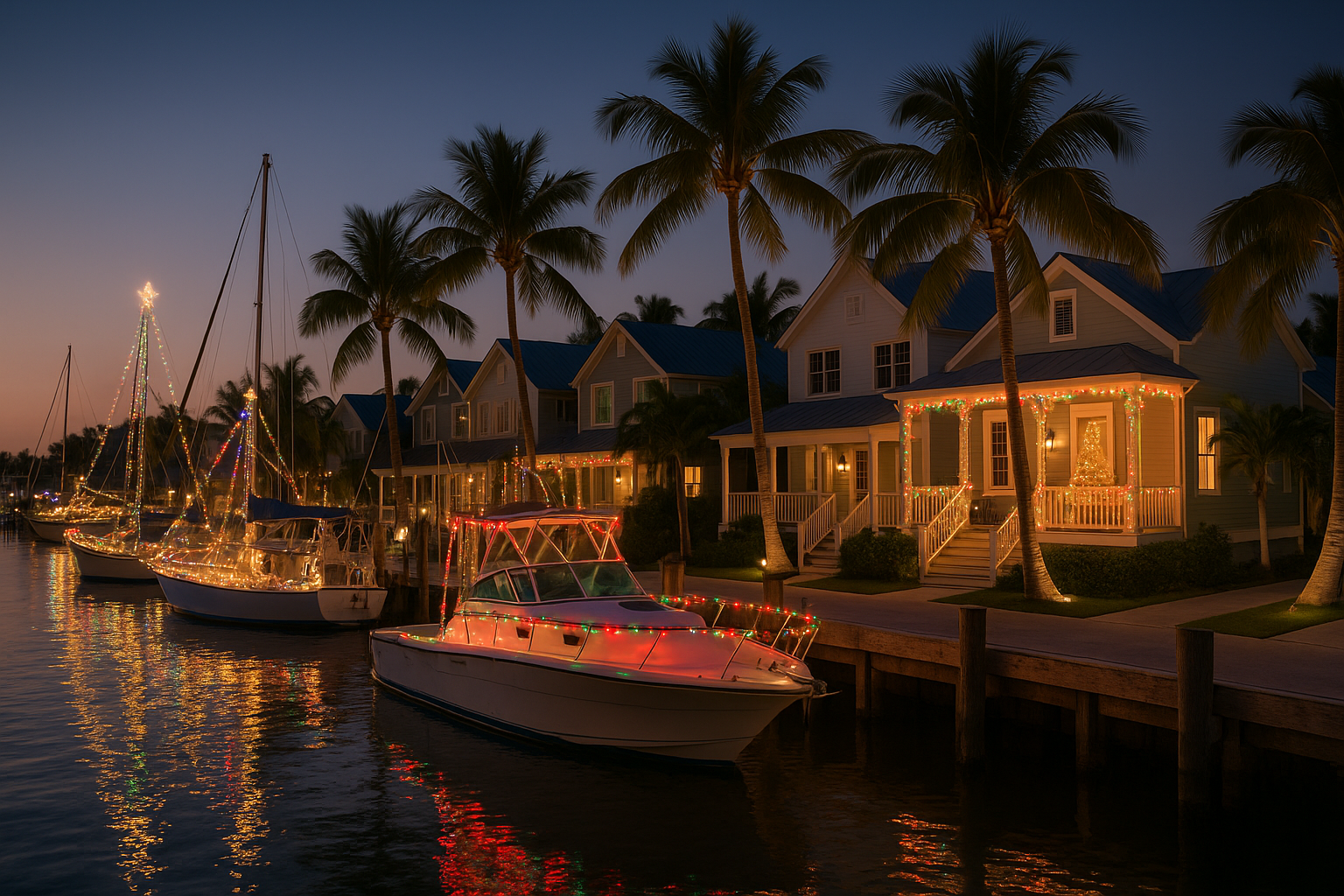
    Christmas in Key West shines brightest along Old Town’s lanes, where historic Conch houses glow with garlands and balconies. Proximity to the Key West Historic Seaport means you can walk to the lighted boat displays and the Harbor Walk of Lights. Buyers drawn to this area value character, front-porch living, and a true stroll-to-everything lifestyle in Key West, FL.

    • Pros: Unmatched walkability to holiday events and dining; iconic Key West neighborhood Christmas lights on historic homes; strong sense of place.
    • Tradeoffs: Limited parking and tighter streets during parades; some properties in lower elevations—verify flood zones and consider flood insurance.
    • Home tip: Older homes may need outdoor-rated GFCI outlets and corrosion-resistant hardware for holiday decor in salty air.

    Casa Marina, The Meadows, and the White Street Corridor: Quiet Elegance

    These residential pockets offer tree-lined streets, tidy yards for displays, and easy access to beaches and parks. If you love the look of tasteful, well-spaced lighting and a quieter pace during Christmas in Key West, these areas balance convenience with serenity.

    • Pros: Peaceful streets for evening strolls to enjoy Key West neighborhood Christmas lights; yards for family gatherings; a refined residential feel.
    • Tradeoffs: Fewer short-walk options to the busiest festivities than Old Town; still close enough to plan a quick bike ride or golf-cart hop to events.
    • Home tip: Consider wind-rated attachment points for outdoor lights; secure decor for occasional breezy nights common in Key West, FL.

    Truman Annex & Bahama Village: Community Meets Convenience

    Truman Annex offers manicured streets, proximity to attractions, and strong curb appeal that truly pops during Christmas in Key West. HOA guidelines can influence exterior decor—review rules before mounting rooftop displays. In nearby Bahama Village, community energy and colorful architecture make for a distinctive holiday atmosphere, with easy access to the heart of Old Town.

    • Pros: High walkability to parades and lighted waterfront scenes; strong visual appeal for both residents and prospective buyers.
    • Tradeoffs: HOA restrictions in parts of Truman Annex; higher foot traffic during peak holiday nights.
    • Home tip: If you plan bold displays, confirm HOA and historic-district guidelines early in the season.

    Midtown & New Town: Space, Parking, and Family-Friendly Streets

    For families who want room to spread out, garages or carports for storage, and easier parking for guests, Midtown and New Town shine during Christmas in Key West. Wider streets accommodate larger lawn displays and neighborhood block-style gatherings.

    • Pros: More off-street parking; larger lots for entertaining; convenient access to everyday amenities in Key West, FL.
    • Tradeoffs: Farther from Old Town’s biggest holiday spectacles; many residents drive or bike to the parades and harbor lights.
    • Home tip: If you love lighting displays, ask about available outdoor circuits, panel capacity, and GFCI placement before you buy.

    Holiday Events That Matter to Your Address

    Christmas in Key West fills the calendar. For buyers and homeowners, the question is: how do events affect life on your block?

    • Key West Holiday Parade: Expect road closures and packed sidewalks along primary routes. Old Town residents enjoy step-out-the-door access. Buyers who want quiet should check distance from the parade path and typical crowd levels.
    • Lighted Boat Parade at the Historic Seaport: Magical if you can walk. If you’ll drive in from Midtown or New Town, plan parking. Waterfront condos may offer front-row views but review HOA rules for entertaining and guest parking.
    • Harbor Walk of Lights: Nightly glow at the Seaport. Great for after-dinner strolls if you live nearby. Consider how evening foot traffic feels outside your door during Christmas in Key West.
    • Historic home tours and neighborhood light tours: Useful for understanding architectural styles, lot sizes, and how outdoor spaces function for gatherings.

    Pro tip for showings: Schedule around parades and boat events. In Old Town, daytimes before major events are easier for parking and inspections. In New Town, showings are more flexible, but plan extra drive time when the island celebrates.

    Seasonal Market Dynamics: What Buyers and Sellers Should Know

    Christmas in Key West overlaps with peak seasonal demand. Inventory can feel tight, especially for waterfront and historic properties. If you’re shopping during December, consider these strategies specific to Key West, FL:

    • Get fully underwritten pre-approval so you can act quickly when a fitting home appears.
    • Ask about off-market whispers: some owners test interest during the holidays without formally listing.
    • Verify transient and monthly rental rules if part of your plan, and confirm HOA policies for guest parking during holiday gatherings.
    • Align inspections and insurance quotes early; many vendors book up fast during Christmas in Key West.
    • For lower-lying homes, request elevation certificates and review flood-zone details through the City’s resources before you write an offer.

    Sellers: curb appeal matters even more now. Tasteful, energy-efficient LED displays, tidy landscaping, and inviting porches help buyers imagine their own Christmas in Key West. Keep decor neutral, avoid obstructing architectural features, and ensure walkways are well-lit for evening showings.

    Ownership Tips for a Tropical Holiday

    Island conditions shape how you decorate and host during Christmas in Key West. A few homeownership pointers for Key West, FL:

    • Salt air and fixtures: Choose stainless or coated hooks and clips; avoid adhesives that can fail in humidity.
    • Electrical safety: Use outdoor-rated cords, GFCI outlets, and LED strings to reduce load and heat on older panels.
    • Wind awareness: Secure inflatables and yard decor; use low-profile lighting on porches and railings if gusts pick up.
    • Historic homes: Check guidelines before attaching items to visible facades; use non-invasive mounts where possible.
    • Condos and HOAs: Many buildings in Key West, FL allow door wreaths and balcony lights with size and timing limits—confirm rules first.
    • Flood planning: Keep valuable decor in elevated storage, and protect extension connections above ground in areas prone to pooling.

    Buying Before the Holidays: Timing, Insurance, and Inspections

    With the right plan, you can close in Key West, FL before the big events of Christmas in Key West:

    • Timeline: A well-prepared buyer can target 30–45 days, but allow buffer during the holiday rush.
    • Vendors: Book inspectors, wind-mitigation pros, and insurance agents early; many locals take time off near parade weekends.
    • Insurance: Confirm wind and flood coverage options and deductibles. Ask about credits for shutters, roof straps, and elevation.
    • Showings: Build a route that avoids parade closures and boat parade evenings for smoother access.

    FAQ: Christmas in Key West for Homebuyers and Homeowners

    What are popular Christmas events in Key West for new residents?

    The Key West Holiday Parade, the Lighted Boat Parade at the Historic Seaport, and the Harbor Walk of Lights are the big three. If you live in or near Old Town, you’ll likely walk. From Midtown or New Town, plan parking and bike options.

    How does Christmas affect the Key West real estate market?

    Demand is strong as visitors and second-home shoppers arrive, and inventory can feel limited. Waterfront and historic homes see heightened interest. Preparation—pre-approval, fast scheduling, and local guidance—helps you compete during Christmas in Key West.

    Which neighborhoods are best for holiday decorations and lights?

    Old Town and the Historic Seaport area offer standout ambiance and walkability to displays, while The Meadows, Casa Marina, and the White Street Corridor deliver elegant, quieter nights. Midtown and New Town are great for larger yard displays and driveway gatherings in Key West, FL.

    Any tips for buying a home in Key West before the holiday season?

    Start with a clear budget and underwritten pre-approval. Ask for elevation certificates, review flood zones, and confirm HOA rules for decorations and guest parking. Line up inspectors and insurance early—vendors are busy during Christmas in Key West.

    How can families celebrate a tropical holiday at home?

    Think porch dinners, backyard movie nights, and beachy-themed decor that stands up to salt air. Choose LED lights, secure displays for breezy evenings, and plan walks to parades and waterfront shows to make the most of Christmas in Key West.

    Final Thoughts: Find Your Fit for Christmas in Key West

    Whether you picture a historic porch glowing just steps from the Harbor Walk of Lights or a New Town cul-de-sac with room for a grand display, align your address with how you want to live during Christmas in Key West—and the other eleven months. In Key West, FL, the holiday season spotlights the real advantages of each neighborhood: walkability, parking, storage, outdoor living, and elevation. With local insight, you can choose a home that makes every season, and especially Christmas in Key West, feel exactly right.

  • Key West Food and Real Estate: A 2026 Homebuyer’s Guide to Neighborhood Fit in Key West, FL

    Key West Food and Real Estate: A 2026 Homebuyer’s Guide to Neighborhood Fit in Key West, FL

    Key West Food and Real Estate: A Homebuyer’s Guide to Neighborhood Fit in Key West, FL

    In Key West, FL, the way you eat shapes the way you live. From walkable clusters of conch fritters and key lime pie to sunset seafood on the water, the city’s dining culture silently guides where buyers plant roots. If you’re a homeowner or shopper deciding between Old Town charm and New Town convenience, understanding how Key West Food aligns with neighborhood vibe, walkability, and daily tradeoffs can help you make a smarter move—and love your routine after closing.

    Why Key West Food Matters for Homebuyers

    Key West Food isn’t just a menu; it’s a map of daily life. Proximity to restaurants influences whether you’ll stroll to dinner, bike to brunch, or rely on a car. It affects parking needs, HOA considerations (like grilling rules), insurance costs tied to flood zones near low-lying eateries, and even resale appeal. For many buyers in Key West, FL, the right address is the one that puts favorite plates and calm nights into the same lifestyle picture.

    Mapping Key West Food to Neighborhoods

    Old Town and Duval Street: Walk-to-Everything Eating

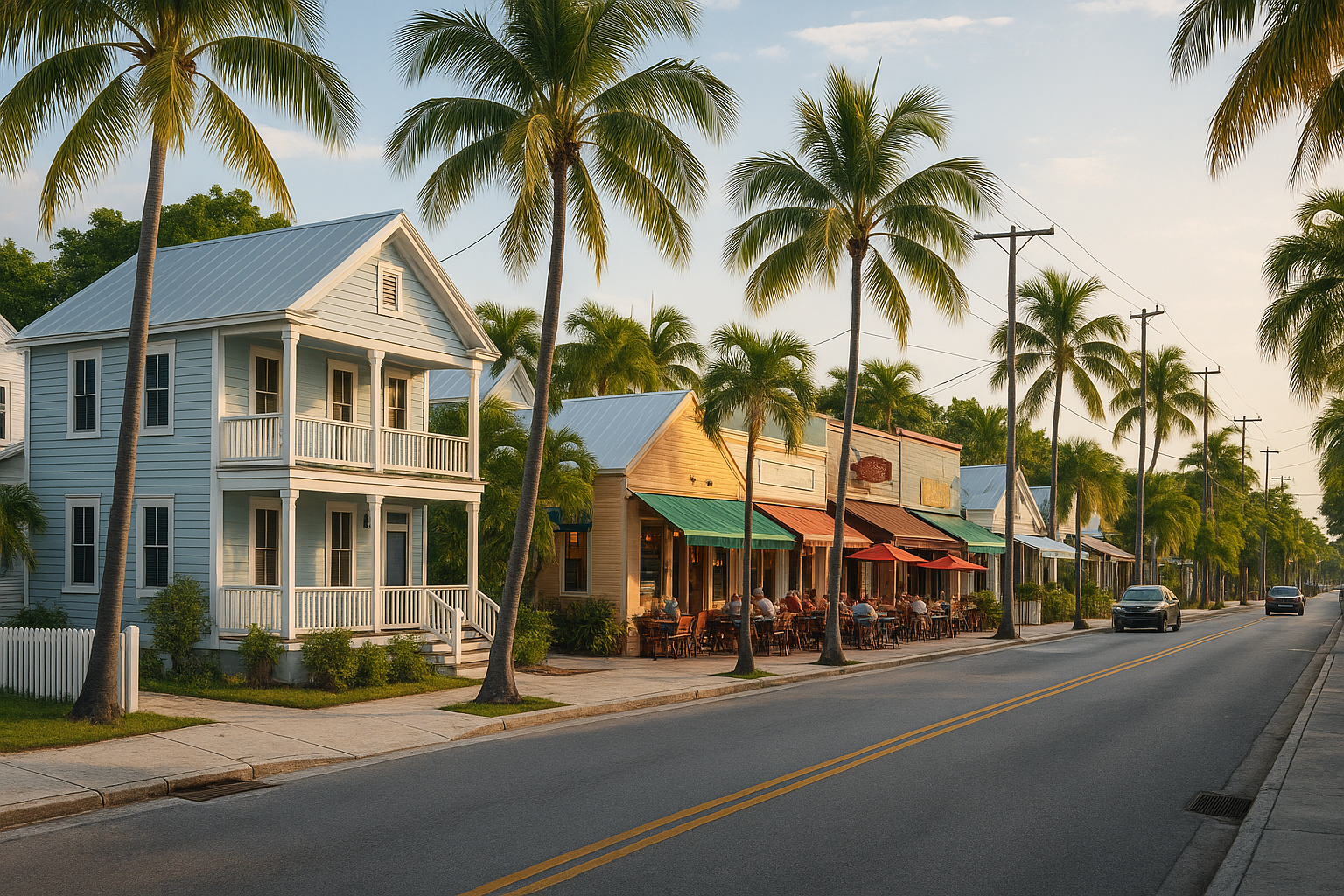
    Old Town is the epicenter of walkable Key West Food, with dense clusters of cafes, dessert spots, and late-night bites. Living here means leaving the car at home and embracing a pedestrian routine. The tradeoff is noise from late-night crowds and tighter parking. Housing ranges from historic Conch cottages to condos and renovated homes. Buyers should weigh charm and walkability against budget, limited off-street parking, and potential short-term rental traffic on nearby streets.

    Historic Seaport: Waterfront Dining and Dockside Energy

    The Historic Seaport brings together marina views and seafood-centered Key West Food, all within a compact, strollable grid. It’s ideal if you want to bike to dinner on the boardwalk and watch boats glide in at sunset. Expect premium pricing and occasional event buzz. Consider flood-zone implications along the waterfront and review any condo association rules if you’re eyeing a low-maintenance unit near the marinas.

    Bahama Village: Culture, Community, and Comfort Food

    Bahama Village offers a community-forward setting and easy access to soulful Key West Food. Streets here lead to a mix of neighborhood eateries and public spaces, attractive to buyers who value local culture and a slower pace. Homes include colorful cottages and small single-family properties. Street parking can be competitive on popular dining nights, so private parking or a convenient bike setup adds daily comfort.

    Casa Marina and The Meadows: Quiet Blocks, Easy Dining Access

    Casa Marina and The Meadows sit near beaches and boutique spots while staying calmer than the busiest corridors. You’ll still enjoy nearby Key West Food but with more residential breathing room. Many homes have yards and off-street parking, a win for owners who entertain or prefer grilling at home. Insurance and elevation vary block by block; check property-specific data if you want to live close to cafes without taking on unnecessary flood risk.

    Midtown: Central Balance and Bikeable Bites

    Midtown offers a balanced lifestyle: quieter than tourist-centric streets, yet close enough to bike to neighborhood bakeries, coffee, and casual dining. Buyers seeking space for storage, kayaks, or pets often find value here. The food scene is less dense than Old Town, but Midtown keeps you a quick ride from multiple clusters, making it a practical base for enjoying Key West Food without late-night noise at your doorstep.

    New Town: Everyday Convenience and Easy Parking

    New Town is built for convenience—with larger grocery stores, casual dining corridors, and ample parking. If your version of Key West Food includes easy weeknight takeout and quick errands, this side of Key West, FL, may be a fit. Housing tends toward newer single-family homes and some townhomes. It’s not as walkable to historic dining districts, but the tradeoff is space, parking, and simpler logistics for families or full-time residents.

    Truman Annex: Gated Calm Near the Action

    Truman Annex blends manicured streets and a gated feel with fast access to Old Town restaurants. It’s appealing for buyers who want polished landscaping and proximity to dining without living directly on the loudest blocks. Review HOA rules, including grilling and short-term rental policies, to ensure they match your lifestyle. For many, the convenience of strolling to dinner while returning to a peaceful enclave is the winning formula.

    Walkability, Parking, and Daily Tradeoffs

    Walkability is a top driver for food lovers in Key West, FL. In walkable cores, you’ll save time and enjoy spontaneity—just remember that limited parking and evening foot traffic are part of the deal. If you entertain at home, prioritize off-street parking or wider lots. If late-night noise is a concern, target a block or two off the busiest corridors, where you can still walk to Key West Food without a party under your bedroom window. In less dense areas, a reliable bike or scooter setup bridges the gap between peaceful streets and your favorite dining spots.

    Flood Zones and Insurance Near Popular Eateries

    Some of the most in-demand dining areas sit in low-lying parts of Key West, FL. Before you fall for a location-based lifestyle, verify elevation, flood zone, and insurance costs for the specific property. Waterfront-adjacent homes and condos near docks or marinas may have higher premiums. Shop insurers early, consider mitigation features (elevated mechanicals, storm shutters), and treat flood readiness as part of the true cost of living close to Key West Food.

    Condo vs. Single-Family for Food Lovers

    Condos keep you close to dining with minimal maintenance, but HOAs may limit outdoor cooking or late-night gatherings. Review grill policies, quiet hours, and any restrictions related to odors or balcony use if your lifestyle includes frequent al fresco meals. Single-family homes give more freedom for outdoor kitchens, herb gardens, and parking for guests heading to dinner with you. If you plan to test recipes and host often, a single-family layout may align better with your Key West Food lifestyle.

    How Key West Food Influences Value and Resale

    Proximity to beloved restaurants can enhance desirability, shorten days on market, and support strong resale—especially in Old Town and waterfront-adjacent pockets. The same locations can carry premiums and higher carrying costs. When evaluating value, look beyond distance to include noise levels, parking, flood risk, and seasonal crowd patterns. Buyers who balance these factors often enjoy the best of Key West Food while preserving long-term satisfaction and market resilience.

    Investor Angle: Festivals, Seasonality, and Rental Potential

    Food-related events and peak dining seasons drive short-term rental demand near popular corridors. If your strategy includes rentals, confirm local rules and HOA policies, then analyze how proximity to dining impacts occupancy versus owner-usage comfort. A property one block off a lively street can outperform by offering access to Key West Food with better sleep quality for guests and owners alike.

    Buyer Tips: Matching Your Plate to Your Place

    • Rank your top five go-to spots and map walking or biking times from each target property.
    • Visit at night and on weekends to check noise, parking, and crowd flow.
    • Ask about HOA rules on grilling and outdoor dining before you fall in love with a balcony.
    • Pull flood and elevation data early; compare insurance quotes across two or three addresses.
    • If you entertain often, prioritize off-street parking and outdoor space.
    • Test your commute to grocery stores in New Town versus your favorite Old Town eateries.
    • Consider a bike/scooter solution if you want quiet streets with fast access to Key West Food.

    FAQ: Key West Food and Real Estate in Key West, FL

    What neighborhoods offer the best access to fresh seafood restaurants?

    Old Town and the Historic Seaport put you closest to dockside seafood and sunset dining. Bahama Village adds cultural flavor within walking distance of local favorites. Each of these areas provides strong access to Key West Food with different tradeoffs in noise, parking, and price.

    How does the local food culture influence condo vs. single-family decisions?

    If you want low maintenance near restaurants, condos around Old Town or the Seaport are compelling. Review HOA rules on grilling and quiet hours. If outdoor cooking and hosting are priorities, a single-family home in Midtown, The Meadows, or Casa Marina offers more flexibility while staying close to Key West Food.

    Are there flood-zone considerations for homes near popular eateries?

    Yes. Low-lying streets near waterfront dining may carry higher flood risk and insurance premiums. Always verify elevation and mitigation features for the exact property. Living close to Key West Food can be rewarding—just make insurance part of your budgeting and due diligence.

    What lifestyle benefits come with buying in New Town versus Old Town for food enthusiasts?

    Old Town delivers dense, walkable dining and nightlife; great for spontaneous evenings. New Town provides easier parking, bigger stores for weekly shopping, and space for entertaining at home. Both connect you to Key West Food, but the daily rhythm differs: stroll-and-sip in Old Town versus convenient, car-friendly routines in New Town.

    Does proximity to restaurants impact property values in Key West, FL?

    Yes. Properties near beloved dining clusters often see stronger demand and rental interest. That premium comes with tradeoffs—noise, limited parking, and, in some spots, higher insurance. Buyers who balance location perks with practical costs tend to enjoy the best returns tied to Key West Food access.

    How can residents manage parking near busy dining areas?

    Consider homes with off-street parking, explore residential permits, and keep bikes or scooters for quick trips. Living one or two blocks off the busiest corridors can maintain walkability to Key West Food while easing parking stress.