Tag: Key West FL

  • Springtime in the Florida Keys and What That Means for Sellers in Key West, FL (2026)

    Springtime in the Florida Keys and What That Means for Sellers in Key West, FL (2026)

    Springtime in the Florida Keys and What That Means for Sellers

    Yes—springtime in the florida keys and what that means for sellers are clear: spring amplifies buyer interest in Key West, FL and creates a prime window to sell quickly and potentially at a higher price. Sellers who price competitively, stage outdoor living, and prepare insurance and rental documentation can convert increased spring traffic into stronger offers and faster closings in 2026.

    Why spring matters in Key West (Springtime in the Florida Keys and what that means for sellers)

    The Florida Keys follow a seasonal rhythm: winter draws snowbirds and long-stay visitors, while spring widens the buyer pool to families, relocating professionals, and investors seeking short-term rental potential. In 2026, stronger travel patterns and continued interest in second homes make spring months especially active in Key West.

    • Tourism and buyer traffic: Tourist season and spring break bring more local showings and open-house attendance in Key West.
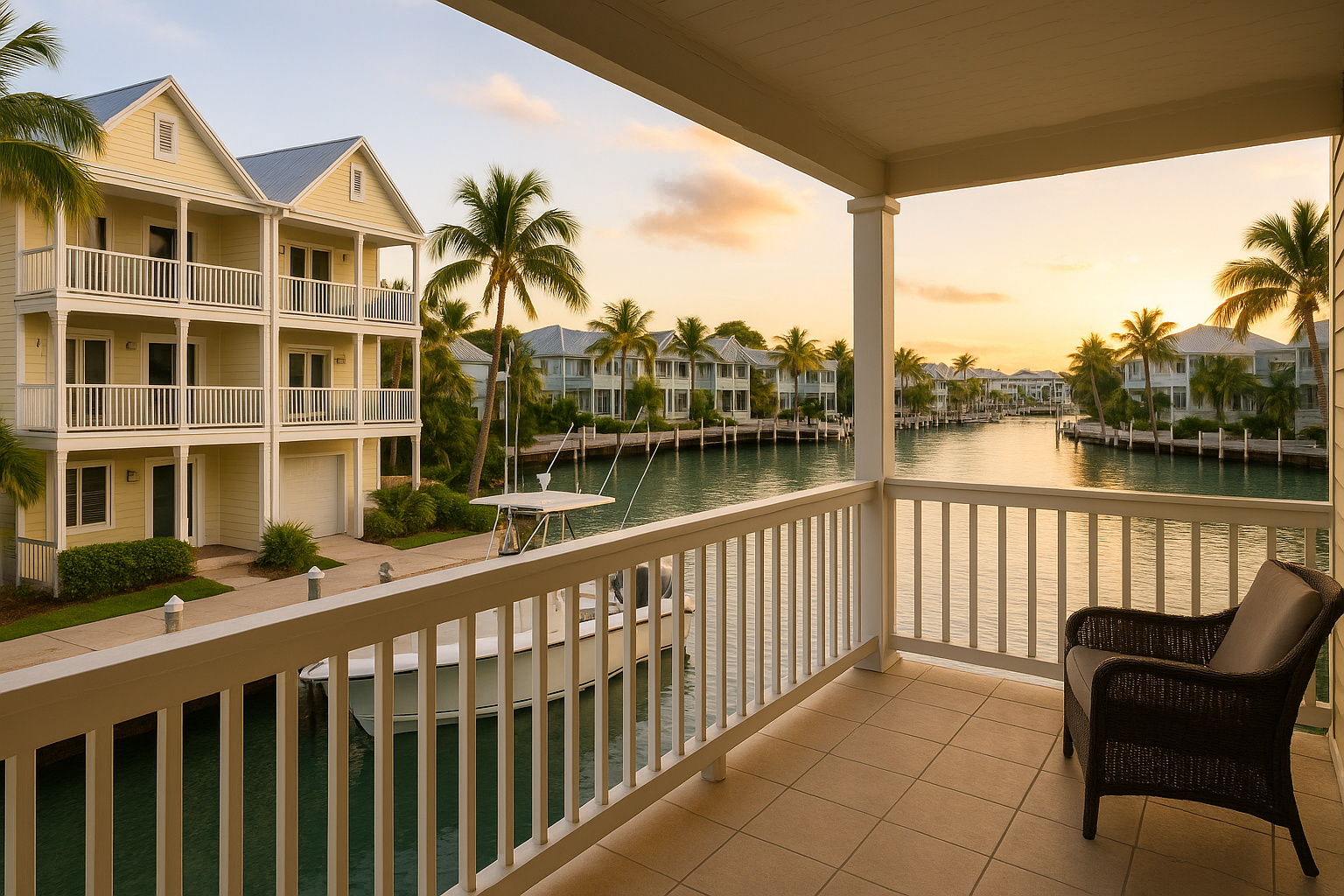
    • Weather and curb appeal: Warm, dry conditions showcase outdoor spaces, landscaping, and waterfront features—key selling points for properties in Key West.
    • Inventory dynamics: Many sellers delay until after winter or wait for autumn, so spring can produce moderate inventory with concentrated buyer demand in Key West.

    What market signals sellers in Key West should watch in 2026 (Springtime in the Florida Keys and what that means for sellers)

    Before listing in Key West, evaluate indicators that reflect springtime in the florida keys and what that means for sellers and pricing power.

    • Days on market (DOM): Shorter DOM in spring signals strong demand; rising DOM may indicate price sensitivity or oversupply.
    • Comparable sales: Recent closings in Key West give the best guidance for realistic pricing, especially for waterfront and historic properties.
    • Tourism metrics: Flight and ferry capacity, hotel occupancy, and local event schedules can increase buyer visits and urgency.
    • Mortgage rates and lending environment: Financing availability affects the buyer pool—cash buyers remain common for second homes, but conventional activity shifts with rates.

    Pricing strategy for spring listings in Key West

    Pricing is the single most important decision a seller makes. In Key West’s spring market, balance competitive pricing to attract multiple offers with realistic expectations based on condition and location. Springtime in the Florida Keys and what that means for sellers plays a critical role in real estate decisions.

    • Market-based listing: Base your price on recent Key West sales and active listings, adjusted for waterfront access, dock size, flood protections, and permitted short-term rental status.
    • Staged pricing for attention: Consider psychological pricing (e.g., $799,000) to appear in more searches and encourage showings during high buyer traffic in Key West.
    • Flex pricing for negotiation: If you expect competing offers, set an asking price that invites offers while retaining room to negotiate terms like closing date and contingencies.

    Staging and curb appeal—Key West seasonal considerations

    Buyers in Key West focus on outdoor living, landscaping, and hurricane preparedness. Spring weather highlights these features, so staging should emphasize both appearance and resilience. For access and lifestyle context, 7 mile bridge can help buyers evaluate how daily use affects long-term value. Springtime in the Florida Keys and what that means for sellers plays a critical role in real estate decisions.

    • Enhance outdoor spaces: Clean and furnish patios, decks, and docks to show usable outdoor square footage. Add shade and tropical plants suited to Key West’s climate.
    • Address maintenance issues: Ensure roof, dock, seawall, and HVAC maintenance are current—buyers in 2026 are mindful of resilience and insurance costs in Key West.
    • Show flood and hurricane readiness: Highlight impact windows, elevated utilities, and secure shutters to reassure buyers and reduce perceived risk.

    Marketing tactics that work in Key West’s spring market

    Spring buyers respond to lifestyle imagery and the option to visit in person. Tailor marketing to those preferences for Key West listings. For broader pricing context, compare this with Buying and Selling in New Town. Springtime in the Florida Keys and what that means for sellers plays a critical role in real estate decisions.

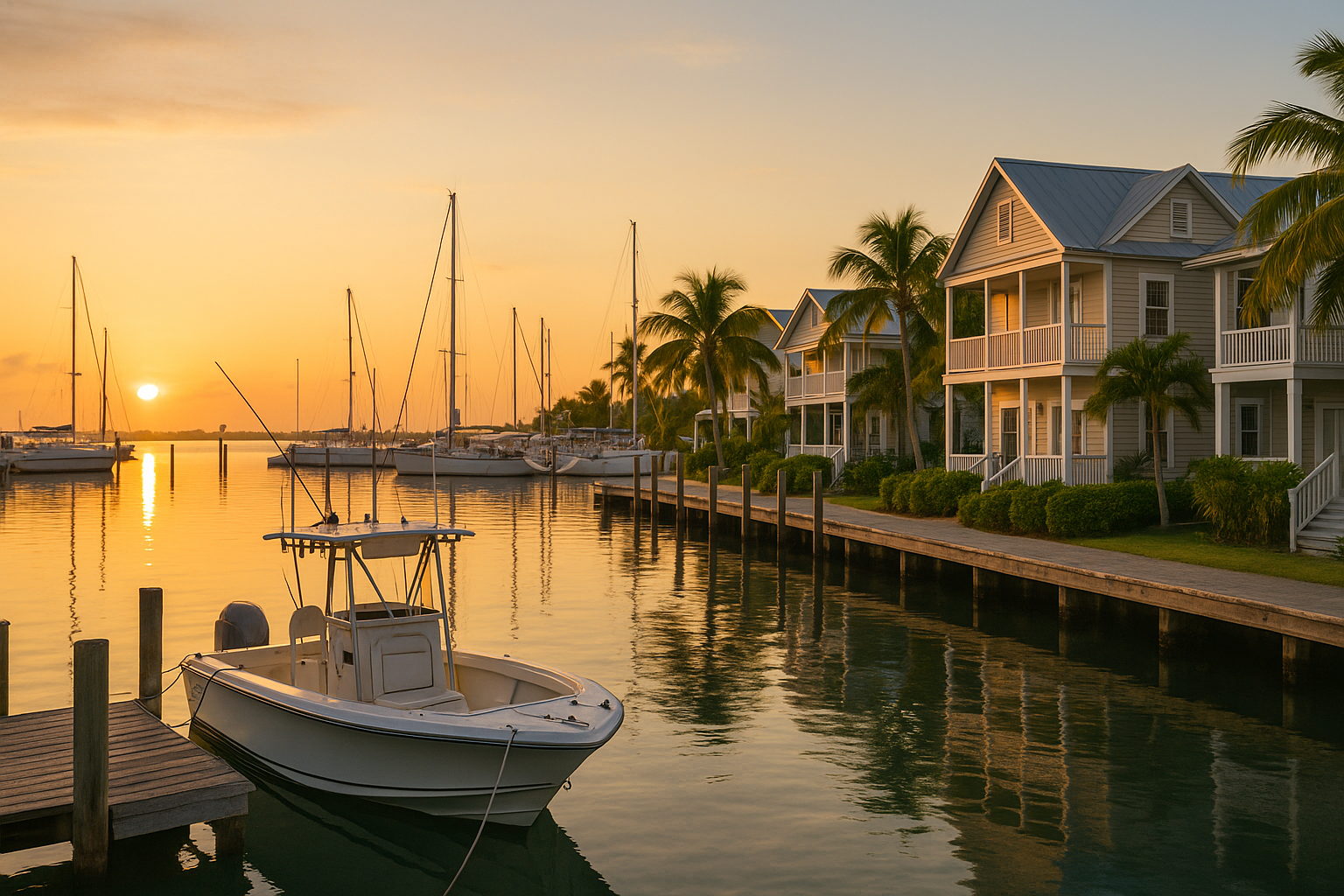
    • High-quality photography and video: Use sunrise or golden-hour shots of waterfronts, boats, and outdoor living to capture the Key West vibe.
    • Virtual and in-person showings: Provide high-quality virtual tours for out-of-town buyers and flexible in-person schedules to catch seasonal visitors in Key West.
    • Targeted digital ads: Promote listings to buyer sources that commonly visit Key West, and focus ad creative on outdoor and waterfront amenities.
    • Align with local events: Schedule open houses or private showings around Key West festivals, regattas, and peak tourism weekends to maximize buyer traffic.

    Timing the sale: when to list in spring in Key West

    Timing depends on objectives. To maximize price and exposure in Key West, list early in spring when buyer attention is high and inventory can be limited. For a quick sale, price for speed and be ready for competitive showings. Springtime in the Florida Keys and what that means for sellers plays a critical role in real estate decisions.

    • Early spring (March–April): Strong buyer demand and attractive weather—ideal for sellers seeking higher competition among buyers in Key West.
    • Late spring (May): Continued interest, but watch for rising inventory as more sellers list before summer in Key West.

    Preparing for seasonal pricing and negotiation in Key West

    Even during strong spring demand, buyers remain cautious. Expect negotiation on inspections, closing timelines, and contingencies related to insurance and weather windows in Key West transactions. Springtime in the Florida Keys and what that means for sellers plays a critical role in real estate decisions.

    • Pre-listing inspection: Reduces surprises and speeds closings.
    • Flexible closing dates: Options that match buyer travel schedules can be a differentiator for out-of-town purchasers to Key West.
    • Understand buyer motivations: Some buyers want immediate occupancy; others value rental revenue. Tailor concessions and terms to the likely buyer segment for your Key West property.

    Special considerations for short-term rental properties in Key West

    Short-term rentals are a major component of Key West’s market. STR sellers should highlight revenue potential while addressing regulatory and operational realities. For added context, review National Association of Realtors housing insights. Springtime in the Florida Keys and what that means for sellers plays a critical role in real estate decisions.

    • Documented rental history: Provide occupancy and income statements to attract investors to Key West properties.
    • Compliance and permits: Ensure all local Key West permits and STR requirements are current—buyers will request proof of compliance in 2026.
    • Marketing your rental potential: Showcase booking platforms, optimized listing copy, and guest amenities to illustrate upside for buyers in Key West.

    How to choose the right agent for a spring sale in Key West

    Pick an agent with Key West expertise and a strong seasonal-market track record. The right agent combines neighborhood knowledge with marketing savvy and negotiating skill. Springtime in the Florida Keys and what that means for sellers plays a critical role in real estate decisions.

    • Local sales experience: Seek agents familiar with Key West waterfront specifics and insurance considerations.
    • Marketing capabilities: Agents who invest in photography, targeted advertising, and international outreach often generate higher exposure for Key West listings.
    • Responsive communication: Spring moves fast—choose an agent who coordinates showings and responds quickly to buyer inquiries in Key West.

    Risk management: weather, insurance, and contingencies in Key West

    Sellers must address weather-related risks and buyer concerns about insurance and flooding to reduce transaction friction in Key West. Springtime in the Florida Keys and what that means for sellers plays a critical role in real estate decisions.

    • Insurance readiness: Have current insurance quotes and documentation available; buyers will ask about premiums and coverage options for 2026 in Key West.
    • Flood zone disclosure: Provide clear information on flood zones and any recent elevation or mitigation work.
    • Contingency planning: Build reasonable timelines into contracts for inspections, permitting, and insurance procurement.

    Action checklist for sellers in Key West this spring

    1. Review comparable sales and set a market-driven price for Key West.
    2. Complete key maintenance and obtain a pre-listing inspection.
    3. Stage outdoor and indoor spaces for spring showings in Key West.
    4. Assemble documentation for insurance, permits, and rental history if applicable.
    5. Choose an agent experienced in Key West seasonal markets.
    6. Plan marketing to leverage tourism and local Key West events.

    Bottom line

    Springtime in the Florida Keys and what that means for sellers boils down to this: the season increases buyer interest and gives sellers in Key West, FL a real chance to get strong results in 2026 if they prepare. Price competitively, stage outdoor living, address maintenance and insurance questions up front, and use targeted marketing to capitalize on springtime buyer interest in Key West. That makes Summer in the Keys useful context for comparing pricing, demand, and buyer behavior in Key West.

    Frequently Asked Questions

    Q: Is spring the best time to sell in Key West?

    A: Often yes—spring brings increased buyer traffic and favorable weather in Key West, but the best time depends on your goals and property readiness.

    Q: How should I price a waterfront property for spring?

    A: Base price on recent Key West waterfront comparables, adjust for dock and seawall condition, and consider psychological pricing to increase visibility.

    Q: Will spring tourism make buyers reckless about offers?

    A: No—tourism increases showings, but most buyers in Key West remain cautious and consider inspections, insurance, and financing.

    Q: What documents should I have ready before listing?

    A: Have insurance quotes, permits, rental income statements, inspection reports, and maintenance records ready for Key West buyers.

    Q: How do short-term rental regulations affect spring sales?

    A: Local STR rules influence buyer demand and pricing; ensure Key West compliance and show lawful STR history to attract investors.

    Q: Can staging outdoor spaces really impact sale price?

    A: Yes—usable outdoor living and waterfront access in Key West are major value drivers; professional staging can improve buyer perception and justify higher offers.

    Next steps

    If you plan to sell in Key West this spring, start with a market analysis and a conversation with a local Key West agent who understands seasonal demand and the unique considerations of the Florida Keys. Thoughtful preparation now can position your property to take full advantage of springtime buyer interest in 2026.

  • Best Fishing in Key West for First-Time Homebuyers: Neighborhood Access, Storage, and Smart Budget Moves

    Best Fishing in Key West for First-Time Homebuyers: Neighborhood Access, Storage, and Smart Budget Moves

    If you’re drawn to the water and ready to plant roots in Key West, FL, the best fishing in key west for first-time homebuyers starts with how you live day to day—not just where you cast a line on weekends. The right property choice can shorten your pre-dawn launch, keep gear secure and organized, reduce insurance surprises, and still place you near the island amenities that make daily life easy.

    Why “best fishing in key west for first-time homebuyers” starts with your daily routine

    In Key West, FL, fishing access is hyper-local. A few blocks can mean the difference between walking to the Historic Seaport for a charter, biking to the pier for sunset tarpon, or trailering to the public ramp. When you evaluate listings, picture your weekday mornings: where you’ll park, how you’ll store rods and a cooler, and how quickly you can reach the marina. That’s the true measure of the best fishing in key west for first-time homebuyers.

    Neighborhood-by-neighborhood access to the water

    Old Town and the Historic Seaport

    Old Town is the most walkable base for anglers who love charters, harbor access, and living steps from bait shops and fish cleaning stations. Many boats depart from the Key West Historic Seaport, and living nearby means you can stroll or bike to the dock instead of battling for early parking. Expect higher prices and smaller lots; off-street parking and storage are tight. If your vision of the best fishing in key west for first-time homebuyers includes morning walks to the marina and evenings along the boardwalk, Old Town delivers—just be realistic about space for trailers and coolers. Look for properties with sheds, side-yard access, or secure ground-floor storage.

    Midtown and White Street Pier

    Midtown provides a balance of residential calm and practical space. You’re close to White Street Pier (Edward B. Knight Pier) and Higgs Beach for shore fishing and light-tackle action, plus bikeable distance to Old Town. Many homes here offer driveways, carports, or small yards—useful for kayaks, paddleboards, and rod racks. For the best fishing in key west for first-time homebuyers who want a quieter street, more storage, and quick pier access, Midtown is a smart fit. Consider impact-rated sheds, fenced side yards, and hose bibs placed for easy gear rinse-down.

    New Town and Garrison Bight Access

    New Town is practical if you trailer a skiff or plan frequent ramp launches. You’ll find more off-street parking and garages than in Old Town, and you’re a short drive or bike ride to the City Marina at Garrison Bight. If you prioritize the best fishing in key west for first-time homebuyers with room to store tackle, coolers, and a cartop kayak, New Town may offer the best value tradeoff: more space, easier parking, and manageable commute times to marinas and grocery stores.

    Budget-smart ways to live near the water

    Condos and townhomes

    Condo living can put you close to the shoreline and bike paths at a lower entry price than many single-family homes. The tradeoff: association rules. Confirm whether your HOA allows on-site storage for rods, coolers, or kayaks, and whether balconies can be used for gear. Ask about any shared or limited dock access and how slips are assigned or waitlisted. For many buyers, the best fishing in key west for first-time homebuyers means a condo with secure storage cages, ground-floor lockers, or quick bike access to the seaport—without paying waterfront premiums.

    Single-family homes

    Single-family properties in Key West, FL often give you the most control over storage and parking. Look for: driveways wide enough for a small trailer, side-yard gates, shaded areas for gear, outdoor showers, and hose hookups for cleaning. If you find modest homes several blocks from a marina, you can capture the lifestyle benefits without the top-tier price of immediate waterfront. This can be the best fishing in key west for first-time homebuyers path: buy near, not on, the water.

    Flood zones, insurance, and resilient features

    Many homes in Key West, FL fall within AE or VE flood zones. Understanding elevation, flood openings, and prior mitigation work is essential—especially if you’re eyeing properties close to seaports, piers, or the shoreline. Ask for the elevation certificate, verify the flood zone, and get an insurance quote early in your offer process. Look for:

    • Impact windows and doors
    • Elevated mechanicals (A/C compressors, electrical panels)
    • Roof shape and age suitable for wind credits
    • Properly vented enclosures below base flood elevation

    These details influence monthly costs and long-term resilience. The best fishing in key west for first-time homebuyers isn’t just about proximity to water—it’s about owning a home built to live with it.

    Storage, parking, and gear logistics

    Before you fall in love with a listing, map where your gear will live. Rod tubes, cooler stacks, waders, nets, and tackle all need dry, organized niches. Key checks:

    • Is there a covered or lockable outdoor storage area?
    • Can you add a permitted shed with hurricane tie-downs?
    • Is there off-street parking for a small trailer, and are there local restrictions on street parking for trailers?
    • Are there hose bibs and a convenient place to set up a fish-cleaning table?

    Dialing in these basics turns a good house into a great launchpad—and keeps the best fishing in key west for first-time homebuyers practical, not just aspirational.

    Shore, flats, or offshore? Match your fishing style to your home search

    • Shore and Pier: If you love casting from White Street Pier or along park shorelines like Fort Zachary Taylor, prioritize walkability or a quick bike route. Ground-floor storage is a huge plus for carts and tackle.
    • Flats and Backcountry Access: If a poling skiff or kayak is your thing, look for driveways and side-yard access for carts and trailers, plus easy routes to the public ramp.
    • Offshore and Wrecks: If you’ll rely on charters, Old Town proximity to the Historic Seaport maximizes last-minute openings and after-work trips.

    First-time buyer game plan

    1. Define your fishing pattern: shore, flats, or charters—then choose a neighborhood map that supports it.
    2. Prioritize storage and parking in showings. If it won’t store your rods and cooler, it won’t support your lifestyle.
    3. Get flood and insurance answers early: elevation certificate, mitigation features, and quotes.
    4. Walk or bike the route to your preferred pier, marina, or shop at the same time of day you plan to fish.
    5. Ask about HOA or city rules on boat and trailer parking.
    6. Balance nightlife and crowds near the Historic Seaport with early-morning marina activity; choose streets that fit your sleep schedule.

    With this plan, you’ll zero in on the best fishing in key west for first-time homebuyers while protecting budget, comfort, and daily convenience.

    FAQ: Best fishing in Key West for first-time homebuyers

    What neighborhoods in Key West, FL offer the most practical fishing access?

    Old Town places you closest to the Historic Seaport and charter departures. Midtown offers balanced access to White Street Pier and room for gear. New Town adds driveways and garages that make trailering and storage easier while staying near Garrison Bight access points.

    How do flood zones impact fishing-focused property choices?

    Closer-to-water locations can bring higher insurance and stricter building requirements. Ask for elevation certificates, review mitigation features, and consult your insurer before offering. The right blend of elevation, wind-rated features, and storage will keep your monthly costs aligned with your budget.

    What home types best suit anglers on a first-time buyer budget?

    Condos or smaller single-family homes several blocks from the shoreline can deliver quick access without premium pricing. Look for buildings with secure storage or homes with side yards and sheds. The key is convenience to marinas or piers—not necessarily waterfront frontage.

    Are there beginner-friendly charters near residential areas?

    Yes. Many beginner-friendly charters operate out of the Key West Historic Seaport in Old Town. Living within a quick walk or bike ride makes spontaneous trips easier and reduces the need for parking.

    How should I evaluate marina proximity when house hunting?

    Time your route to the ramp, pier, or seaport at the hour you’ll usually go. Check parking patterns, bike lanes, and whether you can stage gear without blocking living areas. A five-minute bike ride often beats a fifteen-minute drive with parking stress.

    What should I know about boat and gear storage rules?

    In Key West, FL, association rules and city ordinances can limit boat or trailer parking and visible outdoor storage. Verify HOA policies, ask the listing agent about recent enforcement, and plan permitted storage solutions such as impact-rated sheds and lockable racks.

    Will living close to marinas affect daily life?

    Yes. Expect early morning activity and occasional noise from fish cleaning and deliveries near the Historic Seaport. Many buyers love the energy; others prefer a few blocks’ buffer for quieter evenings.

    When your search centers on the best fishing in key west for first-time homebuyers, align your neighborhood, storage plan, and insurance strategy. That’s how you enjoy dawn launches, sunset bites, and a home that works as hard as you do—every day in Key West, FL.

  • Test Blog from HybridSEO Bot: A Local Guide to Key West, FL Real Estate (7 insights)

    Test Blog from HybridSEO Bot: A Local Guide to Key West, FL Real Estate (7 insights)

    Test Blog from HybridSEO Bot: A Local Guide to Key West, FL Real Estate

    This test blog from hybridseo bot is designed as a practical, local-first guide to living and buying in Key West, FL. If you’re weighing Key West Old Town vs New Town, navigating flood zones in Key West real estate, or debating condo life versus a single-family home, the goal here is simple: give you market-aware insight that translates into day-to-day comfort, value, and fit. Throughout this test blog from hybridseo bot, you’ll find specific guidance tied to neighborhood experience, walkability, parking, and homeownership tradeoffs in Key West, FL.

    Old Town vs New Town: Charm, Convenience, and Daily Living

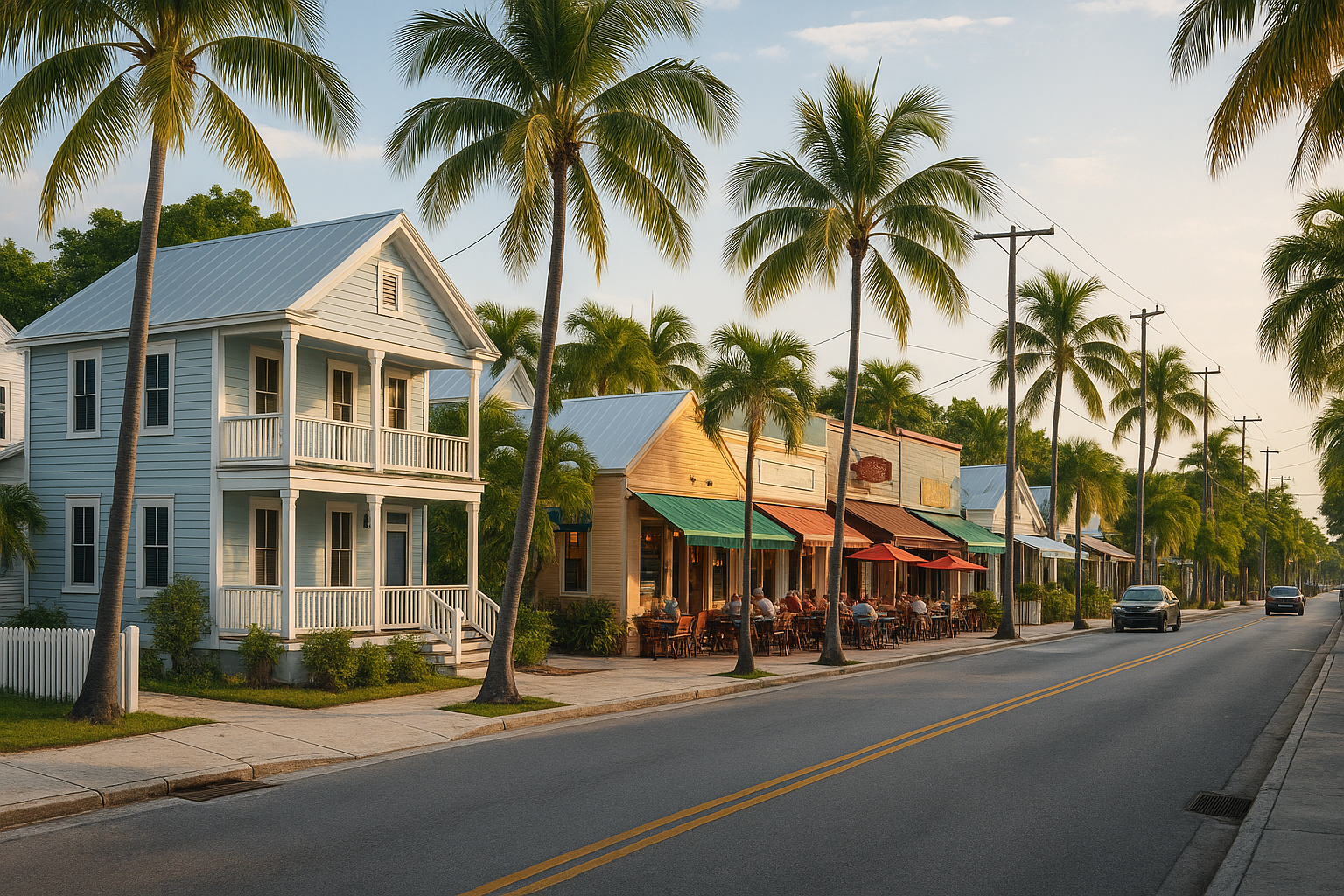
    Buyers often start with the classic choice: Key West Old Town vs New Town. Old Town delivers walkable blocks, historic Conch homes, and quick access to restaurants, marinas, and cultural spots. Expect narrow lanes, lush yards, porches, and a friendly street life. The tradeoff is practical: smaller lots, limited parking, and homes that may require careful maintenance planning due to age and materials.

    New Town leans modern. You’ll see more concrete block construction, wider roads, and a higher likelihood of driveways or garages. Daily errands can be efficient, and some blocks offer larger lots and newer systems. The compromise is lifestyle texture—fewer historic streetscapes—but for many, the convenience and space outweigh that. In this test blog from hybridseo bot, the consistent advice is to match the micro-location to your daily habits: do you want to walk to dinner in Old Town or prefer quick parking and storage in New Town?

    Midtown and Micro-Neighborhoods Worth a Look

    Midtown can be a balanced option within Key West, FL. Many buyers appreciate being bike-distance to Old Town and beaches, while still enjoying more off-street parking and relative quiet. Nearby areas like the Meadows, Casa Marina, and the Historic Seaport edges of Old Town each offer a distinct feel—some quieter, some closer to nightlife and water access. When comparing blocks, notice how shade, street width, and proximity to commercial corridors shape noise, parking availability, and breezes in the late afternoon.

    Flood Zones and Insurance: What Smart Buyers Check Early

    Flood zones in Key West real estate are a central part of due diligence. Many homes fall in AE zones, ocean-exposed pockets can be VE, and there are limited X zones scattered on higher ground. Your insurance picture will hinge on elevation, construction type, flood openings, and the home’s specific location. Ask for the elevation certificate early, review the seller’s insurance declarations when available, and budget for both wind and flood policies. This test blog from hybridseo bot encourages buyers to align property selection with risk tolerance: a renovated, elevated home in the right zone may justify a premium when you factor total cost of ownership.

    Condo vs Single-Family: HOA Perks, Tradeoffs, and Rules

    For many, condo living in Key West, FL offers a low-maintenance path to island living in Key West FL. HOA fees often cover exterior maintenance, common-area insurance, landscaping, pools, and in some communities, on-site management—valuable if you’re part-time. The tradeoffs include monthly dues, rule compliance (pets, renovations, rentals), and the possibility of special assessments. A Key West condo HOA guide checklist should include: reserves, recent assessments, insurance deductibles, wind mitigation reports, flood policies for the master association, and rental restrictions. This test blog from hybridseo bot emphasizes that clarity on HOA documents is essential before you fall in love with the view.

    Walkability, Bikes, and Parking: How the Island Moves

    Walkable neighborhoods Key West buyers seek are clustered in Old Town, around the Historic Seaport, and select pockets near Casa Marina. Living car-light works well for many, but parking dynamics matter: Old Town homes with off-street spaces command attention, and residential parking permits may apply on certain blocks. New Town’s wider streets and driveways make car ownership simpler. In day-to-day life, bikes and scooters are popular; if you plan to commute by bike, evaluate shade, pavement, and traffic patterns on your route. This test blog from hybridseo bot advises previewing your routines at different times of day to gauge noise, congestion, and lighting.

    Inventory Constraints and the Reality of Limited Land

    Key West, FL is finite—inventory reflects that. The most comfortable buyer strategy is preparation: strong pre-approval, clarity on must-haves, and flexibility on nice-to-haves. If you want Old Town charm but need parking, be ready to act quickly when a property with a carport or driveway appears. If you prefer New Town space but want a short bike ride to dinner, target Midtown or edges of Old Town that balance both. This test blog from hybridseo bot suggests defining your top three non-negotiables and then visiting a mix of blocks that satisfy two out of three—so you can act fast when the right match appears.

    Vacation Rental Licensing and Neighborhood Fit

    Short-term rental rules in Key West, FL are specific. Certain properties hold transient licenses; many do not. If part of your plan involves renting for short stays, confirm licensing status early and read the rules carefully. Even if you never plan to rent, the presence or absence of licensed units nearby can influence neighborhood feel—some streets hum a little more with suitcase traffic, others feel consistently residential. This test blog from hybridseo bot highlights that lifestyle fit matters as much as the floor plan: tour at night and on weekends, ask about noise patterns, and understand how rental activity shapes the block.

    Resilience, Systems, and Ongoing Maintenance

    In Key West, FL, practical upgrades pay dividends: impact windows or shutters, modern roofing and strapping, proper flood vents, elevated mechanicals, and corrosion-resistant fixtures. For historic homes, scope termite history, wood condition, and moisture management. For newer construction, confirm permitting, window and door ratings, and roof age. This test blog from hybridseo bot encourages buyers to view resilience as part of quality of life—fewer surprises, better insurability, and comfort when storms threaten.

    How to Decide Where to Live in Key West, FL

    Use this quick rubric to align with island living in Key West FL:

    • If you want maximum walkability and historic character, prioritize Old Town and the Meadows; assess parking and nighttime noise.
    • If you value space, storage, and easier parking, focus on New Town; confirm elevation, wind mitigation, and lot drainage.
    • If you want a blend, explore Midtown and Casa Marina edges; check bike routes, beach proximity, and sun exposure on porches.
    • If low-maintenance matters, consider condos with strong reserves and clear rental rules; compare HOA coverage line by line.

    This test blog from hybridseo bot also recommends calculating total monthly cost, not just price: mortgage, wind, flood, utilities, HOA (if any), and routine upkeep. The right neighborhood in Key West, FL is the one where those numbers and your daily rhythm feel easy.

    FAQ: Local Answers for Key West, FL Buyers

    What makes Old Town Key West a popular choice for buyers?

    Character and convenience. Old Town offers historic architecture, walkability, and proximity to dining and marinas. The tradeoff is smaller lots and tighter parking. Many buyers accept that for the daily joy of living close to everything in Key West, FL.

    How do flood zones affect property values in Key West?

    Flood zones in Key West real estate influence insurance costs and buyer confidence. Elevated homes, favorable elevation certificates, and resilient features can support value. Always review zone, elevation, and recent insurance quotes before finalizing an offer.

    What are the pros and cons of buying a condo in Key West?

    Pros: lower maintenance, pooled amenities, and a master insurance framework. Cons: HOA fees, rules, and possible assessments. A careful Key West condo HOA guide review—reserves, insurance, and rental limits—will clarify which buildings fit your lifestyle and budget.

    Is Key West walkable enough for daily life without a car?

    Yes, particularly in Old Town and nearby pockets. Many owners rely on walking, biking, and scooters. If you go car-light, prioritize off-street bike storage, lighting on your route, and access to essentials within a few blocks.

    What should first-time buyers know about island logistics in Key West?

    Expect limited inventory, seasonality in showings, and the importance of quick decisions. Get pre-approved, understand flood and wind insurance early, and preview neighborhoods at different times of day. This approach keeps you competitive and confident in Key West, FL.

    Next Steps

    Buying or selling in Key West, FL is ultimately about fit: the right block, the right construction, and the right rhythm of daily life. This test blog from hybridseo bot focused on Old Town vs New Town tradeoffs, flood considerations, condo HOA diligence, and walkability—so you can make decisions that feel good on day one and year five. When you’re ready, line up your financing, clarify your top three must-haves, and tour target streets during the hours you’ll actually live there. That’s how island living in Key West FL becomes the lifestyle you envisioned.

  • Key West Waterfront Condo Checklist: A 12-Point Local Buyer’s Guide

    Key West Waterfront Condo Checklist: A 12-Point Local Buyer’s Guide

    Key West Waterfront Condo Checklist

    Buying a condo on the water in Key West, FL is equal parts lifestyle and logistics. Views, breezes, and quick access to the harbor are big draws, but the smartest decisions come from a clear, local plan. Use this Key West waterfront condo checklist to weigh flood zones, HOA rules, docks, parking, and day-to-day living—so the home you pick fits your routines as well as your dreams.

    Quick Key West Waterfront Condo Checklist

    • Confirm flood zone, base flood elevation, and insurance requirements for the exact address.
    • Review HOA rules, budgets, reserves, special assessments, and rental policies specific to the building.
    • Assess hurricane resilience: impact-rated windows/shutters, roof condition, elevation, and seawall health.
    • Evaluate dock access: deeded slips, association rights, depth/draft, and maintenance responsibilities.
    • Check parking and storage: assigned vs. deeded spaces, guest parking, bike/scooter storage, and elevators.
    • Verify actual view corridors and potential obstructions from neighboring buildings, palms, or marina activity.
    • Walk the area at different times: noise from charter boats, nightlife, or airport flight paths.
    • Confirm pet rules, short-term rental permissions, and any city licensing requirements.
    • Review recent sales and days-on-market in the building for resale context.

    Keep this Key West waterfront condo checklist handy during tours and inspections to compare properties side by side.

    Flood Zones, Elevation, and Insurance

    Waterfront in Key West, FL comes with a heightened need to understand risk and mitigation. A strong Key West waterfront condo checklist starts with these items:

    Flood zone basics in Key West

    Request the property’s flood zone letter or consult official maps. Many waterfront buildings in Key West fall into zones that require flood insurance. Ask for the building’s Elevation Certificate, and compare the unit’s finished floor height to the Base Flood Elevation. Lower-level units can face higher premiums and stricter coverage requirements than upper floors.

    Elevation certificates and mitigation credits

    Elevation Certificates, wind mitigation reports, and photos of shutters or impact glass help insurers price risk. Impact-rated windows, secondary water resistance, and roof tie-down details can lower wind premiums. Clarify whether the HOA policy covers certain elements and what your individual HO-6 and flood policies must cover.

    Storm surge and seawalls

    Inspect seawalls and shoreline structures for cracking, spalling, or settlement. Ask the HOA about recent marine contractor inspections and any reserve line items for seawall repairs. Inquiries like these belong on every Key West waterfront condo checklist because shoreline upkeep is both essential and costly.

    HOA Rules, Budgets, and Everyday Living

    In Key West, FL, HOAs vary widely—from small historic conversions to larger waterfront communities near the marinas. Your Key West waterfront condo checklist should dig into:

    Fees, reserves, and assessments

    Request the latest budget, reserve study, and meeting minutes. Higher fees can be reasonable if they support docks, pools, elevators, robust reserves, and proactive maintenance. Watch for pending projects (roofing, elevator modernization, seawall work) that could trigger special assessments.

    Rental and pet policies

    Key West has specific rules about transient rentals, and many associations further restrict minimum lease terms. If rental income matters, verify whether short stays are allowed and whether city licensing is required. Pet rules vary as well—ask about size limits, breed restrictions, and number of pets permitted.

    Management, maintenance, and response times

    Confirm whether management is on-site or third-party, maintenance response times, vendor relationships, and after-hours protocols. On an island, scheduling can be tight; communities with organized maintenance calendars typically deliver a smoother ownership experience.

    Old Town vs. New Town Waterfront: Location and Lifestyle Fit

    Key West offers distinct waterfront lifestyles. To keep your decision focused, include neighborhood fit on your Key West waterfront condo checklist.

    Old Town waterfront

    Old Town puts you close to the Historic Seaport and Key West Bight. Expect top-tier walkability to marinas, dining, and Duval Street. The tradeoff can be tighter parking, more lively surroundings, and smaller buildings with unique layouts. If your priority is stepping out to the harbor and enjoying a car-light lifestyle, Old Town often excels.

    New Town waterfront

    New Town tends to offer larger complexes, more predictable parking, and proximity to beaches like Smathers. Some buildings here provide broader common areas, on-site amenities, and a slightly quieter setting. If you value easier parking or larger amenity packages, New Town can be a better match—while still offering beautiful water views.

    Whichever you choose, walk the block morning and evening. Listen for marina activity, check lighting and sidewalk conditions, and note scooter and bike routes you’ll actually use.

    Boating, Docks, and Marina Logistics

    For many buyers, a slip is as important as the view. A good Key West waterfront condo checklist clarifies:

    • Ownership vs. assignment: Are slips deeded, limited common elements, or first-come-first-served via the HOA?
    • Depth and draft: Confirm depth at mean low tide and turning radius if you run a larger center console or sailboat.
    • Utilities: Are water and shore power available at the slip? Who pays?
    • Rules: Any fuel limits, fish-cleaning restrictions, or quiet hours? Are lifts or davits allowed?
    • Waiting lists and fees: Ask for current wait times and slip fee schedules, plus insurance requirements for vessels.

    Proximity to Key West Bight or Garrison Bight can be a major perk. If you plan to charter, fish at first light, or paddle at sunset, map out the exact route from your building to the water.

    Building Resilience and Maintenance Priorities

    Salt, sun, and storms shape construction choices in Key West, FL. Your Key West waterfront condo checklist should include an eye for long-term durability:

    Impact windows, shutters, and roof systems

    Confirm impact glass ratings or the presence and condition of shutters. Review the roof’s age, type, and most recent inspection. Roof warranties and recent work orders are worth a careful read.

    Corrosion-resistant materials

    Look for stainless or coated balcony railings, sealed fasteners, and well-maintained exterior paint systems. In coastal conditions, deferred maintenance shows quickly—ask what the HOA does annually to address salt-air exposure.

    Backup power and essential systems

    Some communities maintain generators for elevators or common lighting. Ask about sump pumps, drainage, and backflow prevention in lower levels.

    Unit-Level Inspection and Showing Tips

    When you’re inside the unit, a practical Key West waterfront condo checklist helps you separate charm from future expense:

    • Sliders and seals: Operate balcony doors, check tracks for corrosion, and confirm glazing type.
    • HVAC age and placement: Systems endure salt air; ask for service records, filter schedules, and condenser location.
    • Balcony integrity: Look for efflorescence, spalling, and soft spots; request recent balcony inspection reports.
    • Noise patterns: Visit early and late—marina traffic, maintenance crews, and nightlife rhythms vary by block.
    • View verification: Step to the railing; palm growth, neighboring buildings, and moored boats can change sightlines.
    • Storage and parking: Where do bikes, scooters, fishing gear, and paddleboards live? Is the parking space truly convenient?
    • First-floor specifics: Ask about flood vents, prior water events, and any floodproofing measures.

    Walkability, Mobility, and Parking

    In Key West, FL, you’ll likely mix walking, biking, scooters, and occasional car trips. If walkability is a priority, note the number of steps to the dock, distance to groceries, and whether you’ll comfortably stroll to Duval Street. For drivers, confirm assigned spaces, guest parking policies, and gate access. Elevators matter, too—especially when carrying gear up from the dock.

    Costs and Tradeoffs: Making the View Work for You

    The right Key West waterfront condo balances fees, insurance, and maintenance with the lifestyle you want. If your top priority is boating, paying more for reliable slip access can be a smart tradeoff. If you crave quiet sunsets, choose a building positioned away from heavy charter traffic. Keep circling back to your Key West waterfront condo checklist so every feature ties to an everyday benefit.

    FAQ: Key West Waterfront Condo Checklist

    What flood zone designations are common for Key West waterfront condos?

    Many waterfront buildings in Key West, FL fall within flood zones that require flood insurance. Always verify the zone for the specific address, review the Elevation Certificate, and ask your insurance professional to price both flood and wind coverage based on the building’s mitigation features.

    How do I evaluate dock access and boating rights in a Key West condo community?

    Ask if slips are deeded or assigned, what the depth is at low tide, and whether there’s a wait list. Confirm maintenance responsibilities, utility availability, and any restrictions on lifts, liveaboard use, or charter activity.

    What are key differences in lifestyle between Old Town waterfront condos and those near the harbor in New Town?

    Old Town typically offers higher walkability to the Historic Seaport and Duval Street with a livelier atmosphere and tighter parking. New Town often provides larger complexes, more predictable parking, and proximity to beaches. Touring both areas at different times of day helps you decide which rhythm fits you best.

    Are pets allowed in most Key West waterfront condo associations?

    Policies vary by building. Some allow pets with size or number limits, while others prohibit them. Ask for the latest HOA documents, and note any city rules that may apply to public spaces outside the building.

    How does walkability to Duval Street influence waterfront condo choices in Key West?

    If you want to walk to restaurants and the harbor regularly, Old Town waterfront options can be ideal. If you prefer a quieter setting and easier parking, New Town may fit better. Let your daily routine guide the decision rather than the occasional visit.

    Need help applying this Key West waterfront condo checklist to a specific building? Reach out for local guidance, tour plans, and document reviews tailored to your top priorities.

  • Key West Food and Real Estate: A 2026 Homebuyer’s Guide to Neighborhood Fit in Key West, FL

    Key West Food and Real Estate: A 2026 Homebuyer’s Guide to Neighborhood Fit in Key West, FL

    Key West Food and Real Estate: A Homebuyer’s Guide to Neighborhood Fit in Key West, FL

    In Key West, FL, the way you eat shapes the way you live. From walkable clusters of conch fritters and key lime pie to sunset seafood on the water, the city’s dining culture silently guides where buyers plant roots. If you’re a homeowner or shopper deciding between Old Town charm and New Town convenience, understanding how Key West Food aligns with neighborhood vibe, walkability, and daily tradeoffs can help you make a smarter move—and love your routine after closing.

    Why Key West Food Matters for Homebuyers

    Key West Food isn’t just a menu; it’s a map of daily life. Proximity to restaurants influences whether you’ll stroll to dinner, bike to brunch, or rely on a car. It affects parking needs, HOA considerations (like grilling rules), insurance costs tied to flood zones near low-lying eateries, and even resale appeal. For many buyers in Key West, FL, the right address is the one that puts favorite plates and calm nights into the same lifestyle picture.

    Mapping Key West Food to Neighborhoods

    Old Town and Duval Street: Walk-to-Everything Eating

    Old Town is the epicenter of walkable Key West Food, with dense clusters of cafes, dessert spots, and late-night bites. Living here means leaving the car at home and embracing a pedestrian routine. The tradeoff is noise from late-night crowds and tighter parking. Housing ranges from historic Conch cottages to condos and renovated homes. Buyers should weigh charm and walkability against budget, limited off-street parking, and potential short-term rental traffic on nearby streets.

    Historic Seaport: Waterfront Dining and Dockside Energy

    The Historic Seaport brings together marina views and seafood-centered Key West Food, all within a compact, strollable grid. It’s ideal if you want to bike to dinner on the boardwalk and watch boats glide in at sunset. Expect premium pricing and occasional event buzz. Consider flood-zone implications along the waterfront and review any condo association rules if you’re eyeing a low-maintenance unit near the marinas.

    Bahama Village: Culture, Community, and Comfort Food

    Bahama Village offers a community-forward setting and easy access to soulful Key West Food. Streets here lead to a mix of neighborhood eateries and public spaces, attractive to buyers who value local culture and a slower pace. Homes include colorful cottages and small single-family properties. Street parking can be competitive on popular dining nights, so private parking or a convenient bike setup adds daily comfort.

    Casa Marina and The Meadows: Quiet Blocks, Easy Dining Access

    Casa Marina and The Meadows sit near beaches and boutique spots while staying calmer than the busiest corridors. You’ll still enjoy nearby Key West Food but with more residential breathing room. Many homes have yards and off-street parking, a win for owners who entertain or prefer grilling at home. Insurance and elevation vary block by block; check property-specific data if you want to live close to cafes without taking on unnecessary flood risk.

    Midtown: Central Balance and Bikeable Bites

    Midtown offers a balanced lifestyle: quieter than tourist-centric streets, yet close enough to bike to neighborhood bakeries, coffee, and casual dining. Buyers seeking space for storage, kayaks, or pets often find value here. The food scene is less dense than Old Town, but Midtown keeps you a quick ride from multiple clusters, making it a practical base for enjoying Key West Food without late-night noise at your doorstep.

    New Town: Everyday Convenience and Easy Parking

    New Town is built for convenience—with larger grocery stores, casual dining corridors, and ample parking. If your version of Key West Food includes easy weeknight takeout and quick errands, this side of Key West, FL, may be a fit. Housing tends toward newer single-family homes and some townhomes. It’s not as walkable to historic dining districts, but the tradeoff is space, parking, and simpler logistics for families or full-time residents.

    Truman Annex: Gated Calm Near the Action

    Truman Annex blends manicured streets and a gated feel with fast access to Old Town restaurants. It’s appealing for buyers who want polished landscaping and proximity to dining without living directly on the loudest blocks. Review HOA rules, including grilling and short-term rental policies, to ensure they match your lifestyle. For many, the convenience of strolling to dinner while returning to a peaceful enclave is the winning formula.

    Walkability, Parking, and Daily Tradeoffs

    Walkability is a top driver for food lovers in Key West, FL. In walkable cores, you’ll save time and enjoy spontaneity—just remember that limited parking and evening foot traffic are part of the deal. If you entertain at home, prioritize off-street parking or wider lots. If late-night noise is a concern, target a block or two off the busiest corridors, where you can still walk to Key West Food without a party under your bedroom window. In less dense areas, a reliable bike or scooter setup bridges the gap between peaceful streets and your favorite dining spots.

    Flood Zones and Insurance Near Popular Eateries

    Some of the most in-demand dining areas sit in low-lying parts of Key West, FL. Before you fall for a location-based lifestyle, verify elevation, flood zone, and insurance costs for the specific property. Waterfront-adjacent homes and condos near docks or marinas may have higher premiums. Shop insurers early, consider mitigation features (elevated mechanicals, storm shutters), and treat flood readiness as part of the true cost of living close to Key West Food.

    Condo vs. Single-Family for Food Lovers

    Condos keep you close to dining with minimal maintenance, but HOAs may limit outdoor cooking or late-night gatherings. Review grill policies, quiet hours, and any restrictions related to odors or balcony use if your lifestyle includes frequent al fresco meals. Single-family homes give more freedom for outdoor kitchens, herb gardens, and parking for guests heading to dinner with you. If you plan to test recipes and host often, a single-family layout may align better with your Key West Food lifestyle.

    How Key West Food Influences Value and Resale

    Proximity to beloved restaurants can enhance desirability, shorten days on market, and support strong resale—especially in Old Town and waterfront-adjacent pockets. The same locations can carry premiums and higher carrying costs. When evaluating value, look beyond distance to include noise levels, parking, flood risk, and seasonal crowd patterns. Buyers who balance these factors often enjoy the best of Key West Food while preserving long-term satisfaction and market resilience.

    Investor Angle: Festivals, Seasonality, and Rental Potential

    Food-related events and peak dining seasons drive short-term rental demand near popular corridors. If your strategy includes rentals, confirm local rules and HOA policies, then analyze how proximity to dining impacts occupancy versus owner-usage comfort. A property one block off a lively street can outperform by offering access to Key West Food with better sleep quality for guests and owners alike.

    Buyer Tips: Matching Your Plate to Your Place

    • Rank your top five go-to spots and map walking or biking times from each target property.
    • Visit at night and on weekends to check noise, parking, and crowd flow.
    • Ask about HOA rules on grilling and outdoor dining before you fall in love with a balcony.
    • Pull flood and elevation data early; compare insurance quotes across two or three addresses.
    • If you entertain often, prioritize off-street parking and outdoor space.
    • Test your commute to grocery stores in New Town versus your favorite Old Town eateries.
    • Consider a bike/scooter solution if you want quiet streets with fast access to Key West Food.

    FAQ: Key West Food and Real Estate in Key West, FL

    What neighborhoods offer the best access to fresh seafood restaurants?

    Old Town and the Historic Seaport put you closest to dockside seafood and sunset dining. Bahama Village adds cultural flavor within walking distance of local favorites. Each of these areas provides strong access to Key West Food with different tradeoffs in noise, parking, and price.

    How does the local food culture influence condo vs. single-family decisions?

    If you want low maintenance near restaurants, condos around Old Town or the Seaport are compelling. Review HOA rules on grilling and quiet hours. If outdoor cooking and hosting are priorities, a single-family home in Midtown, The Meadows, or Casa Marina offers more flexibility while staying close to Key West Food.

    Are there flood-zone considerations for homes near popular eateries?

    Yes. Low-lying streets near waterfront dining may carry higher flood risk and insurance premiums. Always verify elevation and mitigation features for the exact property. Living close to Key West Food can be rewarding—just make insurance part of your budgeting and due diligence.

    What lifestyle benefits come with buying in New Town versus Old Town for food enthusiasts?

    Old Town delivers dense, walkable dining and nightlife; great for spontaneous evenings. New Town provides easier parking, bigger stores for weekly shopping, and space for entertaining at home. Both connect you to Key West Food, but the daily rhythm differs: stroll-and-sip in Old Town versus convenient, car-friendly routines in New Town.

    Does proximity to restaurants impact property values in Key West, FL?

    Yes. Properties near beloved dining clusters often see stronger demand and rental interest. That premium comes with tradeoffs—noise, limited parking, and, in some spots, higher insurance. Buyers who balance location perks with practical costs tend to enjoy the best returns tied to Key West Food access.

    How can residents manage parking near busy dining areas?

    Consider homes with off-street parking, explore residential permits, and keep bikes or scooters for quick trips. Living one or two blocks off the busiest corridors can maintain walkability to Key West Food while easing parking stress.