Tag: Insurance

  • Chicago Buyers and Sellers: A Key West Guide to Island-Style Real Estate

    Chicago Buyers and Sellers: A Key West Guide to Island-Style Real Estate

    Chicago Buyers and Sellers: A Key West Guide to Island-Style Real Estate

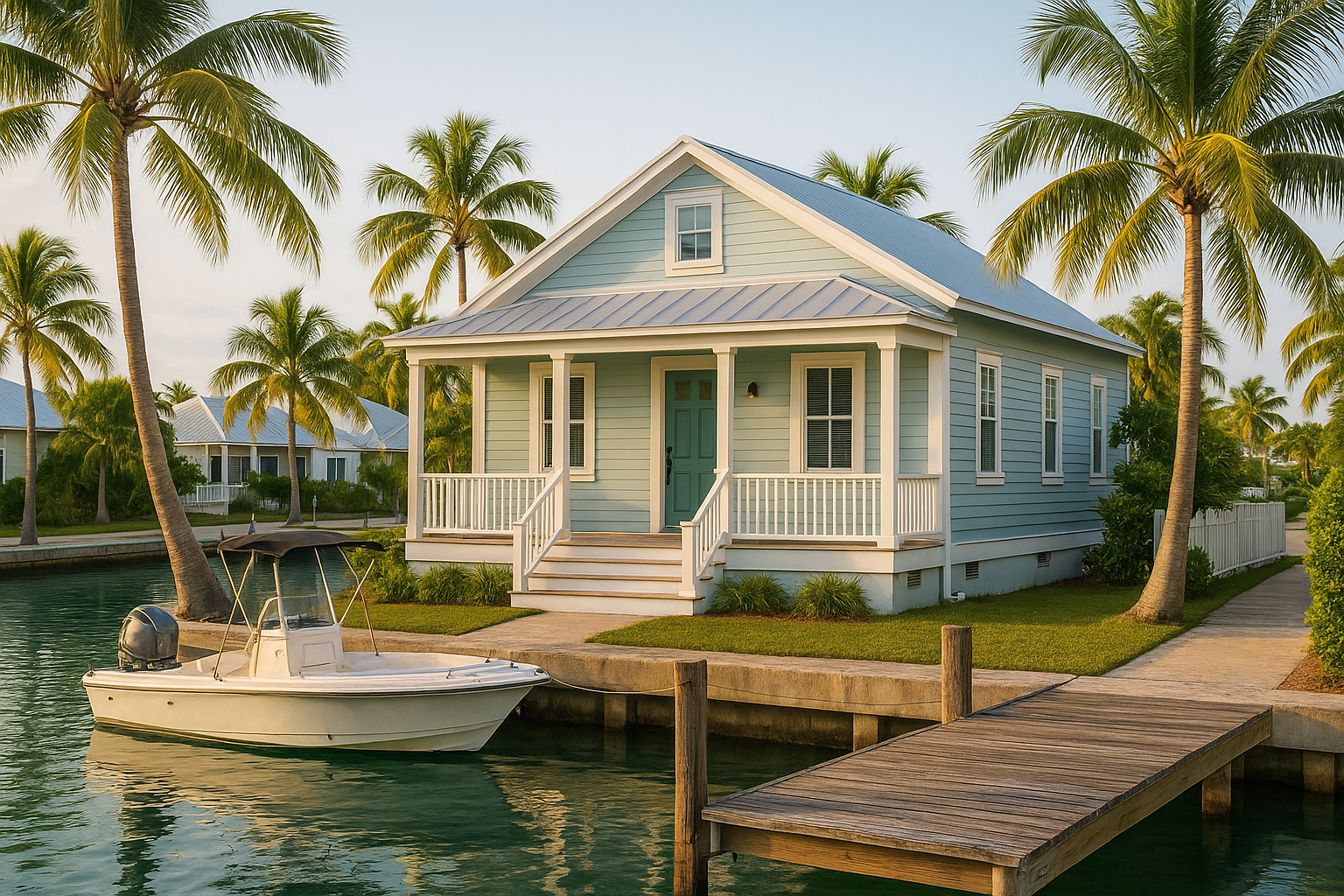
    If you’re searching with the term chicago, this guide tells you what to expect in Key West and how to act: limited land, high vacation demand, and coastal insurance needs shape buying and selling decisions. Use these practical steps, timelines, and checklists to prepare for a Key West purchase or sale from chicago. That makes Buying and Selling in useful context for comparing pricing, demand, and buyer behavior in Key West.

    Why Key West Is Different: Island Constraints and Market Drivers

    Key West’s appeal comes from its tropical climate, walkable Old Town neighborhoods, marinas, and relaxed lifestyle. Those attractions also create competition and specific local dynamics:

    • Limited land availability: The island’s finite footprint constrains supply, keeping inventory low compared with mainland markets.
    • Vacation and second-home demand: Buyers from colder climates create steady demand for turnkey, low-maintenance properties.
    • Premium pricing for location: Proximity to the water, historic districts, and amenities often results in significant price differentials within short distances.
    • Seasonality: Peak buying and rental seasons—often fall and winter—can influence competition and pricing when out-of-state buyers arrive.

    How the Focus Keyword “chicago” Fits In

    Many prospective Key West buyers come from northern cities, and searchers using chicago is typically looking for winter escapes, vacation rentals, or relocations from the Midwest. chicago buyers should prioritize low off-season carrying costs, clear rental potential, and storm-resilient construction when evaluating listings. For supporting market context, see National Association of Realtors housing insights.

    What Buyers from chicago Should Know

    If you’re searching from chicago for a Key West property, follow these practical steps to make a confident decision:

    1. Define your primary purpose: Vacation home, relocation, or investment will determine zoning, HOA rules, and financing needs.
    2. Plan a focused visit: Visit neighborhoods at various times to assess noise, traffic, and access to amenities.
    3. Work with a local agent: A Key West agent can provide comps, explain flood and insurance considerations, and guide permitting and HOA rules.
    4. Understand insurance costs: Windstorm and flood insurance can be higher; obtain quotes early and factor them into budgets.
    5. Inspect for resilience: Seek elevated utilities, hurricane shutters or impact windows, and well-maintained roofs and seawalls.
    6. Budget for limited expansion: Scarce developable land can restrict major additions or adding a pool.

    What Sellers Should Expect

    Sellers in Key West benefit from steady demand, but achieving top dollar requires strategy. For broader pricing context, compare this with sell home Key West checklist pricing staging.

    • Price to local comps: Use recent island sales rather than mainland metros; micro-markets like Old Town can differ significantly.
    • Stage for the vacation buyer: Highlight indoor-outdoor living, low-maintenance finishes, and rental-friendly features.
    • Disclose condition and compliance: Provide flood elevation certificates, permit histories, and known maintenance items.
    • Market seasonally: Listing during peak interest (often fall and winter) can increase exposure and competition from buyers searching with chicago.

    Financing and Investment Considerations

    Financing Key West properties differs from mainland lending in several ways:

    • Loan availability: Some lenders limit loans for properties with rental restrictions or elevation issues; use lenders familiar with Key West.
    • Higher down payments: Investment properties and some condos often require larger down payments and higher rates.
    • Rental income potential: Analyze occupancy trends, platform restrictions, HOA rules, and estimated net operating income after insurance and management fees.
    • Tax and maintenance planning: Factor Florida property taxes, potential homestead benefits, and ongoing maintenance for salt-air exposure.

    Neighborhood Dynamics in Key West

    Key West contains diverse micro-markets; evaluate proximity to marinas, historic districts, restaurants, and ferry access. Short walks to amenities command a premium, while properties farther from the core may offer more space but fewer rental advantages. That makes sell Key West home May summer staging useful context for comparing pricing, demand, and buyer behavior in Key West.

    Timing Your Move: Practical Timeline

    1. Initial research (1–3 months): Refine criteria, consult a Key West agent, and compare listings.
    2. Visit and inspect (1–2 weeks): Inspect in person during the season you’ll occupy the property when possible.
    3. Offer and negotiation (2–4 weeks): Expect faster negotiations when inventory is tight; have financing pre-approval ready.
    4. Due diligence and closing (30–60 days): Complete inspections, secure insurance, and finalize closing; coastal permits or HOA approvals can affect timing.

    Preserving Value in an Island Environment

    Protect your investment and lifestyle value in Key West by scheduling routine maintenance for roofs, HVAC, and exterior materials exposed to salt and sun; investing in durable finishes like composite decking and impact-resistant glass; and keeping clear documentation on repairs and upgrades.

    Local Resources and Professionals to Engage

    Key relationships that smooth a Key West transaction include:

    • A local real estate agent experienced in island and vacation markets
    • A lender familiar with coastal financing and Key West insurance requirements
    • A licensed home inspector with hurricane and salt-air experience
    • An insurance broker who can compare wind, flood, and umbrella policies
    • A property manager if you plan to rent when you’re not using the home

    Sample Checklist for chicago Buyers Traveling to Key West

    • Pre-approval or proof of funds
    • List of must-have features (bedrooms, outdoor space, parking)
    • Questions about rental rules, HOA covenants, and flood zones
    • Inspection priorities: roof, elevation, seawall, and HVAC
    • Estimated annual costs: insurance, taxes, and maintenance

    FAQ

    Will buyers from chicago face higher insurance costs in Key West?

    Yes. Coastal properties typically have higher windstorm and flood insurance premiums; chicago buyers should get quotes early and include them in affordability calculations.

    How competitive is the Key West market for buyers relocating from chicago?

    Competition is often intense for well-located, turnkey properties; prepared buyers with financing and clear priorities fare better.

    Can I rent my Key West property short-term if I split time between Key West and chicago?

    Possibly. Rental permissions depend on property type, HOA rules, and local ordinances—confirm before buying.

    What should chicago buyers pay special attention to on inspections?

    Prioritize roof condition, hurricane protection, flood elevation certificates, electrical systems, and salt-water corrosion or structural settling.

    Is now a good time to sell a Key West property?

    Selling can be advantageous when inventory is low and tourism demand is strong; peak exposure often coincides with fall and winter when buyers searching with visitor demand arrive.

    How does limited land availability affect future appreciation?

    Scarce developable land supports long-term value retention and appreciation, though micro-market variations and broader economic conditions still drive prices.

    Final Thoughts

    For buyers and sellers tied to chicago, Key West offers tropical living and rental potential but requires local insight. Work with experienced island professionals, budget for insurance and maintenance, and visit properties in person to ensure the right fit for your lifestyle and financial goals.
  • Single Job Debug Test in Key West, FL Real Estate: A 7-Step Local Troubleshooting Guide for Single-Property  |

    Single Job Debug Test in Key West, FL Real Estate: A 7-Step Local Troubleshooting Guide for Single-Property  |

    Single Job Debug Test in Key West, FL Real Estate: A Local Troubleshooting Guide for Single-Property Deals

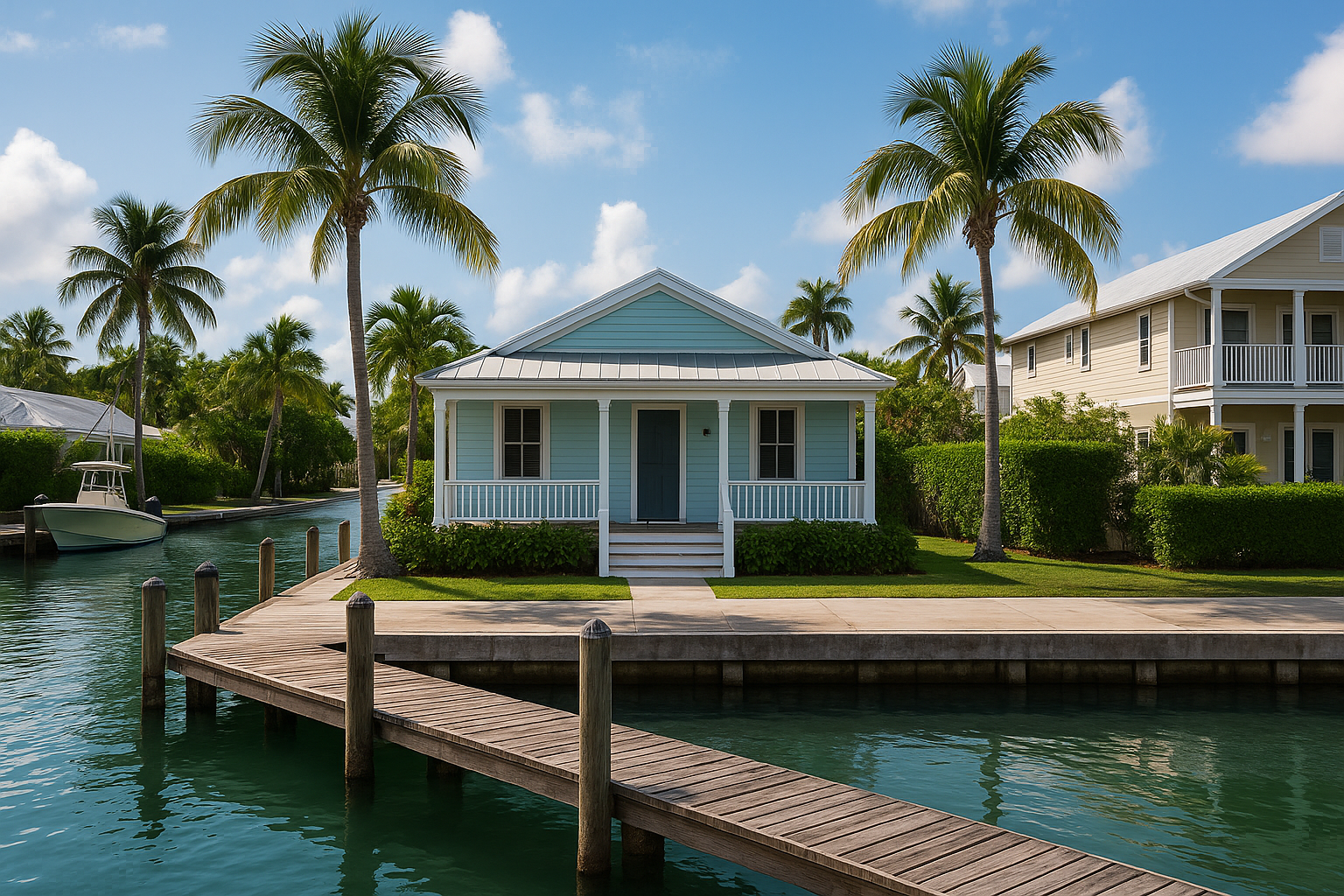
    In Key West, FL, every home purchase is uniquely shaped by the island’s flood zones, historic rules, and tight inventory. When you’re focused on a single property, you need a disciplined approach to testing for problems before they derail your deal. Think of it as a single job debug test for your transaction—methodically checking each local variable that can affect cost, livability, and long-term value.

    What the Single Job Debug Test Means in Key West, FL

    Applied to Key West, FL real estate, a single job debug test is a structured troubleshooting process for one specific home or condo. The goal is to reveal local risk factors early—flood risk, downstairs enclosures, permit history, condo rules, parking constraints, and insurance—so you can adjust your offer, timeline, and contingency strategy with confidence.

    Pre-Offer Diagnostics: Fast Local Checks That Save Time

    1) Location-layer scan

    • Flood zone: Verify whether the address falls in VE, AE, or X; note base flood elevation and any coastal wave exposure. This is non-negotiable in Key West, FL.
    • Neighborhood fit: Old Town for walkability and historic charm; New Town for parking, newer builds, and larger footprints; Midtown for a balance of both.
    • Street-level factors: Check for frequent tidal pooling (“king tide” spots), one-way streets impacting access, and proximity to critical services.

    2) Quick insurance reality check

    • Ask a Key West, FL insurance pro for a preliminary read on flood and wind coverage based on elevation, roof shape, and opening protection. Early ballparks help right-size your budget.

    3) Permit and work-history snapshot

    • Confirm closed permits for roofs, windows/doors, electrical, plumbing, and any additions. Open or expired permits are common here and can stall a closing.
    • Flag unpermitted ground-level enclosures in flood zones. In Key West, FL, that can impact insurance, compliance, and resale.

    This pre-offer pass is the first phase of your single job debug test: if red flags appear, you can sharpen terms or pivot fast to another Key West, FL opportunity.

    Flood Zone Testing and Insurance: The Core of a Key West, FL Debug

    Flood risk carries outsized influence in Key West, FL. Your single job debug test should include:

    • Elevation certificate review to understand how the structure sits relative to base flood elevation. If missing, budget and timeline for ordering one.
    • Policy scenarios for flood and wind: compare cost and coverage based on roof age, shutters vs. impact glass, and verified mitigation features.
    • Downstairs space audit: In flood zones, finished lower-level areas can be non-compliant. Confirm construction type, venting, and use limitations.
    • Drainage and site grading: Look at where water gathers after storms. Simple fixes like gutters, swales, or permeable pavers may help—but know the limits.

    Getting this right early prevents budget shocks and aligns property choice with your comfort level for risk in Key West, FL.

    Old Town vs. New Town: Different Debug Paths

    Old Town Key West, FL: Historic character, walkability, and rules

    • Historic compliance: Exterior changes may require approvals. Your single job debug test should include a look at prior approvals and any unpermitted alterations.
    • Construction age and materials: Cisterns, piers, and wood framing are common. Prior termite treatments, structural reinforcements, and wind upgrades matter.
    • Lifestyle tradeoffs: Walkability is excellent; parking can be tight. Test your daily life assumptions—grocery runs, bike storage, guest parking.

    New Town Key West, FL: Space, parking, and newer systems

    • System age: Often newer roofs, HVAC, and impact windows, but verify the actual install dates and permits.
    • Lot and layout: More driveway and yard space. Confirm setbacks and any accessory structure permits.
    • Noise and access: Proximity to main thoroughfares vs. side streets. Drive the route you’ll use most to test real-life convenience.

    Both areas can work beautifully; the point of the single job debug test is tailoring your due diligence to the home’s era, block, and daily-life priorities in Key West, FL.

    Condo and HOA Debugging in Key West, FL

    Condos simplify maintenance but add rules and shared costs. For a condo-focused single job debug test in Key West, FL, prioritize:

    • Budget health: Review reserves, recent assessments, and upcoming projects (roofing, elevators, painting, seawalls if applicable).
    • Insurance coverage: Understand the association’s master policy and what you must cover personally, especially for flood and wind.
    • Use rules: Pet limits, parking, leases, and any short-term rental restrictions. Confirm the license status for transient or monthly rentals where relevant.
    • Milestone or structural inspections: Ask for recent reports and timelines for follow-ups. Costs here flow directly to owners.

    A clear condo picture protects cash flow and lifestyle expectations in Key West, FL.

    Inspection Playbook: Local Tests That Matter

    • General home inspection: Choose an inspector who frequently works in Key West, FL and knows island construction quirks.
    • Roof and wind mitigation: Verify nailing patterns, roof shape, secondary water barrier, and opening protection for insurance credits.
    • Termite and wood-destroying organisms: Given climate and historic wood framing, this is essential in Old Town and wise citywide.
    • Sewer scope and drainage: Older laterals and low-lying parcels benefit from a camera inspection and site drainage review.
    • Mold and moisture: Humidity and flood exposure make this a prudent test, especially for ground-level or enclosed areas.
    • Electrical and panel brand verification: Replacements are common in older homes; confirm panel type and grounding.

    Treat inspections as the hands-on phase of your single job debug test, converting unknowns into data you can negotiate around in Key West, FL.

    Island Logistics Within City Limits: Scheduling and Access

    • Vendor scheduling: Inspectors, roofers, and surveyors book quickly. Lock in dates as soon as the contract is executed.
    • Material lead times: Impact windows, doors, or specialty materials can delay projects. If upgrades drive your decision, price in time.
    • Parking and access: Narrow streets and limited driveways affect moving day and contractor staging in Key West, FL.

    These operational details are part of a practical single job debug test—because a great house that you can’t service easily isn’t a good fit.

    Offer-to-Close Troubleshooting for Key West, FL

    • Comp tension in thin inventory: If there are few active comparables, use pending and very recent closed data, plus condition adjustments, to right-size price.
    • Contingency tuning: Keep inspection and insurance contingencies strong. In Key West, FL, you want explicit rights to review permits and association documents.
    • Title specifics: Confirm any recorded elevation, encroachments, or easements that constrain additions, parking, or fencing.
    • Repair vs. credit: Local vendors may be booked; a closing credit can be smarter than a repair promise.

    Align each step with your single job debug test findings so the final contract reflects real Key West, FL conditions—not assumptions.

    Translating Debug Findings Into Buyer Fit

    • Walkability vs. space: If you value strolling to daily needs, Old Town in Key West, FL typically wins. If you need parking, storage, or a larger home office, New Town often fits better.
    • Budget certainty: Higher insurance tolerance might unlock more options near the water; if premiums are a concern, focus on elevation and mitigation features.
    • Maintenance bandwidth: Historic charm brings upkeep. Newer builds may reduce that load. Choose the rhythm that matches your lifestyle.

    By the end of a thoughtful single job debug test, you should know whether this specific Key West, FL property fits your daily life and long-term plans.

    FAQ: Key West, FL Single-Property Debugging

    What steps should I take to debug a single real estate job in Key West, FL?

    Start with a location scan (flood zone, neighborhood fit), run a quick insurance estimate, pull permit history, and schedule targeted inspections. Review title constraints and, if buying a condo, analyze reserves, rules, and upcoming projects. Tie each step back to your single job debug test checklist so no local factor is missed.

    How do I test for flood risks in Key West, FL properties?

    Obtain or order an elevation certificate, compare structure elevation to base flood elevation, review lower-level enclosures for compliance, and price insurance with a Key West, FL agent. During heavy rains or high tides, observe how the immediate block drains.

    What’s the difference between Old Town and New Town for single-home buyers?

    Old Town in Key West, FL emphasizes walkability and historic architecture but may have tighter parking and older systems. New Town generally offers more parking, space, and newer components. Your single job debug test should reflect those tradeoffs—more emphasis on historic compliance and termites in Old Town; more on system age and lot use in New Town.

    Are there unique logistics for single-property purchases on the island?

    Yes—vendor scheduling, material lead times, and access for contractors all affect timelines within Key West, FL. Plan inspections early and anticipate staging limits on narrow streets.

    How should I handle HOA or condo considerations in Key West, FL?

    Scrutinize reserves, insurance, rules, leasing policies, and any structural inspection reports. For a clean single job debug test, confirm past and pending assessments and understand what the master policy covers versus your personal policy.

    Wrap-Up: A Local Checklist That Reduces Surprises

    A disciplined single job debug test keeps your Key West, FL purchase focused on what matters: safety, budget, and lifestyle fit. By stress-testing flood exposure, insurance, permits, inspections, association health, and logistics, you convert uncertainty into clarity. That clarity is the local edge you need to choose the right home, in the right neighborhood, with eyes wide open.

  • Key West Waterfront Condo Checklist (10-Point): A Local Buyer’s Guide to Smart Island Living

    Key West Waterfront Condo Checklist (10-Point): A Local Buyer’s Guide to Smart Island Living

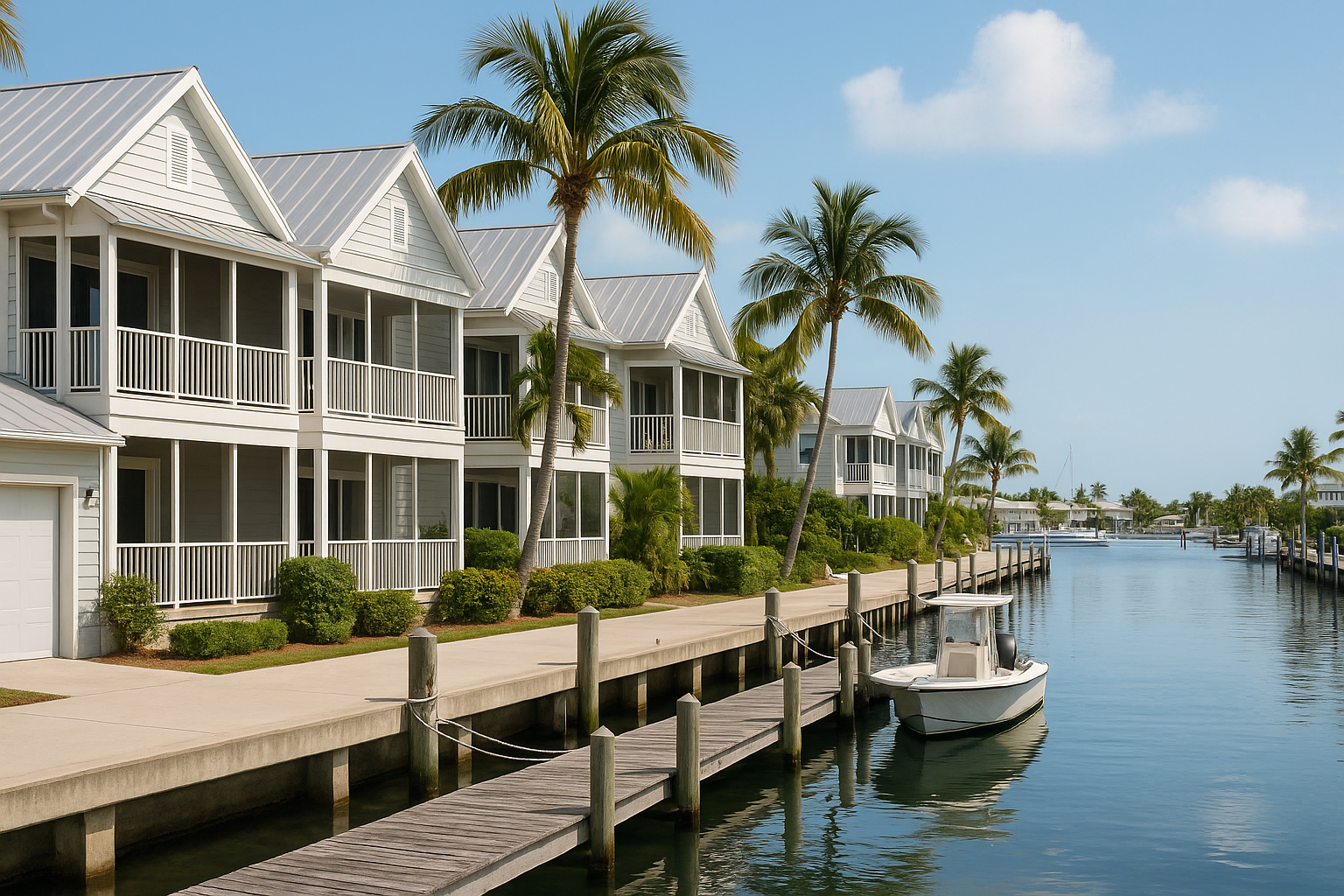
    Choosing a waterfront condo in Key West, FL is a uniquely local decision. Views and sea breezes are only part of the story—daily life here is shaped by walkability, marina access, flood zones, HOA rules, and how close you are to Duval Street and the Historic Seaport. Use this Key West waterfront condo checklist as your practical guide to weigh lifestyle benefits against ownership costs, so you can buy with confidence in the island’s most coveted settings.

    Why a Key West waterfront condo checklist matters

    Inventory is limited on this small island, and each waterfront building can feel very different from the next. A methodical Key West waterfront condo checklist helps you compare apples to apples: how the location fits your routines, how a building handles tropical weather, what you’ll pay for insurance and HOA fees, and how rental or renovation rules might affect your plans. This is local, market-aware due diligence—not generic advice.

    Location fit: Old Town vs New Town waterfront

    In Key West, FL, “waterfront” can mean boardwalks by the Historic Seaport, open-ocean frontage along South Roosevelt Boulevard, or bay-facing condos on the north side of the island. Where you buy will shape everything from your sleep quality to your grocery runs.

    Old Town waterfront considerations

    • Walkability: Old Town waterfront near the Historic Seaport puts restaurants, galleries, and Duval Street within an easy stroll. This is a prime choice if you want to step out for dinner instead of driving.
    • Noise and privacy: Proximity to Duval Street and busy docks can mean early charter departures, music, and pedestrian activity. Visit at different hours to gauge ambient noise and dock operations.
    • Parking and storage: Many Old Town condo communities prioritize location over car space. Expect one assigned spot at best, limited guest parking, and tight storage for bikes, paddleboards, and fishing gear.
    • Character vs. convenience: You’ll find charming, smaller buildings with unique layouts. Tradeoff: less uniformity in amenities and potentially higher per-unit maintenance when common elements need work.

    New Town waterfront considerations

    • Modern amenities and scale: Larger communities in New Town often offer elevators, pools, tennis, on-site management, and more predictable parking.
    • Walkability tradeoffs: You’ll likely be farther from Duval Street nightlife but closer to daily essentials along major corridors—groceries, pharmacies, and services. If you value quiet evenings and straightforward parking, this can be a win.
    • Oceanfront vs. bayside feel: Oceanfront stretches along South Roosevelt Boulevard emphasize breezes, sunrise walks, and bike paths; bayside stretches offer sunsets and calmer waters. Visit at high tide, low tide, and windy days to feel the difference.

    Flood zones, elevation, and weather resilience

    On an island, elevation and construction details matter. Use this portion of the Key West waterfront condo checklist to scrutinize storm readiness:

    • Flood zone verification: Confirm the FEMA flood zone for the exact building and unit location. In Key West, AE and VE designations are common on the waterfront; VE typically carries stricter standards and higher premiums.
    • Elevation certificates: Ask for a current elevation certificate for the building and, if available, for the unit floor. Compare finished floor elevation to Base Flood Elevation (BFE).
    • Impact protection: Look for impact-rated windows/doors or approved shutters. Verify installation dates and permits, and confirm the HOA’s storm protocols for common areas.
    • Drainage and ground-level storage: Inspect how water sheds during rain. Ground-level storage rooms should be designed for flood exposure or relocated above flood levels.
    • Generator policies: Some associations allow building generators or battery back-up systems; understand rules, fuel storage plans, and maintenance responsibilities.

    Marina and boating access reality check

    Key West’s boating culture is a major draw, but dockage is not one-size-fits-all.

    • Deeded slips vs. association docks: Verify whether a slip is deeded with the unit, assigned by the association, or available via waitlist. Ask about size limits, lift capacity, and usage hours.
    • Depth, draft, and wake: Inquire about channel depth at low tide and exposure to wakes. Test a run from the property to open water during typical winds and tides.
    • Rules and fees: No liveaboard policies are common. Review maintenance fees for docks, pilings, and seawalls, plus insurance requirements for boat owners.
    • Nearby options: If on-site dockage is limited, check practical proximity to Garrison Bight and the Historic Seaport for alternative berthing or charters.

    HOA rules, budgets, and special assessments

    Island associations vary widely. Read before you fall in love with the view:

    • Rental policies: Many waterfront associations restrict rentals to 30 days or longer. Shorter stays may require a specific transient license, and not all properties qualify. Confirm minimum terms, approval timelines, and any caps on the number of rental units.
    • Renovations and approvals: Balconies, windows, flooring, and exterior-facing work often need HOA and city permits. Clarify allowable materials, noise hours, and insurance certificates required from contractors.
    • Budgets and reserves: Review reserve studies, funding levels, and recent special assessments. Waterfront buildings face recurring costs for seawalls, docks, concrete restoration, and roofs—healthy reserves matter.
    • Milestone inspections: Ask for the latest structural inspection reports, schedules, and any planned remediation. Understand how upcoming projects may affect use of amenities and your budget.

    Insurance and carrying costs

    Waterfront premiums in Key West, FL reflect exposure and building features.

    • Master policy: Request the HOA’s windstorm and flood policies. Note deductibles, coverage limits, and exclusions that may increase your costs.
    • HO-6 coverage: Price your interior policy with realistic assumptions about your unit’s elevation, openings protection, and upgrades.
    • Fee transparency: Break down monthly HOA dues by line item—insurance share, dock and pool maintenance, security, reserves—so you’re comparing total carrying costs across buildings.

    Noise, privacy, and daily-life tradeoffs

    • Tourist activity: Units facing active docks near the Historic Seaport may experience early charter departures and evening returns. Walk the boardwalks at peak times to gauge energy and sound.
    • Event and flight paths: Oceanfront buildings along South Roosevelt Boulevard can experience aircraft noise and event traffic on big weekends. Ask residents and property managers for honest feedback.
    • Unit placement: Higher floors can reduce foot-traffic noise; interior courtyards can buffer street sounds. Corner stacks may add privacy but can be windier.

    Parking, storage, and mobility

    • Assigned spaces: Confirm the number of deeded or assigned spots per unit, guest parking rules, and any EV charging options.
    • Bike and scooter logistics: Many residents rely on bikes and scooters. Check for secure racks or rooms and confirm HOA policies.
    • Walkability reality: From Old Town waterfront, errands and dining are mostly on foot. From New Town waterfront, you’ll likely bike or drive to Duval Street but have closer access to daily shopping.

    Your Key West waterfront condo checklist

    Use this condensed Key West waterfront condo checklist during tours and before making an offer:

    • Does the location match your lifestyle—Old Town walkability or New Town convenience?
    • What is the exact flood zone, BFE, and unit/building elevation? Are impact openings in place?
    • How are docks, slips, and seawalls managed? Is there a waitlist and what are the fees?
    • What are the HOA rental rules, approval timelines, and minimum lease terms?
    • What’s the health of reserves and the status of structural inspections and planned projects?
    • What are total monthly carrying costs including HOA dues, master insurance share, and utilities?
    • How noisy is the area at morning charter hours and weekend evenings? Visit at multiple times.
    • How many parking spaces come with the unit, and what is the guest parking situation?
    • Where will you store bikes, boards, and boating gear?
    • Are there any pending special assessments or insurance deductible increases?
    • What are the renovation restrictions for windows, balconies, and flooring?
    • How quickly can you access groceries, pharmacies, and medical services from this location?

    Buyer profiles and tradeoffs to consider

    • Lock-and-leave owners: Prioritize newer impact openings, strong reserves, and simple parking. Accept slightly less walkability for lower noise if that suits your routine.
    • Active boaters: Focus on reliable dockage, depth at low tide, and practical proximity to fuel and maintenance. Clarify HOA rules on trailering and gear storage.
    • Seasonal landlords: Confirm rental minimums and approval times. Units without short-term permissions may still cash-flow seasonally under 30+ day terms—but model conservatively.

    Key West waterfront condo FAQs

    What are the key differences between waterfront condos in Old Town and New Town Key West?

    Old Town waterfront emphasizes walkability to the Historic Seaport and Duval Street, with charming buildings, tighter parking, and more ambient activity. New Town waterfront typically delivers larger communities, easier parking, broader amenities, and quieter evenings, but you’ll likely bike or drive for dining and nightlife. Both offer strong views; the right fit depends on your daily routine.

    How can I check flood zones for a Key West waterfront condo?

    Ask for the building’s elevation certificate and reference the FEMA Flood Map Service Center with the property’s Key West address. Confirm whether the building sits in AE or VE and compare finished floor elevation to BFE. Then get real quotes for flood and wind policies based on those specifics.

    What HOA fees should I expect for waterfront condos in Key West?

    Fees vary by building scale, amenities, and insurance costs. Expect line items for master wind and flood policies, reserves, common area maintenance, and, where applicable, docks and seawalls. The most reliable comparison is total monthly carrying cost per unit, not just the headline HOA fee.

    Are short-term rentals allowed in Key West waterfront condo associations?

    Many associations require 30-day minimums and prohibit weekly or nightly rentals. Shorter terms generally require a specific transient license, and not all properties qualify. Always verify the recorded condo documents and board policies—don’t rely on listing remarks alone.

    What lifestyle perks come with owning a waterfront condo in Key West?

    Beyond views, day-to-day perks include quick access to the boardwalks, bike paths along the water, sunrise or sunset routines depending on orientation, and, where available, on-site or nearby boating. Use this Key West waterfront condo checklist to confirm those perks align with noise tolerance, parking needs, and your preferred neighborhood pace.

    Next steps

    Save this Key West waterfront condo checklist and bring it to showings. Visit candidate buildings at different times of day, request full HOA and insurance documents up front, and pressure-test your budget with realistic premiums and reserves. With a local, checklist-driven approach, you’ll match the right waterfront view to the right daily life in Key West, FL.

  • first time home buyer Key West 2026: Practical, Local Guidance for Your First Keys Home

    first time home buyer Key West 2026: Practical, Local Guidance for Your First Keys Home

    A Local Playbook for the First-Time Buyer in Key West, FL

    If you plan to be a first time home buyer Key West 2026, the best advantage you can give yourself is a clear, local strategy. Key West, FL offers walkable neighborhoods, historic charm, and salt-air living—but it also brings flood zones, insurance nuances, and limited inventory on a small island. This guide translates Key West specifics into practical steps so a first time home buyer Key West 2026 can move with confidence.

    Choose Your Neighborhood Fit: Old Town vs Midtown vs New Town

    Old Town

    • Experience: Historic Conch homes, porches, tree-lined streets, and strong walkability to the Historic Seaport and Duval Street. Expect tighter lots and scarce off-street parking.
    • Home types: Wood-frame Conch houses, many pre-1940, often updated but still needing ongoing maintenance (termite prevention, wood rot, and historic approvals for exterior changes).
    • Tradeoffs: Incredible character and walk-to-everything convenience, but potential for higher flood insurance in low-lying blocks and occasional nuisance flooding during king tides. Noise levels vary—homes closer to busy nightlife corridors may trade serenity for access.

    Midtown

    • Experience: Residential streets between Old Town and New Town, with a neighborhood feel and a mix of classic and mid-century homes.
    • Home types: Often single-family, some with driveways or carports, and a mix of elevations that can influence flood insurance pricing.
    • Tradeoffs: Good balance of convenience and calmer streets. Check each property’s elevation and drainage patterns street by street.

    New Town

    • Experience: More modern conveniences, grocery and services, and a primarily drive-oriented lifestyle compared with Old Town.
    • Home types: Concrete block construction is common, with stilted or elevated designs. Townhomes and condo communities appear more often here.
    • Tradeoffs: Easier parking and typically larger lots or newer construction. Walkability is more limited, but many buyers appreciate the practical layouts and storage.

    For a first time home buyer Key West 2026, clarifying your walkability needs, parking expectations, and tolerance for maintenance will narrow your search and save time.

    Flood Zones and Insurance: What First-Timers Must Know

    • Common zones in Key West, FL: AE, VE (coastal high-velocity), and pockets of X. Zones can change; verify with current maps before you write an offer.
    • Elevation certificate: Ask for the seller’s elevation certificate early. It impacts flood insurance quotes and may influence your budget.
    • Building elevation and mitigation: Elevated homes, flood vents, and updated electrical/mechanical placement can reduce risk. For wind coverage, look for impact windows, shutters, and reinforced roofs for credits.
    • Quote insurance in advance: In Key West, FL, it’s smart to request both flood and wind quotes during your inspection period—or even before making an offer. Premiums vary widely by elevation, construction type, and distance to water.

    Addressing flood and wind up front keeps a first time home buyer Key West 2026 from falling in love with a home that strains the monthly budget once insurance is added.

    Condo vs Single-Family in Key West, FL

    Condo Pros and Cons

    • Pros: Shared amenities, exterior maintenance handled by the association, and a predictable setting for newcomers to Key West, FL.
    • Cons: HOA rules, potential special assessments, and strict rental minimums. Budget for the master wind and flood policies within HOA fees.
    • Key step: Review the most recent condo budget, reserve study, and meeting minutes. Ask about upcoming projects, insurance renewals, and minimum rental periods.

    Single-Family Pros and Cons

    • Pros: Privacy, fewer restrictions, and the classic Key West, FL experience—especially in Old Town.
    • Cons: All maintenance is on you, and insurance can be higher if the home isn’t elevated or mitigated.
    • Key step: Get a thorough inspection for termites, wood rot, roof condition, and tie-downs; older wood-frame homes require vigilant maintenance in the Keys climate.

    If you’re a first time home buyer Key West 2026 weighing condos versus houses, model your monthly costs including HOA dues, insurance, and a realistic maintenance reserve.

    Tourism and Rental Rules: Read Before You Rely on Income

    Not every property in Key West, FL can be rented short-term. Transient rental licenses are limited and property-specific. Many condos impose 30-day or longer minimums. If rental income is part of your plan as a first time home buyer Key West 2026, confirm the property’s rental permissions in writing, verify whether a transient license exists, and review association bylaws closely. Also consider neighborhood impact—homes near busy corridors might rent more easily but may be noisier when you’re in residence.

    Budgeting for 2026 in Key West, FL

    • Down payment and closing costs: Work with a local lender who understands wind and flood requirements common in Key West, FL.
    • Insurance: Price wind and flood separately if needed; compare options with and without mitigation improvements.
    • HOA dues: For condos and townhomes, dues may include master wind/flood, building maintenance, landscaping, and reserves. Ask how recent insurance renewals have affected dues.
    • Maintenance reserve: Older Old Town homes—especially wood-frame—can require steady upkeep. Set aside an annual line item.
    • Utilities and parking: In dense Old Town blocks, paid residential parking permits and creative storage solutions may be part of the picture.

    A first time home buyer Key West 2026 should also build flexibility into the timeline; on a small island, scheduling inspectors, insurance walkthroughs, and specialty contractors can take longer than expected.

    Old Town Character vs New Town Convenience: A First-Timer’s Tradeoff

    • Old Town charm: Conch architecture, front porches, and daily-life walkability. Consider humidity control, termite bonds, and flood elevation.
    • New Town practicality: Off-street parking, storage, newer roof systems, and often better elevation. Expect to drive more for dining and entertainment.
    • Midtown balance: A middle path—residential feel, bikeable to many conveniences, and property-by-property differences in elevation and age.

    For a first time home buyer Key West 2026, tour during both day and night. Test the commute patterns across the island, listen for ambient noise, and observe drainage after a heavy rain.

    Step-by-Step: How to Buy Smart in Key West, FL

    1. Get pre-approved with a Key West-savvy lender: Ensure they can underwrite wind and flood smoothly.
    2. Study micro-locations: Walk the block. Check elevation, curb drainage, and proximity to busy streets.
    3. Price insurance early: Obtain wind and flood estimates based on the home’s elevation certificate and mitigation features.
    4. Inspect thoroughly: In addition to a standard inspection, consider WDO (wood-destroying organism), roof, and HVAC assessments. Historic homes may need specialists.
    5. Review rules: For condos or planned communities, read budgets, reserves, pending projects, and rental restrictions before your final commitment.
    6. Plan logistics: Narrow streets in Old Town may require coordination for moving trucks and temporary parking arrangements.
    7. Negotiate for what matters: If inspection reveals needed updates (flood vents, tie-downs, or impact windows), weigh credits or repairs that improve long-term costs.

    This disciplined approach protects a first time home buyer Key West 2026 from surprises and supports a smoother closing.

    Local Help and First-Time Buyer Assistance

    Key West, FL periodically offers locally administered assistance programs and partnerships that support first-time buyers, including down payment or closing cost help when funding is available. Check with the City of Key West housing resources and local nonprofits for current offerings and eligibility. A first time home buyer Key West 2026 should verify timelines early—funding windows can be limited and documentation can take time.

    2026 Outlook for Key West, FL Buyers

    • Island supply constraints: With a fixed land area, inventory in Key West, FL historically runs tight. Expect focused searches and quick decision-making on well-priced listings.
    • Insurance sensitivity: Ongoing adjustments to insurance markets and local mitigation efforts can influence total monthly costs. Homes with better elevation and wind protection may command a premium but can save over time.
    • Neighborhood stability: Established streets in Old Town, Midtown, and New Town remain desirable for different lifestyle reasons—walkability, convenience, or modern layouts.

    While no one can promise specific price moves, a first time home buyer Key West 2026 can position for success by targeting homes with strong elevation, solid maintenance histories, and realistic monthly costs.

    FAQs: First-Time Buying in Key West, FL

    What flood zones exist in Key West and how do they impact buying?

    Key West, FL commonly includes AE, VE, and some X zones. Your premium depends on elevation, construction type, and mitigation. Always obtain an elevation certificate and insurance quotes early in your inspection period.

    How do I choose between historic homes in Old Town and newer builds?

    Old Town offers character and walkability but may require more maintenance and can carry higher flood premiums depending on elevation. Newer homes in New Town often have more parking, storage, and elevation advantages. Tour both at different times of day to judge noise, parking, and drainage.

    What financing options suit first-time buyers in Key West, FL?

    Local lenders familiar with wind and flood underwriting can streamline approvals. Ask about programs periodically administered in Key West for down payment or closing cost assistance, and confirm any income or occupancy requirements.

    Are there walkable neighborhoods ideal for first-time buyers?

    Old Town is the most walkable, with quick access to everyday amenities. Midtown can be bikeable with a residential feel. New Town is more car-oriented but close to groceries and services. Consider whether parking, storage, and noise levels align with your lifestyle.

    How does tourism affect home values in Key West by 2026?

    Tourism supports local employment and demand, but not all homes can be rented short-term. If you’re counting on rental income, verify rental permissions and any transient license status. For personal-use buyers, proximity to busy areas can add convenience but may increase noise.

    How should I budget for HOA fees in Key West condos?

    Include master wind and flood policies, reserves, and upcoming projects. Review recent insurance renewals and meeting minutes. Ask about rental minimums, special assessments, and any ongoing building work that could affect dues.

    Bottom Line

    Success as a first time home buyer Key West 2026 comes from local clarity: understand flood zones, price insurance early, weigh Old Town charm against New Town practicality, and read every condo or HOA document before you sign. With the right neighborhood fit and a clear budget that reflects island realities, your first home in Key West, FL can deliver the lifestyle you want with fewer surprises.