Tag: Flood Zones

  • Key West Waterfront Condo Checklist: A 12-Point Local Buyer’s Guide

    Key West Waterfront Condo Checklist: A 12-Point Local Buyer’s Guide

    Key West Waterfront Condo Checklist

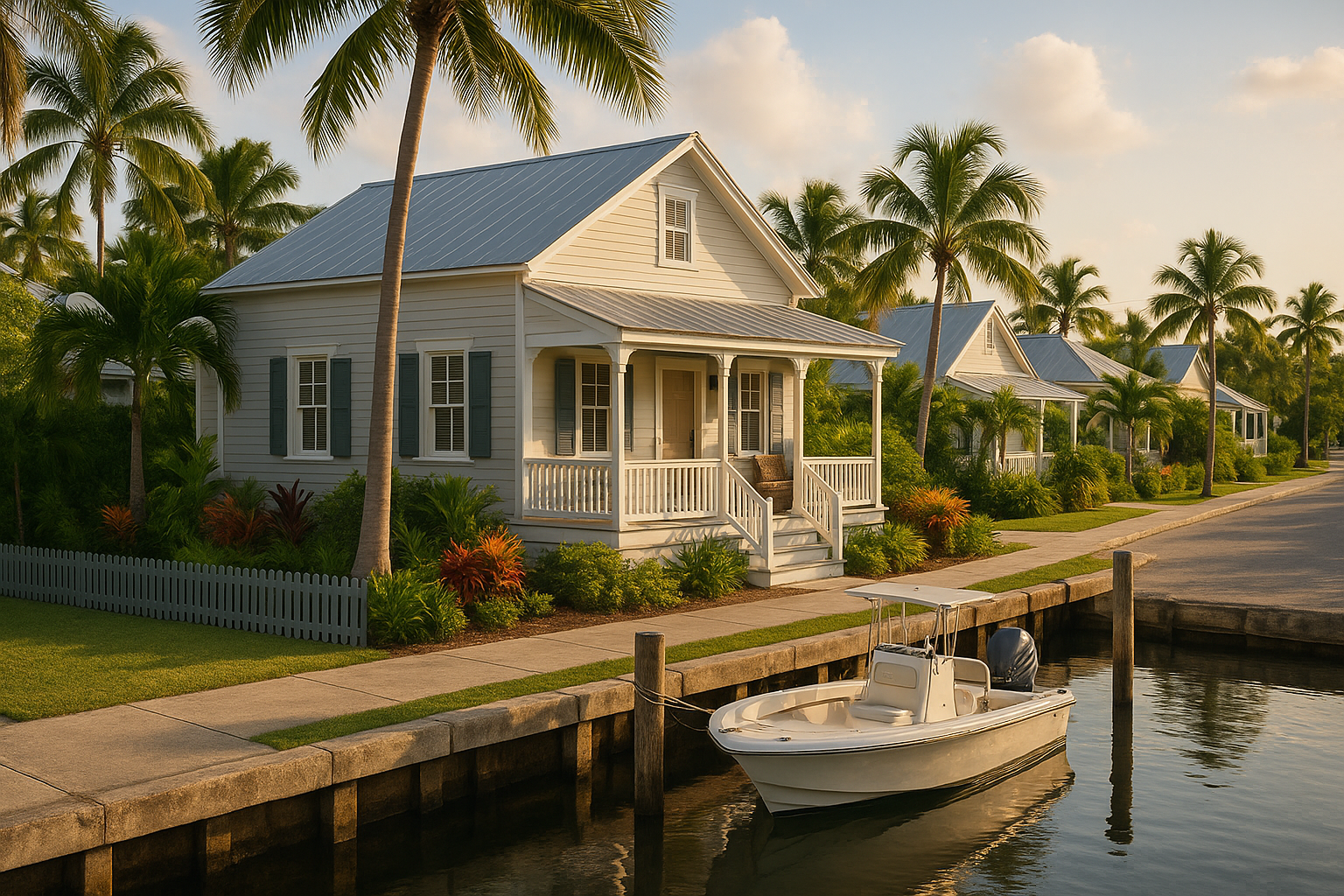
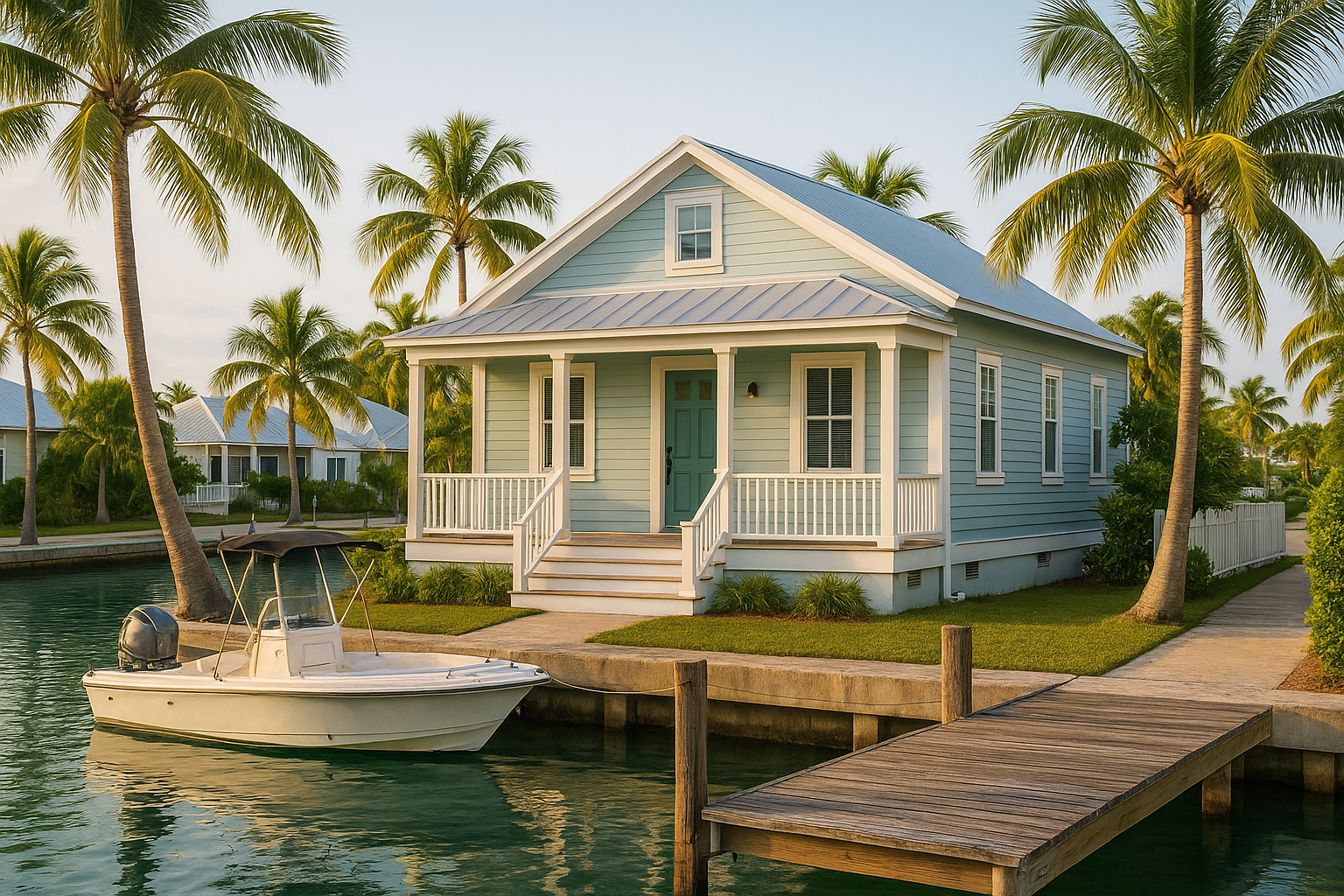
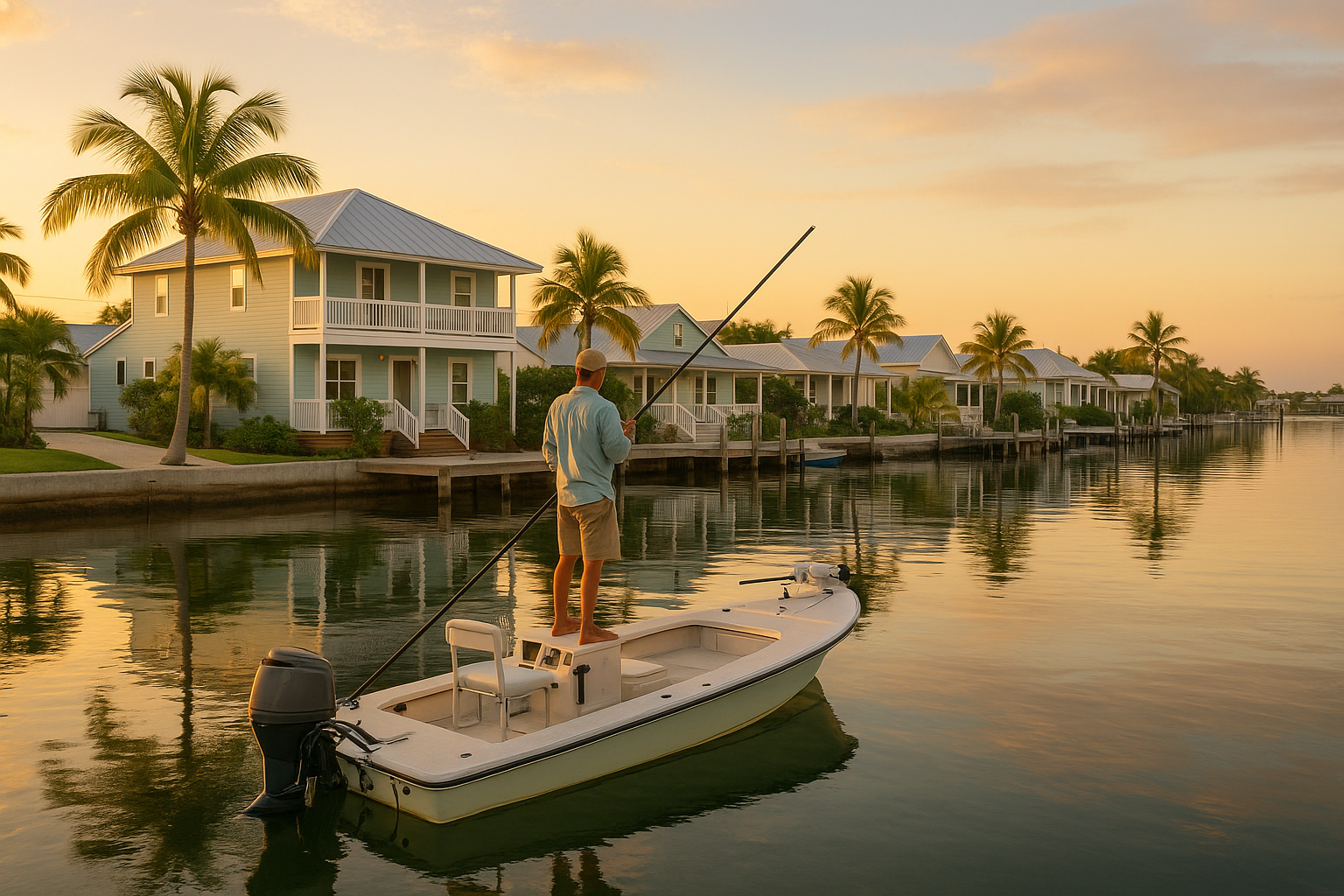
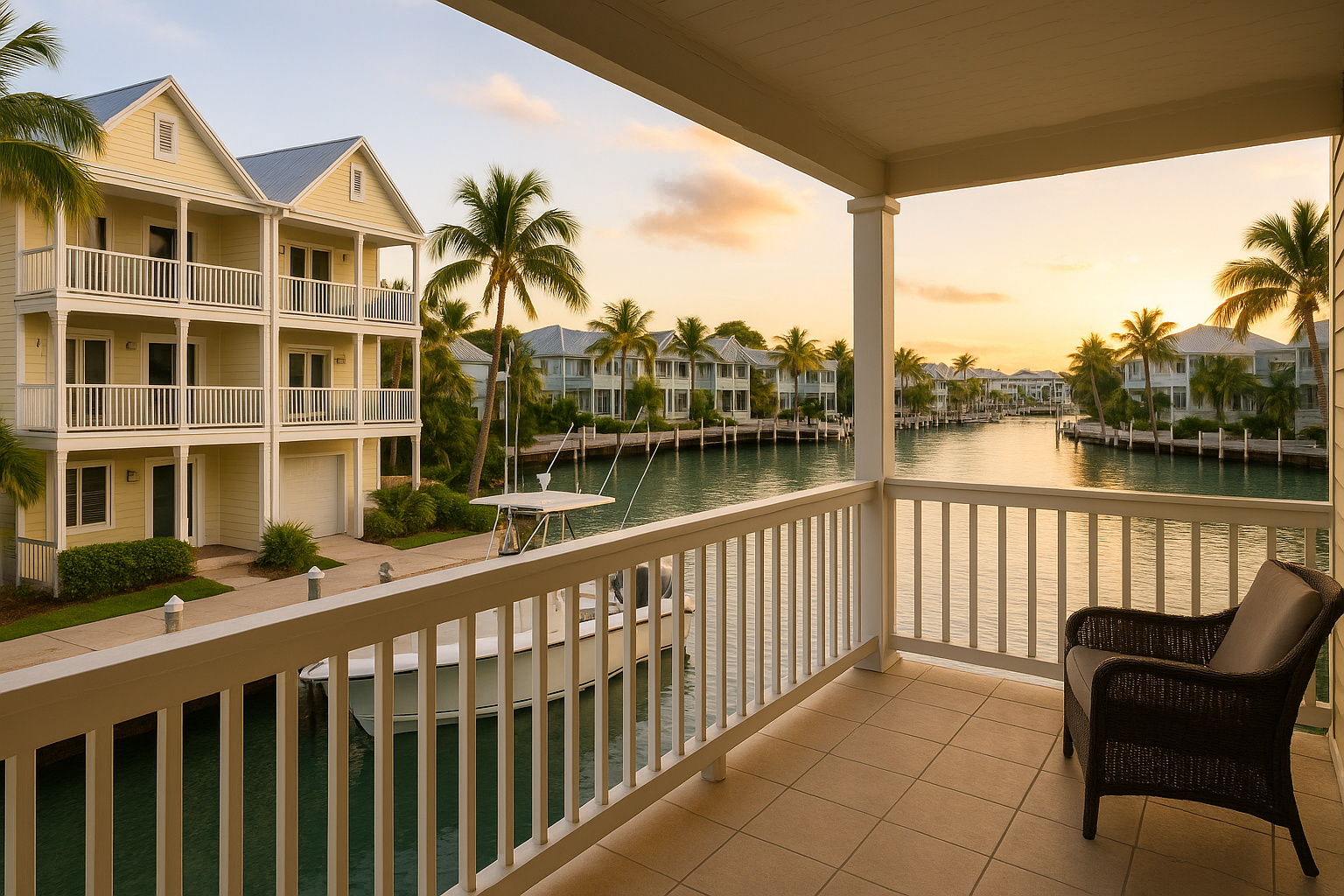
    Buying a condo on the water in Key West, FL is equal parts lifestyle and logistics. Views, breezes, and quick access to the harbor are big draws, but the smartest decisions come from a clear, local plan. Use this Key West waterfront condo checklist to weigh flood zones, HOA rules, docks, parking, and day-to-day living—so the home you pick fits your routines as well as your dreams.

    Quick Key West Waterfront Condo Checklist

    • Confirm flood zone, base flood elevation, and insurance requirements for the exact address.
    • Review HOA rules, budgets, reserves, special assessments, and rental policies specific to the building.
    • Assess hurricane resilience: impact-rated windows/shutters, roof condition, elevation, and seawall health.
    • Evaluate dock access: deeded slips, association rights, depth/draft, and maintenance responsibilities.
    • Check parking and storage: assigned vs. deeded spaces, guest parking, bike/scooter storage, and elevators.
    • Verify actual view corridors and potential obstructions from neighboring buildings, palms, or marina activity.
    • Walk the area at different times: noise from charter boats, nightlife, or airport flight paths.
    • Confirm pet rules, short-term rental permissions, and any city licensing requirements.
    • Review recent sales and days-on-market in the building for resale context.

    Keep this Key West waterfront condo checklist handy during tours and inspections to compare properties side by side.

    Flood Zones, Elevation, and Insurance

    Waterfront in Key West, FL comes with a heightened need to understand risk and mitigation. A strong Key West waterfront condo checklist starts with these items:

    Flood zone basics in Key West

    Request the property’s flood zone letter or consult official maps. Many waterfront buildings in Key West fall into zones that require flood insurance. Ask for the building’s Elevation Certificate, and compare the unit’s finished floor height to the Base Flood Elevation. Lower-level units can face higher premiums and stricter coverage requirements than upper floors.

    Elevation certificates and mitigation credits

    Elevation Certificates, wind mitigation reports, and photos of shutters or impact glass help insurers price risk. Impact-rated windows, secondary water resistance, and roof tie-down details can lower wind premiums. Clarify whether the HOA policy covers certain elements and what your individual HO-6 and flood policies must cover.

    Storm surge and seawalls

    Inspect seawalls and shoreline structures for cracking, spalling, or settlement. Ask the HOA about recent marine contractor inspections and any reserve line items for seawall repairs. Inquiries like these belong on every Key West waterfront condo checklist because shoreline upkeep is both essential and costly.

    HOA Rules, Budgets, and Everyday Living

    In Key West, FL, HOAs vary widely—from small historic conversions to larger waterfront communities near the marinas. Your Key West waterfront condo checklist should dig into:

    Fees, reserves, and assessments

    Request the latest budget, reserve study, and meeting minutes. Higher fees can be reasonable if they support docks, pools, elevators, robust reserves, and proactive maintenance. Watch for pending projects (roofing, elevator modernization, seawall work) that could trigger special assessments.

    Rental and pet policies

    Key West has specific rules about transient rentals, and many associations further restrict minimum lease terms. If rental income matters, verify whether short stays are allowed and whether city licensing is required. Pet rules vary as well—ask about size limits, breed restrictions, and number of pets permitted.

    Management, maintenance, and response times

    Confirm whether management is on-site or third-party, maintenance response times, vendor relationships, and after-hours protocols. On an island, scheduling can be tight; communities with organized maintenance calendars typically deliver a smoother ownership experience.

    Old Town vs. New Town Waterfront: Location and Lifestyle Fit

    Key West offers distinct waterfront lifestyles. To keep your decision focused, include neighborhood fit on your Key West waterfront condo checklist.

    Old Town waterfront

    Old Town puts you close to the Historic Seaport and Key West Bight. Expect top-tier walkability to marinas, dining, and Duval Street. The tradeoff can be tighter parking, more lively surroundings, and smaller buildings with unique layouts. If your priority is stepping out to the harbor and enjoying a car-light lifestyle, Old Town often excels.

    New Town waterfront

    New Town tends to offer larger complexes, more predictable parking, and proximity to beaches like Smathers. Some buildings here provide broader common areas, on-site amenities, and a slightly quieter setting. If you value easier parking or larger amenity packages, New Town can be a better match—while still offering beautiful water views.

    Whichever you choose, walk the block morning and evening. Listen for marina activity, check lighting and sidewalk conditions, and note scooter and bike routes you’ll actually use.

    Boating, Docks, and Marina Logistics

    For many buyers, a slip is as important as the view. A good Key West waterfront condo checklist clarifies:

    • Ownership vs. assignment: Are slips deeded, limited common elements, or first-come-first-served via the HOA?
    • Depth and draft: Confirm depth at mean low tide and turning radius if you run a larger center console or sailboat.
    • Utilities: Are water and shore power available at the slip? Who pays?
    • Rules: Any fuel limits, fish-cleaning restrictions, or quiet hours? Are lifts or davits allowed?
    • Waiting lists and fees: Ask for current wait times and slip fee schedules, plus insurance requirements for vessels.

    Proximity to Key West Bight or Garrison Bight can be a major perk. If you plan to charter, fish at first light, or paddle at sunset, map out the exact route from your building to the water.

    Building Resilience and Maintenance Priorities

    Salt, sun, and storms shape construction choices in Key West, FL. Your Key West waterfront condo checklist should include an eye for long-term durability:

    Impact windows, shutters, and roof systems

    Confirm impact glass ratings or the presence and condition of shutters. Review the roof’s age, type, and most recent inspection. Roof warranties and recent work orders are worth a careful read.

    Corrosion-resistant materials

    Look for stainless or coated balcony railings, sealed fasteners, and well-maintained exterior paint systems. In coastal conditions, deferred maintenance shows quickly—ask what the HOA does annually to address salt-air exposure.

    Backup power and essential systems

    Some communities maintain generators for elevators or common lighting. Ask about sump pumps, drainage, and backflow prevention in lower levels.

    Unit-Level Inspection and Showing Tips

    When you’re inside the unit, a practical Key West waterfront condo checklist helps you separate charm from future expense:

    • Sliders and seals: Operate balcony doors, check tracks for corrosion, and confirm glazing type.
    • HVAC age and placement: Systems endure salt air; ask for service records, filter schedules, and condenser location.
    • Balcony integrity: Look for efflorescence, spalling, and soft spots; request recent balcony inspection reports.
    • Noise patterns: Visit early and late—marina traffic, maintenance crews, and nightlife rhythms vary by block.
    • View verification: Step to the railing; palm growth, neighboring buildings, and moored boats can change sightlines.
    • Storage and parking: Where do bikes, scooters, fishing gear, and paddleboards live? Is the parking space truly convenient?
    • First-floor specifics: Ask about flood vents, prior water events, and any floodproofing measures.

    Walkability, Mobility, and Parking

    In Key West, FL, you’ll likely mix walking, biking, scooters, and occasional car trips. If walkability is a priority, note the number of steps to the dock, distance to groceries, and whether you’ll comfortably stroll to Duval Street. For drivers, confirm assigned spaces, guest parking policies, and gate access. Elevators matter, too—especially when carrying gear up from the dock.

    Costs and Tradeoffs: Making the View Work for You

    The right Key West waterfront condo balances fees, insurance, and maintenance with the lifestyle you want. If your top priority is boating, paying more for reliable slip access can be a smart tradeoff. If you crave quiet sunsets, choose a building positioned away from heavy charter traffic. Keep circling back to your Key West waterfront condo checklist so every feature ties to an everyday benefit.

    FAQ: Key West Waterfront Condo Checklist

    What flood zone designations are common for Key West waterfront condos?

    Many waterfront buildings in Key West, FL fall within flood zones that require flood insurance. Always verify the zone for the specific address, review the Elevation Certificate, and ask your insurance professional to price both flood and wind coverage based on the building’s mitigation features.

    How do I evaluate dock access and boating rights in a Key West condo community?

    Ask if slips are deeded or assigned, what the depth is at low tide, and whether there’s a wait list. Confirm maintenance responsibilities, utility availability, and any restrictions on lifts, liveaboard use, or charter activity.

    What are key differences in lifestyle between Old Town waterfront condos and those near the harbor in New Town?

    Old Town typically offers higher walkability to the Historic Seaport and Duval Street with a livelier atmosphere and tighter parking. New Town often provides larger complexes, more predictable parking, and proximity to beaches. Touring both areas at different times of day helps you decide which rhythm fits you best.

    Are pets allowed in most Key West waterfront condo associations?

    Policies vary by building. Some allow pets with size or number limits, while others prohibit them. Ask for the latest HOA documents, and note any city rules that may apply to public spaces outside the building.

    How does walkability to Duval Street influence waterfront condo choices in Key West?

    If you want to walk to restaurants and the harbor regularly, Old Town waterfront options can be ideal. If you prefer a quieter setting and easier parking, New Town may fit better. Let your daily routine guide the decision rather than the occasional visit.

    Need help applying this Key West waterfront condo checklist to a specific building? Reach out for local guidance, tour plans, and document reviews tailored to your top priorities.
  • Key West Waterfront Condo Checklist (10-Point): A Local Buyer’s Guide to Smart Island Living

    Key West Waterfront Condo Checklist (10-Point): A Local Buyer’s Guide to Smart Island Living

    Choosing a waterfront condo in Key West, FL is a uniquely local decision. Views and sea breezes are only part of the story—daily life here is shaped by walkability, marina access, flood zones, HOA rules, and how close you are to Duval Street and the Historic Seaport. Use this Key West waterfront condo checklist as your practical guide to weigh lifestyle benefits against ownership costs, so you can buy with confidence in the island’s most coveted settings.

    Why a Key West waterfront condo checklist matters

    Inventory is limited on this small island, and each waterfront building can feel very different from the next. A methodical Key West waterfront condo checklist helps you compare apples to apples: how the location fits your routines, how a building handles tropical weather, what you’ll pay for insurance and HOA fees, and how rental or renovation rules might affect your plans. This is local, market-aware due diligence—not generic advice.

    Location fit: Old Town vs New Town waterfront

    In Key West, FL, “waterfront” can mean boardwalks by the Historic Seaport, open-ocean frontage along South Roosevelt Boulevard, or bay-facing condos on the north side of the island. Where you buy will shape everything from your sleep quality to your grocery runs.

    Old Town waterfront considerations

    • Walkability: Old Town waterfront near the Historic Seaport puts restaurants, galleries, and Duval Street within an easy stroll. This is a prime choice if you want to step out for dinner instead of driving.
    • Noise and privacy: Proximity to Duval Street and busy docks can mean early charter departures, music, and pedestrian activity. Visit at different hours to gauge ambient noise and dock operations.
    • Parking and storage: Many Old Town condo communities prioritize location over car space. Expect one assigned spot at best, limited guest parking, and tight storage for bikes, paddleboards, and fishing gear.
    • Character vs. convenience: You’ll find charming, smaller buildings with unique layouts. Tradeoff: less uniformity in amenities and potentially higher per-unit maintenance when common elements need work.

    New Town waterfront considerations

    • Modern amenities and scale: Larger communities in New Town often offer elevators, pools, tennis, on-site management, and more predictable parking.
    • Walkability tradeoffs: You’ll likely be farther from Duval Street nightlife but closer to daily essentials along major corridors—groceries, pharmacies, and services. If you value quiet evenings and straightforward parking, this can be a win.
    • Oceanfront vs. bayside feel: Oceanfront stretches along South Roosevelt Boulevard emphasize breezes, sunrise walks, and bike paths; bayside stretches offer sunsets and calmer waters. Visit at high tide, low tide, and windy days to feel the difference.

    Flood zones, elevation, and weather resilience

    On an island, elevation and construction details matter. Use this portion of the Key West waterfront condo checklist to scrutinize storm readiness:

    • Flood zone verification: Confirm the FEMA flood zone for the exact building and unit location. In Key West, AE and VE designations are common on the waterfront; VE typically carries stricter standards and higher premiums.
    • Elevation certificates: Ask for a current elevation certificate for the building and, if available, for the unit floor. Compare finished floor elevation to Base Flood Elevation (BFE).
    • Impact protection: Look for impact-rated windows/doors or approved shutters. Verify installation dates and permits, and confirm the HOA’s storm protocols for common areas.
    • Drainage and ground-level storage: Inspect how water sheds during rain. Ground-level storage rooms should be designed for flood exposure or relocated above flood levels.
    • Generator policies: Some associations allow building generators or battery back-up systems; understand rules, fuel storage plans, and maintenance responsibilities.

    Marina and boating access reality check

    Key West’s boating culture is a major draw, but dockage is not one-size-fits-all.

    • Deeded slips vs. association docks: Verify whether a slip is deeded with the unit, assigned by the association, or available via waitlist. Ask about size limits, lift capacity, and usage hours.
    • Depth, draft, and wake: Inquire about channel depth at low tide and exposure to wakes. Test a run from the property to open water during typical winds and tides.
    • Rules and fees: No liveaboard policies are common. Review maintenance fees for docks, pilings, and seawalls, plus insurance requirements for boat owners.
    • Nearby options: If on-site dockage is limited, check practical proximity to Garrison Bight and the Historic Seaport for alternative berthing or charters.

    HOA rules, budgets, and special assessments

    Island associations vary widely. Read before you fall in love with the view:

    • Rental policies: Many waterfront associations restrict rentals to 30 days or longer. Shorter stays may require a specific transient license, and not all properties qualify. Confirm minimum terms, approval timelines, and any caps on the number of rental units.
    • Renovations and approvals: Balconies, windows, flooring, and exterior-facing work often need HOA and city permits. Clarify allowable materials, noise hours, and insurance certificates required from contractors.
    • Budgets and reserves: Review reserve studies, funding levels, and recent special assessments. Waterfront buildings face recurring costs for seawalls, docks, concrete restoration, and roofs—healthy reserves matter.
    • Milestone inspections: Ask for the latest structural inspection reports, schedules, and any planned remediation. Understand how upcoming projects may affect use of amenities and your budget.

    Insurance and carrying costs

    Waterfront premiums in Key West, FL reflect exposure and building features.

    • Master policy: Request the HOA’s windstorm and flood policies. Note deductibles, coverage limits, and exclusions that may increase your costs.
    • HO-6 coverage: Price your interior policy with realistic assumptions about your unit’s elevation, openings protection, and upgrades.
    • Fee transparency: Break down monthly HOA dues by line item—insurance share, dock and pool maintenance, security, reserves—so you’re comparing total carrying costs across buildings.

    Noise, privacy, and daily-life tradeoffs

    • Tourist activity: Units facing active docks near the Historic Seaport may experience early charter departures and evening returns. Walk the boardwalks at peak times to gauge energy and sound.
    • Event and flight paths: Oceanfront buildings along South Roosevelt Boulevard can experience aircraft noise and event traffic on big weekends. Ask residents and property managers for honest feedback.
    • Unit placement: Higher floors can reduce foot-traffic noise; interior courtyards can buffer street sounds. Corner stacks may add privacy but can be windier.

    Parking, storage, and mobility

    • Assigned spaces: Confirm the number of deeded or assigned spots per unit, guest parking rules, and any EV charging options.
    • Bike and scooter logistics: Many residents rely on bikes and scooters. Check for secure racks or rooms and confirm HOA policies.
    • Walkability reality: From Old Town waterfront, errands and dining are mostly on foot. From New Town waterfront, you’ll likely bike or drive to Duval Street but have closer access to daily shopping.

    Your Key West waterfront condo checklist

    Use this condensed Key West waterfront condo checklist during tours and before making an offer:

    • Does the location match your lifestyle—Old Town walkability or New Town convenience?
    • What is the exact flood zone, BFE, and unit/building elevation? Are impact openings in place?
    • How are docks, slips, and seawalls managed? Is there a waitlist and what are the fees?
    • What are the HOA rental rules, approval timelines, and minimum lease terms?
    • What’s the health of reserves and the status of structural inspections and planned projects?
    • What are total monthly carrying costs including HOA dues, master insurance share, and utilities?
    • How noisy is the area at morning charter hours and weekend evenings? Visit at multiple times.
    • How many parking spaces come with the unit, and what is the guest parking situation?
    • Where will you store bikes, boards, and boating gear?
    • Are there any pending special assessments or insurance deductible increases?
    • What are the renovation restrictions for windows, balconies, and flooring?
    • How quickly can you access groceries, pharmacies, and medical services from this location?

    Buyer profiles and tradeoffs to consider

    • Lock-and-leave owners: Prioritize newer impact openings, strong reserves, and simple parking. Accept slightly less walkability for lower noise if that suits your routine.
    • Active boaters: Focus on reliable dockage, depth at low tide, and practical proximity to fuel and maintenance. Clarify HOA rules on trailering and gear storage.
    • Seasonal landlords: Confirm rental minimums and approval times. Units without short-term permissions may still cash-flow seasonally under 30+ day terms—but model conservatively.

    Key West waterfront condo FAQs

    What are the key differences between waterfront condos in Old Town and New Town Key West?

    Old Town waterfront emphasizes walkability to the Historic Seaport and Duval Street, with charming buildings, tighter parking, and more ambient activity. New Town waterfront typically delivers larger communities, easier parking, broader amenities, and quieter evenings, but you’ll likely bike or drive for dining and nightlife. Both offer strong views; the right fit depends on your daily routine.

    How can I check flood zones for a Key West waterfront condo?

    Ask for the building’s elevation certificate and reference the FEMA Flood Map Service Center with the property’s Key West address. Confirm whether the building sits in AE or VE and compare finished floor elevation to BFE. Then get real quotes for flood and wind policies based on those specifics.

    What HOA fees should I expect for waterfront condos in Key West?

    Fees vary by building scale, amenities, and insurance costs. Expect line items for master wind and flood policies, reserves, common area maintenance, and, where applicable, docks and seawalls. The most reliable comparison is total monthly carrying cost per unit, not just the headline HOA fee.

    Are short-term rentals allowed in Key West waterfront condo associations?

    Many associations require 30-day minimums and prohibit weekly or nightly rentals. Shorter terms generally require a specific transient license, and not all properties qualify. Always verify the recorded condo documents and board policies—don’t rely on listing remarks alone.

    What lifestyle perks come with owning a waterfront condo in Key West?

    Beyond views, day-to-day perks include quick access to the boardwalks, bike paths along the water, sunrise or sunset routines depending on orientation, and, where available, on-site or nearby boating. Use this Key West waterfront condo checklist to confirm those perks align with noise tolerance, parking needs, and your preferred neighborhood pace.

    Next steps

    Save this Key West waterfront condo checklist and bring it to showings. Visit candidate buildings at different times of day, request full HOA and insurance documents up front, and pressure-test your budget with realistic premiums and reserves. With a local, checklist-driven approach, you’ll match the right waterfront view to the right daily life in Key West, FL.

  • Key West Waterfront Condo Checklist, Part 2: Local, Practical Steps to Buy with Confidence

    Key West Waterfront Condo Checklist, Part 2: Local, Practical Steps to Buy with Confidence

    Waterfront living in Key West, FL is unlike anywhere else on the island. If you’ve already covered the basics, this Part 2 guide takes you deeper with a Key West waterfront condo checklist that reflects how people actually live here—factoring in walkability, flood risk, HOA realities, docks, and seasonal dynamics. Keep this Key West waterfront condo checklist close as you tour buildings and compare locations so you can move decisively in a tight market.

    Location fit: Old Town vs. New Town waterfront

    Start with neighborhood fit. In Old Town, waterfront condos place you near the Historic Seaport, Duval Street, Truman Waterfront Park, and Mallory Square. That means excellent walkability to dining, marinas, and events—balanced against higher foot traffic, tighter parking, and livelier evenings. In New Town along North Roosevelt Boulevard and the Atlantic side, you’ll often find broader water views, more modern buildings, and easier parking, with a quieter feel and quick access to everyday shopping. Your Key West waterfront condo checklist should weigh how you’ll actually get around each day: walking to dinner vs. driving to errands, quick marina access vs. quieter nights, and how guest visits will work with parking and elevators.

    Flood zones, elevation, and insurance

    Know your flood zone. Most waterfront here is in AE or VE zones. VE (coastal wave action) generally indicates more exposure; AE typically signals lower wave energy but still requires attention to elevation. Ask for the unit’s Elevation Certificate and compare it to the current Base Flood Elevation (BFE). In your Key West waterfront condo checklist, include:

    • Zone type (AE vs. VE) and unit elevation relative to BFE
    • First-floor living restrictions and storage rules in flood-prone areas
    • Association’s master flood policy details and what you need for contents coverage
    • Mitigation features like impact openings, approved shutters, flood vents in enclosed lower areas, and recent retrofits

    Confirm the building’s most recent flood-related improvements and ask if any work is planned. The City of Key West offers floodplain resources and guidance; use them to verify details tied to your address.

    Building resilience and hurricane readiness

    Salt air, tropical storms, and strong sun demand durable construction and planned maintenance. Your Key West waterfront condo checklist should include:

    • Impact-rated windows/doors and approved storm shutters for every opening
    • Roof age, warranty status, and recent wind mitigation reports
    • Drainage around common areas, elevator water intrusion history, and generator policies for outages
    • Seawall and shoreline condition, with inspection or repair history
    • Association storm plan: communication protocols, shutter deployment rules, and post-storm assessment procedures

    Request maintenance logs for elevators, fire suppression, and pumps—these systems matter in an island environment where quick recovery keeps life moving.

    HOA rules, fees, and reserve strength

    Fees on the island can look high until you see what they include. Strong associations often cover master insurance (including wind and flood), exterior maintenance, landscaping, pools, security, and sometimes basic cable/internet or water. Your Key West waterfront condo checklist should drill into:

    • Reserve study and current reserve balance; recent or upcoming special assessments
    • Insurance deductibles and whether the building recently retendered coverage
    • Rental rules: many condos limit stays to 30 days or more and prohibit transient licensing
    • Pet policies, balcony/grill rules, and quiet hours that shape daily living
    • Dock/boat policies: deeded or assigned slips, waitlists, lift approvals, and proof of depth

    Request the latest financials, meeting minutes, and any milestone structural or reserve reports so you understand the building’s long-term plan—not just this year’s budget line.

    Waterfront access, docks, slips, and views

    Not every waterfront condo includes direct water access. Some have boardwalks or sea walls without docking; others have slips that are deeded, limited, or subject to waitlists. In your Key West waterfront condo checklist, include:

    • Slip ownership type (deeded, limited common element, or lease) and transfer rules at sale
    • Depth and turning radius for your boat, prevailing wind/wave exposure, and wake considerations
    • Power, water, and storage at the dock; fish-cleaning and hose rules
    • Orientation of the unit for sunrise/sunset, afternoon glare, and exposure to salt spray

    If boating is central to your lifestyle, confirm realistic run times from your dock to favored waters around the island and note how often low tides affect your slip.

    Unit-level salt-air checks

    Salt air is relentless. Your Key West waterfront condo checklist should prompt a room-by-room review:

    • HVAC coils and air handler condition; ask about dehumidification strategies and recent service
    • Stainless or marine-grade hardware on sliders, balcony rails, and exterior lights
    • Tile/grout and caulking near windows; look for salt pitting and water intrusion
    • Balcony slab, rail anchoring, and any spalling repairs documented by the association
    • Storage capacity for beach, fishing, and boating gear; check bike/kayak rooms and rules

    These details tell you how a unit has been lived in and maintained—critical on the water.

    Noise, privacy, and seasonality

    Old Town waterfront can be lively with event schedules, harbor activity, and restaurant patios. New Town waterfront often feels calmer, with traffic mostly tied to daily errands. Visit at different times—early morning when marinas stir, late afternoon when sunsets draw crowds, and weekends during peak season. Your Key West waterfront condo checklist should include checks for:

    • Sound transmission through sliders and bedroom walls
    • Unit placement relative to pools, hot tubs, and outdoor gathering spots
    • Cruise and event days that increase foot traffic near the waterfront
    • Rental turnover patterns within the building

    If quiet is a priority, interior or higher-floor units set back from amenities often deliver more privacy while keeping the views you want.

    Parking, EV charging, and mobility

    Key West is famously walkable, but parking still matters—especially for guests or longer grocery runs. On your Key West waterfront condo checklist:

    • Assigned vs. deeded parking; covered vs. open spaces and clearance for larger vehicles
    • Guest parking rules, permits, and blackout dates for busy weekends
    • Bike and scooter storage and charging policies
    • Elevator access from parking to your floor and storm-water drainage in the garage

    Consider your regular routes: strolls to the Historic Seaport, bike rides along the waterfront, or quick drives down North Roosevelt. The right spot makes everyday errands simple.

    Budgeting beyond the list price

    Waterfront ownership carries ongoing costs that protect the building and your unit. A thorough Key West waterfront condo checklist forces you to price in:

    • HOA fees and what they include (insurance, internet, water/sewer, amenities)
    • Typical replacements under salt-air conditions: HVAC, sliders, balcony coatings
    • Insurance deductibles and association reserve targets
    • Utility costs with strong AC and dehumidification settings
    • Professional maintenance you’ll rely on during peak season when vendors book fast

    Ask your agent to model total monthly costs with conservative insurance and reserve assumptions so you can compare buildings apples-to-apples within the city.

    Offer strategy in a limited-inventory island market

    Inventory for prime-waterfront units can be tight, with seasonal surges in buyer activity. A smart Key West waterfront condo checklist gives you speed and confidence:

    • Pre-review HOA docs, budgets, and recent assessments before you tour
    • Line up insurance quotes based on the specific building and flood zone
    • Time your offer around rental calendars and association approval timelines
    • Consider repair/credit strategies if inspections surface salt-air wear

    Clean terms and clarity on association processes help you win the right unit without overreaching.

    Quick walkability scan

    Walkability in Key West, FL changes block by block along the water. Use this mini scan as part of your Key West waterfront condo checklist:

    • Old Town waterfront: steps to marinas, restaurants, and sunsets; expect more evening energy and tighter parking
    • New Town waterfront: broader paths and easy parking; quick access to shopping and a calmer pace
    • Daily needs within a 10-minute walk or bike? If not, confirm parking and storage solutions

    FAQ: Key West waterfront condo specifics

    What flood zone checks are crucial for Key West waterfront condos?

    Confirm AE vs. VE, the unit’s Elevation Certificate, and how elevation compares to current BFE. Review the association’s master flood policy and any recent mitigation projects like window/door upgrades. Include all of this in your Key West waterfront condo checklist so your insurance quotes reflect the building’s true risk profile.

    How do Old Town waterfront condos compare to those in New Town?

    Old Town typically offers unmatched walkability to the Historic Seaport and entertainment, balanced by busier evenings and tighter parking. New Town waterfront generally provides easier parking, broader views, and a calmer feel. Base your choice on daily routines and guest logistics, not just the view.

    What do HOA fees typically cover in Key West condo communities?

    Common inclusions: master insurance (including wind and flood), exterior maintenance, landscaping, pool/spa, security, and sometimes basic internet or water. Always verify reserves, recent assessments, and any pending projects before you write an offer.

    Are docks or boat slips common in Key West waterfront condos?

    Some buildings have deeded or assigned slips; others have none. Many maintain waitlists, set size limits, and regulate lifts. Confirm depth, power/water at the slip, and transfer rules during a sale. Add these details to your Key West waterfront condo checklist if boating is essential.

    How does island living impact maintenance for waterfront properties?

    Salt air accelerates wear on HVAC components, sliders, railings, and exterior coatings. Budget for more frequent service and ask for association records on balcony repairs, concrete restoration, and roof work. Dehumidification is part of everyday living here.

    Next steps

    Print or save this Key West waterfront condo checklist and bring it to every showing. As you evaluate flood zones, HOA strength, docks, walkability, and storm readiness, you’ll quickly see which buildings fit your lifestyle and budget in Key West, FL. When you’re ready, we’ll refine this checklist to the exact buildings you’re considering and line up the right inspections, insurance quotes, and association reviews to move with confidence.

  • First time home buyers Key West 2026: A Local Guide to Getting It Right

    First time home buyers Key West 2026: A Local Guide to Getting It Right

    If you’re planning to buy your first place in Key West, FL in 2026, you’re looking at one of the most distinctive island housing markets in the country. The streets, architecture, flood zones, and even parking rules shape daily living in ways that surprise newcomers. This guide gives practical, on-island advice so First time home buyers Key West 2026 can find a home that fits budget, lifestyle, and long‑term ownership goals—without costly surprises after closing.

    What First time home buyers Key West 2026 need to know right now

    Inventory is tight, flood and wind insurance require early planning, and neighborhood micro-differences matter. Before you tour, get clear on three things:

    • Your lifestyle priorities: Walkability and charm in Old Town? Easier parking and newer construction in New Town? A quieter pocket like The Meadows?
    • Your risk comfort: Flood zone, elevation, and storm-hardening features materially affect premiums and peace of mind in Key West, FL.
    • Your ownership style: Low-maintenance condo with an HOA, or a standalone conch home where you handle repairs and approvals?

    With those set, First time home buyers Key West 2026 can focus tours and make faster, smarter offers when the right property appears.

    Choosing your first neighborhood in Key West, FL

    Old Town

    Old Town is Key West’s historic heart: classic conch homes, shotgun cottages, and verdant streets. It’s extraordinarily walkable and bikeable, close to cafes, grocers, and services. Consider:

    • Pros: Top-tier walkability; distinctive architecture; strong sense of place.
    • Tradeoffs: Older structures need vigilant maintenance; some streets are flood-prone; parking can be limited; HARC design rules apply.
    • Best for: Buyers prioritizing character and car-light living who are comfortable with historic-home quirks.

    Bahama Village

    On the west side of Old Town, Bahama Village offers a neighborhood feel with improving amenities and community spaces.

    • Pros: Walkable to central Old Town; strong community identity.
    • Tradeoffs: Some streets can be lively; confirm flood and elevation details block by block.

    The Meadows & Casa Marina

    Leafy, quieter pockets with a residential vibe and a mix of historic and mid-century homes.

    • Pros: Calmer streets, appealing architecture, bikeable to everything.
    • Tradeoffs: Limited inventory; homes can command a premium; verify flood history.

    Truman Annex

    A gated, planned community with condos and townhomes, managed landscaping, and an HOA.

    • Pros: Low-maintenance lifestyle; strong curb appeal; proximity to parks and waterfront walks.
    • Tradeoffs: HOA rules and fees; rental restrictions vary; confirm reserves and insurance.

    Midtown

    Bridging Old Town and New Town, Midtown offers single-family homes, some on larger lots, with a convenient central location.

    • Pros: Practical location; mix of home ages; potential for private driveways.
    • Tradeoffs: Block-by-block flood variation; less tourist bustle but still close-in.

    New Town

    New Town features newer construction, shopping corridors, and several condo communities along the waterfront and inland.

    • Pros: More off-street parking and storage; elevators in some buildings; concrete and elevated construction are more common.
    • Tradeoffs: Less historic charm; driving is more typical; confirm HOA health and policy details.

    For First time home buyers Key West 2026, a quick rule of thumb: choose Old Town for walkability and character, New Town for convenience and newer builds, Midtown for balance, and specific pockets like The Meadows, Casa Marina, Bahama Village, or Truman Annex for defined lifestyles.

    Flood zones, elevation, and insurance: Key West essentials

    Flood risk and wind exposure are non-negotiable topics in Key West, FL. Getting this right early saves money and stress.

    • Know your zone: Many streets in Key West sit in AE or VE flood zones. Ask for the elevation certificate and compare finished-floor elevation to the base flood elevation (BFE).
    • Look for built-in mitigation: Elevated living areas, flood vents on enclosures, impact-rated windows/doors, metal roofs, and tied-down carports can reduce risk and may help with insurance.
    • Budget smart: Get flood and wind quotes before offering. Premiums vary by elevation, construction, roof age, and shutters.
    • Study the lot and street: Visit during or after heavy rain. Ask neighbors about past water levels and king-tide days.
    • Verify enclosures: Many Key West homes have ground-level storage or parking. Confirm it’s compliant and not counted as living space if below BFE.

    First time home buyers Key West 2026 should also review prior flood claims, roof age and permit history, and whether recent upgrades earned wind mitigation credits. Local insurance agents in Key West can explain how small features translate into premium differences.

    Historic homes, HARC, and realistic upkeep

    In Old Town and nearby historic areas, the Historic Architectural Review Commission (HARC) oversees exterior changes visible from public ways. That preserves the charm buyers love, but it adds steps and timelines new owners should plan for.

    • Before you offer: Verify whether the property lies in a HARC-regulated zone and review any open or past approvals.
    • Plan projects carefully: Fences, windows, doors, porches, and siding often require review. Factor submission and approval time into your schedule.
    • Anticipate maintenance: Salt air, sun, and humidity are constant. Regular painting, termite protection, and wood repair are routine for many conch homes.

    Buying first home in Key West FL near historic districts means you’ll trade some flexibility for enduring streetscapes and value stability. For many first-timers, that’s a fair exchange—just set expectations from day one.

    Condos and HOAs: an on-island entry path

    Condos can be a practical gateway for First time home buyers Key West 2026 seeking lower maintenance and potentially lower purchase prices compared to standalone homes.

    • What HOAs cover: Common-area insurance, exterior maintenance, landscaping, pools, elevators, and reserves vary by building—read budgets and reserve studies.
    • Assess financial health: Ask for the latest budget, reserve balance, insurance policies, and any planned special assessments.
    • Know the rules: Pet limits, leasing minimums, guest policies, and renovation restrictions shape how you’ll live and whether short-term rentals are permitted.
    • Financing check: Some buildings have specific questionnaire or insurance requirements. Use a lender familiar with Key West condos to avoid delays.

    If you favor a lock-and-leave lifestyle or want amenities like a pool and elevator, a New Town or Truman Annex condo can be a strong fit. If you crave a private yard and porch life, a small Old Town cottage might be worth the extra upkeep.

    Daily-life logistics unique to Key West homeownership

    • Parking and permits: In Old Town, verify on-site parking, resident permit eligibility, and guest options. A private space can materially improve daily ease.
    • Noise patterns: Proximity to nightlife and event venues brings energy—and sound. Visit at night and weekends to gauge comfort.
    • Storage and transport: Scooters and bikes are common. Check for secure storage areas and weather protection.
    • Service access: Ask how contractors access the property, where materials can be staged, and any HOA rules for work hours.
    • Storm readiness: Confirm shutter systems, generator hook-ups, roof age, and gutter/drain maintenance. Walk the property after rain to see water flow.

    First time home buyers Key West 2026 who preview homes at different times of day and during wet weather learn the most about true livability.

    2026 buyer prep: financing, inspections, and timing in Key West, FL

    • Local lender advantage: Use lenders and insurance agents who routinely close in Key West, FL. They know condo nuances, flood requirements, and closing customs.
    • Pre-underwrite if possible: Tight inventory rewards fully underwritten approvals so you can move quickly on the right home.
    • Inspection focus: In addition to general, order wind mitigation and 4-point style reports where applicable. Add sewer line, roof, and moisture checks as needed.
    • Document review: For condos/HOAs, read budgets, reserves, house rules, insurance, and recent board minutes. For historic homes, pull permits and HARC files.
    • Offer strategy: Clean terms, realistic timelines, and proof of insurance quotes can strengthen your position.

    This Key West first time buyer guide 2026 advice centers on preparation: the better your file, the smoother your closing.

    Quick local checklist for First time home buyers Key West 2026

    1. Define lifestyle: walkability vs. parking/storage; quiet street vs. entertainment-adjacent.
    2. Pick target areas: Old Town, Midtown, New Town, or specific pockets like The Meadows, Bahama Village, or Truman Annex.
    3. Price the risk: get flood and wind quotes on any serious contender before offering.
    4. Pull records: elevation certificate, roof age, permits, HARC history, prior flood claims.
    5. Assess structure: impact openings, roof type, electrical and plumbing age, and any ground-level enclosure compliance.
    6. Walk the block: check drainage, traffic flow, lighting, and proximity to daily needs.
    7. If condo: review budget, reserves, insurance, rules, and planned assessments.
    8. Line up pros: Key West–savvy lender, inspector, insurance agent, and closing team.

    With these steps, First time home buyers Key West 2026 can turn island-specific complexity into a confident purchase.

    FAQs: First-time buying in Key West, FL

    Is Key West a good place for first-time home buyers in 2026?

    Yes—if you align lifestyle and budget with the right neighborhood and understand flood and wind considerations. Walkability, strong community identity, and unique architecture make ownership rewarding. Preparation is key for First time home buyers Key West 2026.

    What should first-time buyers know about flood zones in Key West?

    Request the elevation certificate, confirm base flood elevation, inspect for mitigation features, and quote flood insurance early. Visit the street after rain, and ask neighbors about past water levels. Many homes function well with the right elevation and features.

    How do I choose between Old Town and New Town for my first home?

    Choose Old Town for walkability and historic character; choose New Town for easier parking, elevators in some buildings, and generally newer construction. Midtown offers a middle path. Let daily routines—commute, shopping, noise tolerance—drive the decision.

    What are the pros and cons of condos for beginners in Key West?

    Pros: lower-maintenance living, shared amenities, predictable exterior care. Cons: HOA fees, rules on pets and rentals, and building-wide insurance dependencies. Review budgets, reserves, and policies carefully before you commit.

    How does island living impact daily life for new homeowners?

    Expect to plan ahead: book contractors early, confirm delivery access, and secure storage for bikes or scooters. In Old Town, understand parking permits and noise patterns; in all areas, keep shutters, roof, and drainage in good order before storm season.

    Any final tips for First time home buyers Key West 2026?

    Decide on neighborhood fit first, price your risk with real insurance quotes, and work with Key West–focused pros. That combo turns a complex market into a smooth first purchase and sets you up for enjoyable, low-drama ownership.

    If you’re buying first home in Key West FL in 2026, lean on local expertise, verify every document, and let the way you want to live guide your choice. That’s the path to Key West real estate for beginners 2026 that actually feels like home.

  • first time home buyer Key West 2026: Practical, Local Guidance for Your First Keys Home

    first time home buyer Key West 2026: Practical, Local Guidance for Your First Keys Home

    A Local Playbook for the First-Time Buyer in Key West, FL

    If you plan to be a first time home buyer Key West 2026, the best advantage you can give yourself is a clear, local strategy. Key West, FL offers walkable neighborhoods, historic charm, and salt-air living—but it also brings flood zones, insurance nuances, and limited inventory on a small island. This guide translates Key West specifics into practical steps so a first time home buyer Key West 2026 can move with confidence.

    Choose Your Neighborhood Fit: Old Town vs Midtown vs New Town

    Old Town

    • Experience: Historic Conch homes, porches, tree-lined streets, and strong walkability to the Historic Seaport and Duval Street. Expect tighter lots and scarce off-street parking.
    • Home types: Wood-frame Conch houses, many pre-1940, often updated but still needing ongoing maintenance (termite prevention, wood rot, and historic approvals for exterior changes).
    • Tradeoffs: Incredible character and walk-to-everything convenience, but potential for higher flood insurance in low-lying blocks and occasional nuisance flooding during king tides. Noise levels vary—homes closer to busy nightlife corridors may trade serenity for access.

    Midtown

    • Experience: Residential streets between Old Town and New Town, with a neighborhood feel and a mix of classic and mid-century homes.
    • Home types: Often single-family, some with driveways or carports, and a mix of elevations that can influence flood insurance pricing.
    • Tradeoffs: Good balance of convenience and calmer streets. Check each property’s elevation and drainage patterns street by street.

    New Town

    • Experience: More modern conveniences, grocery and services, and a primarily drive-oriented lifestyle compared with Old Town.
    • Home types: Concrete block construction is common, with stilted or elevated designs. Townhomes and condo communities appear more often here.
    • Tradeoffs: Easier parking and typically larger lots or newer construction. Walkability is more limited, but many buyers appreciate the practical layouts and storage.

    For a first time home buyer Key West 2026, clarifying your walkability needs, parking expectations, and tolerance for maintenance will narrow your search and save time.

    Flood Zones and Insurance: What First-Timers Must Know

    • Common zones in Key West, FL: AE, VE (coastal high-velocity), and pockets of X. Zones can change; verify with current maps before you write an offer.
    • Elevation certificate: Ask for the seller’s elevation certificate early. It impacts flood insurance quotes and may influence your budget.
    • Building elevation and mitigation: Elevated homes, flood vents, and updated electrical/mechanical placement can reduce risk. For wind coverage, look for impact windows, shutters, and reinforced roofs for credits.
    • Quote insurance in advance: In Key West, FL, it’s smart to request both flood and wind quotes during your inspection period—or even before making an offer. Premiums vary widely by elevation, construction type, and distance to water.

    Addressing flood and wind up front keeps a first time home buyer Key West 2026 from falling in love with a home that strains the monthly budget once insurance is added.

    Condo vs Single-Family in Key West, FL

    Condo Pros and Cons

    • Pros: Shared amenities, exterior maintenance handled by the association, and a predictable setting for newcomers to Key West, FL.
    • Cons: HOA rules, potential special assessments, and strict rental minimums. Budget for the master wind and flood policies within HOA fees.
    • Key step: Review the most recent condo budget, reserve study, and meeting minutes. Ask about upcoming projects, insurance renewals, and minimum rental periods.

    Single-Family Pros and Cons

    • Pros: Privacy, fewer restrictions, and the classic Key West, FL experience—especially in Old Town.
    • Cons: All maintenance is on you, and insurance can be higher if the home isn’t elevated or mitigated.
    • Key step: Get a thorough inspection for termites, wood rot, roof condition, and tie-downs; older wood-frame homes require vigilant maintenance in the Keys climate.

    If you’re a first time home buyer Key West 2026 weighing condos versus houses, model your monthly costs including HOA dues, insurance, and a realistic maintenance reserve.

    Tourism and Rental Rules: Read Before You Rely on Income

    Not every property in Key West, FL can be rented short-term. Transient rental licenses are limited and property-specific. Many condos impose 30-day or longer minimums. If rental income is part of your plan as a first time home buyer Key West 2026, confirm the property’s rental permissions in writing, verify whether a transient license exists, and review association bylaws closely. Also consider neighborhood impact—homes near busy corridors might rent more easily but may be noisier when you’re in residence.

    Budgeting for 2026 in Key West, FL

    • Down payment and closing costs: Work with a local lender who understands wind and flood requirements common in Key West, FL.
    • Insurance: Price wind and flood separately if needed; compare options with and without mitigation improvements.
    • HOA dues: For condos and townhomes, dues may include master wind/flood, building maintenance, landscaping, and reserves. Ask how recent insurance renewals have affected dues.
    • Maintenance reserve: Older Old Town homes—especially wood-frame—can require steady upkeep. Set aside an annual line item.
    • Utilities and parking: In dense Old Town blocks, paid residential parking permits and creative storage solutions may be part of the picture.

    A first time home buyer Key West 2026 should also build flexibility into the timeline; on a small island, scheduling inspectors, insurance walkthroughs, and specialty contractors can take longer than expected.

    Old Town Character vs New Town Convenience: A First-Timer’s Tradeoff

    • Old Town charm: Conch architecture, front porches, and daily-life walkability. Consider humidity control, termite bonds, and flood elevation.
    • New Town practicality: Off-street parking, storage, newer roof systems, and often better elevation. Expect to drive more for dining and entertainment.
    • Midtown balance: A middle path—residential feel, bikeable to many conveniences, and property-by-property differences in elevation and age.

    For a first time home buyer Key West 2026, tour during both day and night. Test the commute patterns across the island, listen for ambient noise, and observe drainage after a heavy rain.

    Step-by-Step: How to Buy Smart in Key West, FL

    1. Get pre-approved with a Key West-savvy lender: Ensure they can underwrite wind and flood smoothly.
    2. Study micro-locations: Walk the block. Check elevation, curb drainage, and proximity to busy streets.
    3. Price insurance early: Obtain wind and flood estimates based on the home’s elevation certificate and mitigation features.
    4. Inspect thoroughly: In addition to a standard inspection, consider WDO (wood-destroying organism), roof, and HVAC assessments. Historic homes may need specialists.
    5. Review rules: For condos or planned communities, read budgets, reserves, pending projects, and rental restrictions before your final commitment.
    6. Plan logistics: Narrow streets in Old Town may require coordination for moving trucks and temporary parking arrangements.
    7. Negotiate for what matters: If inspection reveals needed updates (flood vents, tie-downs, or impact windows), weigh credits or repairs that improve long-term costs.

    This disciplined approach protects a first time home buyer Key West 2026 from surprises and supports a smoother closing.

    Local Help and First-Time Buyer Assistance

    Key West, FL periodically offers locally administered assistance programs and partnerships that support first-time buyers, including down payment or closing cost help when funding is available. Check with the City of Key West housing resources and local nonprofits for current offerings and eligibility. A first time home buyer Key West 2026 should verify timelines early—funding windows can be limited and documentation can take time.

    2026 Outlook for Key West, FL Buyers

    • Island supply constraints: With a fixed land area, inventory in Key West, FL historically runs tight. Expect focused searches and quick decision-making on well-priced listings.
    • Insurance sensitivity: Ongoing adjustments to insurance markets and local mitigation efforts can influence total monthly costs. Homes with better elevation and wind protection may command a premium but can save over time.
    • Neighborhood stability: Established streets in Old Town, Midtown, and New Town remain desirable for different lifestyle reasons—walkability, convenience, or modern layouts.

    While no one can promise specific price moves, a first time home buyer Key West 2026 can position for success by targeting homes with strong elevation, solid maintenance histories, and realistic monthly costs.

    FAQs: First-Time Buying in Key West, FL

    What flood zones exist in Key West and how do they impact buying?

    Key West, FL commonly includes AE, VE, and some X zones. Your premium depends on elevation, construction type, and mitigation. Always obtain an elevation certificate and insurance quotes early in your inspection period.

    How do I choose between historic homes in Old Town and newer builds?

    Old Town offers character and walkability but may require more maintenance and can carry higher flood premiums depending on elevation. Newer homes in New Town often have more parking, storage, and elevation advantages. Tour both at different times of day to judge noise, parking, and drainage.

    What financing options suit first-time buyers in Key West, FL?

    Local lenders familiar with wind and flood underwriting can streamline approvals. Ask about programs periodically administered in Key West for down payment or closing cost assistance, and confirm any income or occupancy requirements.

    Are there walkable neighborhoods ideal for first-time buyers?

    Old Town is the most walkable, with quick access to everyday amenities. Midtown can be bikeable with a residential feel. New Town is more car-oriented but close to groceries and services. Consider whether parking, storage, and noise levels align with your lifestyle.

    How does tourism affect home values in Key West by 2026?

    Tourism supports local employment and demand, but not all homes can be rented short-term. If you’re counting on rental income, verify rental permissions and any transient license status. For personal-use buyers, proximity to busy areas can add convenience but may increase noise.

    How should I budget for HOA fees in Key West condos?

    Include master wind and flood policies, reserves, and upcoming projects. Review recent insurance renewals and meeting minutes. Ask about rental minimums, special assessments, and any ongoing building work that could affect dues.

    Bottom Line

    Success as a first time home buyer Key West 2026 comes from local clarity: understand flood zones, price insurance early, weigh Old Town charm against New Town practicality, and read every condo or HOA document before you sign. With the right neighborhood fit and a clear budget that reflects island realities, your first home in Key West, FL can deliver the lifestyle you want with fewer surprises.

  • Best Fishing in Key West for First-Time Homebuyers: Where Lifestyle Meets the Right Home (2026)

    Best Fishing in Key West for First-Time Homebuyers: Where Lifestyle Meets the Right Home (2026)

    If you’re moving to Key West, FL because your perfect day starts with tide charts and ends with a fillet knife, let that lifestyle lead your home search. The best fishing in key west for first-time homebuyers isn’t just about where the fish are—it’s about how quickly you can reach flats, reef, or offshore water from your front door, how easily you can store gear, and how well your budget fits flood, HOA, and maintenance realities.

    Why plan your Key West, FL home around fishing access

    In Key West, FL, fishing access changes your daily rhythm: alarm times tied to tides, rinsing rods in the driveway, and quick runs to a marina before work. Buying with this in mind saves time and money over the long run. You’ll narrow neighborhoods by proximity to launch points, charters, or canals; check HOA rules for trailer storage; and weigh flood risk on streets that back up during king tides. Put simply, the best fishing in key west for first-time homebuyers aligns housing with the way you’ll actually live.

    Mapping the best fishing in Key West for first-time homebuyers to daily life

    Most local anglers focus on three access types: flats from the island’s north and east sides, reef trips via the Historic Seaport and nearby marinas, and shore casting from public piers. Understanding how each lines up with Key West neighborhoods helps you match your address to your favorite bite.

    Flats fishing access and nearby neighborhoods

    Poling for bonefish or permit is all about short runs and stealth. Homes in New Town near the Riviera and Sunrise canals can position you close to northern shallows. Even without a dock, quick drives to Garrison Bight Marina keep flats skiff owners on schedule for dawn launches. Midtown locations can also work if you want a central base with bikeable access to seaport-area guides and supply shops. For many anglers, the best fishing in key west for first-time homebuyers means canal convenience, space for a skiff, and a rinse-down area that won’t fight with your front steps.

    Reef and offshore charters near Old Town and the Historic Seaport

    If you’d rather step aboard a charter for snapper, grouper, or pelagic runs, being able to walk or bike to boats is a daily-life upgrade. Old Town and the Historic Seaport area put you close to Key West Historic Seaport charter operations and dockside services. It’s one of the simplest ways to enjoy the best fishing in key west for first-time homebuyers without paying for waterfront: live near the charters and let captains handle the hull.

    Shore fishing woven into neighborhood routines

    Shore anglers value predictable access after work or at sunrise. The White Street Pier (Edward B. Knight Pier) area and the rocky shoreline at Fort Zachary Taylor State Park make it easy to turn a free hour into a few casts. Casa Marina and Midtown homes keep you close to the Atlantic-side promenade, while Old Town puts you near park access points. If your version of the best fishing in key west for first-time homebuyers is low-gear, no-boat, these locations minimize prep time and maximize shoreline minutes.

    Neighborhood-by-neighborhood: housing tradeoffs for anglers

    Old Town and Historic Seaport: walkability vs. price and parking

    Old Town’s strength is proximity—guides, charters, bait, and waterfront dining all within a stroll. Expect higher purchase prices and tighter lot sizes, with limited private outdoor storage. If you trailer a boat, confirm where you’ll keep it and whether your street or alley can handle turn radius. Some buyers here rely on slip rentals and cargo bikes to move gear, accepting less space at home for unbeatable convenience on the water.

    Midtown: central access, quieter blocks, practical storage

    Midtown splits the difference with shorter rides to marinas, generally more on-site parking, and yards that can host a small skiff behind a gate. It’s appealing if your routine mixes shore fishing, occasional charters, and weekend flats missions. Look for homes with outdoor showers, hose bibs by side gates, and shaded storage—small details that make tackle cleaning and drying simple.

    New Town and canal-front along Riviera Drive: value and function

    New Town is the go-to for first-time budgets seeking space. Canal-front streets along Riviera Drive and nearby channels offer private dock potential. Depth, draft, and bridge clearance vary by block—verify that a flats skiff or bay boat fits. Non-waterfront homes here often deliver driveways, carports, and sheds that swallow coolers, rods, and cast nets. For many buyers, this is the sweet spot where the best fishing in key west for first-time homebuyers meets realistic pricing and storage.

    Casa Marina and The Meadows: refined streets close to water

    These areas offer quiet blocks and quick rides to the seaport. Direct dockage is limited, but thoughtful renovations often include impact windows, wind mitigation features, and outdoor rinse stations. If you prefer pedaling to a charter in the morning and returning to tree-lined streets at dusk, this blend can feel just right.

    Truman Annex and Bahama Village: near-charter living with rules to review

    Proximity to the Historic Seaport is a plus, but first-timers should read HOA documents carefully. Trailer storage, exterior modifications, and outdoor gear on balconies or porches may be restricted. This is a smart path for low-maintenance living if you rely on charters—just make sure the community’s rules fit your routine.

    Property types that fit a fishing lifestyle in Key West, FL

    Single-family homes: side-yard gates, hose bibs, and sheds

    For tackle-heavy anglers, ground-level storage matters. Prioritize gated side yards for skiffs or kayaks, wide driveways for trailering, and exterior power/water for rinse-downs. Look for durable surfaces—pavers or concrete—to handle saltwater wear around cleaning stations.

    Condos and townhomes: shared docks and HOA clarity

    Condos near the Historic Seaport sometimes offer access to nearby marinas or limited shared dockage. Before you fall in love, verify slip dimensions, power availability, live-aboard rules, and guest docking policies. Review HOA guidelines on balcony storage, fish cleaning, and quiet hours. If you rely on charters, a condo can deliver the best fishing in key west for first-time homebuyers by removing vessel maintenance from your to-do list.

    Canal-front homes: know your draft, permits, and maintenance

    On Riviera and adjacent canals, confirm controlling depths, tidal swings, and whether seagrass or setbacks limit dock extensions or lifts. Ask for permits on existing structures and budget for piling, decking, and lift maintenance. Canal living brings you close to the action, but salt and sun demand consistent upkeep.

    Practical buyer checklist: flood, insurance, and marina logistics

    Flood zones and elevation certificates

    Many sought-after, water-proximate streets in Key West sit in mapped flood zones. Request an elevation certificate early, review prior claims if available, and get multiple flood and wind quotes. Wind mitigation inspections, roof age, and impact-rated openings can meaningfully affect premiums. The City of Key West Floodplain Management resources help you understand local requirements. Smart flood planning is part of unlocking the best fishing in key west for first-time homebuyers without budget surprises.

    Boat storage, slips, and waitlists

    Slip availability at island marinas can be limited, and waitlists are common. Call early to confirm sizes, fees, and proof-of-insurance requirements at places like Garrison Bight Marina. At home, measure side yards and gates, and confirm city and HOA rules for trailer parking. If storage is tight, a smaller skiff or reliance on charters can keep you on the water while you build equity.

    Daily routine: parking, rinsing gear, and morning launches

    Life is easier when you can park off-street after a long day, hang waders or rash guards to dry, and not wake neighbors with predawn prep. Tour homes at the same early hours you’ll be rolling out to the dock. That’s the moment to see whether noise, lighting, and traffic patterns work for you.

    Budget strategies for first-timers focused on fishing

    Prioritize access over frontage

    Waterfront is premium-priced. Many first-timers capture 90% of the lifestyle by living near the Historic Seaport or a canal system and using day-use slips or charters. That keeps monthly costs predictable and opens more inventory.

    Leverage marinas instead of private dock at first

    Consider a phased plan: Year one, rely on charters or a rented slip; year two, reassess whether a canal-front upgrade or lift installation makes sense. This approach often delivers the best fishing in key west for first-time homebuyers without overextending on the initial purchase.

    Find value in New Town condos and Midtown cottages

    Condos in New Town or cottages in Midtown can cost less than Old Town historic homes and still keep you within a quick ride of marinas and piers. Confirm HOA fees against what you’d otherwise spend on dock maintenance and insurance.

    FAQs: Fishing-forward home buying in Key West, FL

    What neighborhoods in Key West offer the best access to fishing spots for new homeowners?
    Old Town near the Historic Seaport is ideal for walking to charters. Midtown provides central convenience and storage. New Town, especially near Riviera and Sunrise canals, is practical for skiffs and gear. Casa Marina and The Meadows give quiet streets with quick rides to the seaport.

    How do flood zones affect buying for anglers in Key West, FL?
    Many close-to-water areas are in flood zones. Get an elevation certificate, compare insurance quotes, and prioritize wind mitigation and roof age. Review city guidance before planning dock or lift changes.

    What property types best fit a fishing lifestyle for first-time buyers?
    Single-family homes with gated side yards, outdoor showers, and sheds are great for gear-heavy anglers. Condos near the Historic Seaport work well if you charter often. Canal-front homes are ideal if your boat’s draft and bridge clearance fit the specific canal.

    Are there budget-friendly places to live near top fishing areas in Key West?
    New Town and parts of Midtown typically offer more attainable pricing than historic cores, with better on-site storage. Pair a practical home with marina access to enjoy the best fishing in key west for first-time homebuyers without paying for waterfront.

    How do I choose between Old Town and New Town for a fishing-focused lifestyle?
    Pick Old Town if you want to walk to charters and accept tighter storage and higher pricing. Choose New Town if you want parking, sheds, and possible canal access. Midtown balances both with central location and manageable maintenance.

    What should I know about HOA and city rules for boats and gear?
    Rules vary widely. Review HOA documents for trailer storage, dock usage, and outdoor gear. Confirm city regulations for street parking and any permits for docks, lifts, or exterior rinse stations.

    Bringing it all together

    Use your fishing routine as a buying compass: If charters define your weekends, plant yourself near the Historic Seaport. If you live for bonefish tides, target New Town streets close to canals, or Midtown for quick runs to launch points. Weigh flood and wind costs early, measure side yards for trailers, and understand HOA rules. When you align home features, neighborhood access, and insurance realities, you’ll secure the best fishing in key west for first-time homebuyers in a way that fits your budget—and your tide chart.