
Tag: Buyer Tips

  • Aspen Colorado Buyers Market: Why Fall Is a Smart Time for First-Time Home Buyers

    Aspen Colorado Buyers Market: Why Fall Is a Smart Time for First-Time Home Buyers

    Aspen Colorado Buyers Market: Why Fall Is a Smart Time for First-Time Home Buyers

    Yes — fall in Aspen can create a buyer-friendly window: cooler demand, more available listings, and stronger negotiation leverage for prepared first-time buyers. If you’re ready with financing and a local agent, autumn’s lower competition and easier access to inspectors and lenders can help you secure a home before winter. This guide explains what to expect in the Aspen Colorado buyers market in fall and practical steps to act confidently.

    What does “Aspen Colorado buyers market” mean for fall buyers?

    “Aspen Colorado buyers market” describes periods when buyer demand softens relative to supply, giving purchasers more negotiating power. In Aspen’s fall months—September through November—visitor traffic and short-term rental demand typically dip after Labor Day, which can reduce competition and encourage motivated sellers to consider price reductions or concessions. For supporting market context, see National Association of Realtors housing insights.

    How does seasonality affect inventory and pricing? (Aspen Colorado Buyers Market)

    • Inventory mix: Fall often yields a wider selection—from condos near town to single-family homes and occasional luxury listings—because some sellers carry late-summer listings into autumn.
    • Pricing pressure: While Aspen’s overall values remain strong, individual sellers in the Aspen Colorado buyers market may be more open to negotiating price or offering credits in the off-season.
    • Days on market: Average days on market tend to rise in fall, giving buyers time for due diligence, inspections, and comparing financing without peak-season bidding.

    Advantages for first-time buyers this fall

    1. Less competition: Fewer out-of-town and investor buyers means fewer multiple-offer situations.
    2. Better access to agents and vendors: Local agents, inspectors, appraisers, and mortgage lenders have more availability to support timely inspections and approvals.
    3. Evaluate seasonal costs: Touring properties in fall highlights heating needs, insulation, winter access, and likely utility or maintenance spikes.
    4. Room to negotiate concessions: Sellers may offer closing-cost credits, repairs, or flexible possession dates to close before winter.

    Potential challenges in the fall and how to address them

    • Higher transaction costs for mountain properties: Insurance, HOA fees, and winter maintenance can be substantial—get detailed estimates early.
    • Seasonal issues: Some problems appear only in winter (roof snow load, ice dams). Request maintenance records and add seasonal inspection contingencies when needed.
    • Limited new construction: Builds slow in fall; if you need new construction, plan longer timelines or consider recently updated resale homes.

    Practical steps for first-time buyers in Aspen this fall

    1. Get pre-approved: A mortgage pre-approval strengthens offers; use lenders who understand the Aspen Colorado buyers market and mountain-appraisal nuances.
    2. Budget for seasonal costs: Include heating, snow removal, utilities, and HOA dues in affordability calculations.
    3. Work with a local agent: Choose someone who knows Aspen’s neighborhoods, fall timelines, and off-market possibilities.
    4. Schedule targeted inspections: Add roof, chimney, and winter-condition follow-ups where appropriate.
    5. Research rental and resale rules: If you plan occasional rentals, confirm town and HOA regulations; understand seasonal resale liquidity in Aspen.

    Neighborhood questions first-time buyers should ask

    Consider proximity to services, schools, transit, and recreation when choosing neighborhoods in Aspen. Ask about winter access, snow clearing, and walkability for daily life.

    • Central Aspen: Close to shops and restaurants, often higher price per square foot but very walkable.
    • West End and East End: Varied housing types with convenient access to town amenities.
    • Nearby valleys and satellite areas: May offer more space and lower entry prices, but factor in commute and winter driving.

    Negotiation tactics tailored to fall timing

    • Leverage days on market: Use longer exposure to justify offers supported by comparables.
    • Protect with contingencies: Keep inspection and financing contingencies and consider a seasonal inspection clause.
    • Request seller credits: Ask for credits for closing costs or pre-paid winter services to reduce upfront cash needs.
    • Be ready to act: Even in fall, desirable homes move quickly—have documents and financing prepared.

    Financing and incentives for first-time buyers

    Explore conventional, FHA, and local assistance programs. Work with lenders experienced in mountain properties to navigate appraisal and underwriting differences. Discuss rate-lock options to protect favorable terms during inspections and negotiations.

    Local practical tips for autumn showings

    • Visit on different days: Tour properties on a weekday and weekend to note noise, traffic, and light in fall conditions.
    • Confirm utilities and services: Check heating fuel, insulation, and local service providers for winter maintenance.
    • Talk to neighbors: Ask about snow clearing, ice management, and seasonal nuisances.
    • Check storage for gear: Confirm garage or storage space for skis and winter equipment.

    When waiting until spring makes sense

    Consider waiting for spring if you need a wide selection of new construction, expect more listings, or prefer comps unaffected by seasonal adjustments. Balance inventory needs against your timeline and readiness for mountain living costs.

    Conclusion

    The Aspen Colorado buyers market in fall can offer first-time buyers lower competition, better vendor access, and negotiating leverage. With pre-approval, realistic budgeting for seasonal costs, and a local agent who understands Aspen’s fall dynamics, you can take advantage of autumn’s buying window and close with confidence.

    Frequently Asked Questions

    Will home prices drop in Aspen during the fall?

    Not across the board. Aspen’s overall values stay strong, but some sellers in the Aspen Colorado buyers market may accept lower offers or concessions in fall.

    Are mortgages harder to get for mountain properties?

    They can require extra appraisal scrutiny and documentation; lenders experienced with the Aspen Colorado buyers market can help navigate requirements.

    How important is a seasonal inspection?

    Very important. Request maintenance records and consider winter-focused follow-ups for roof load, ice dams, and access.

    Can I use the property for short-term rentals?

    Possibly. Review Aspen and Pitkin County regulations and HOA rules before assuming rental income.

    Is fall a bad time to buy if I want a newly built home?

    New construction often slows in fall and winter, so expect longer timelines for move-in if new build is essential.

    Ready to explore Aspen this fall? Speak with a local lender and agent who know the market trend to build a plan tailored to your budget and timeline.
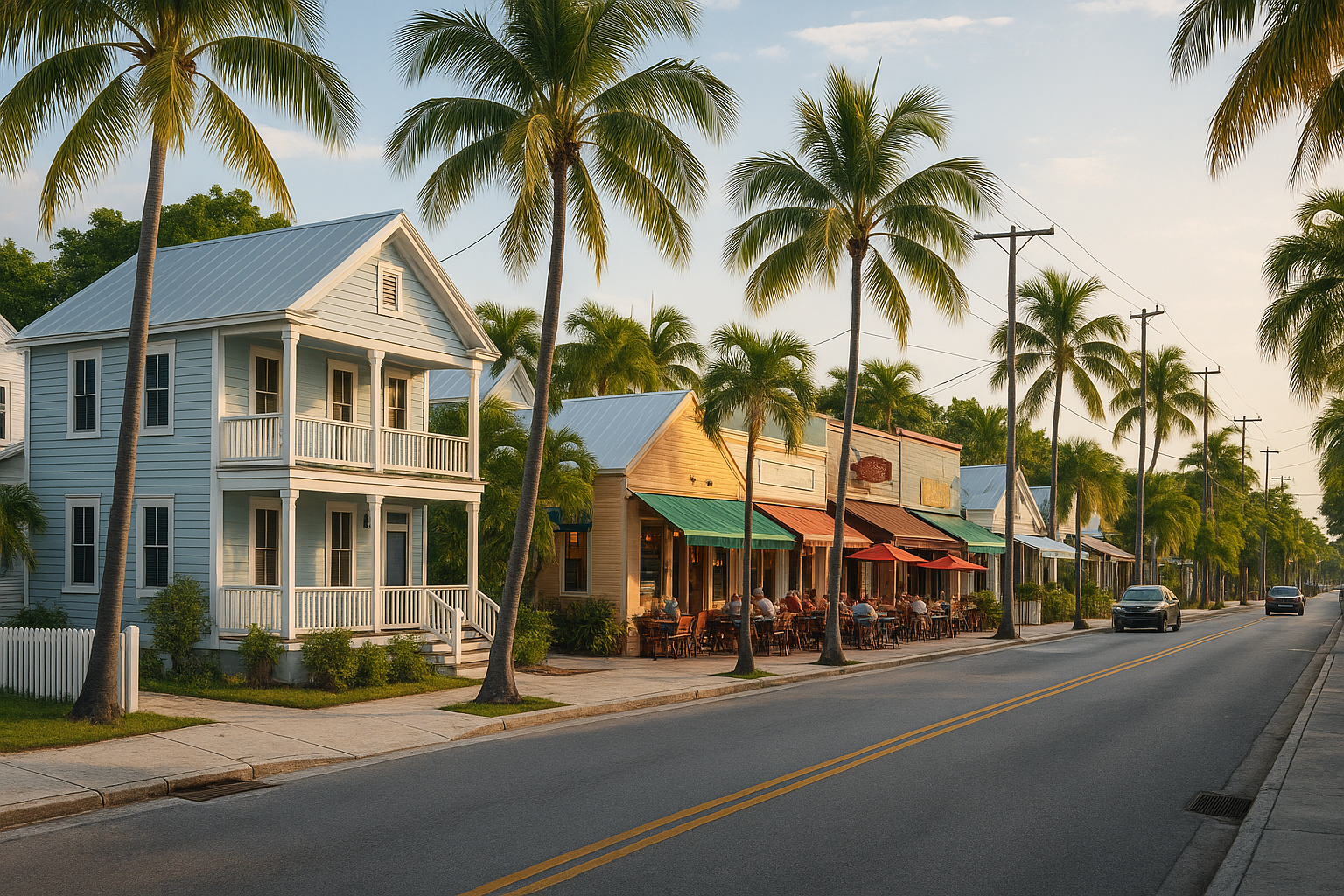
  • Key West Food and Real Estate: A 2026 Homebuyer’s Guide to Neighborhood Fit in Key West, FL

    Key West Food and Real Estate: A 2026 Homebuyer’s Guide to Neighborhood Fit in Key West, FL

    Key West Food and Real Estate: A Homebuyer’s Guide to Neighborhood Fit in Key West, FL

    In Key West, FL, the way you eat shapes the way you live. From walkable clusters of conch fritters and key lime pie to sunset seafood on the water, the city’s dining culture silently guides where buyers plant roots. If you’re a homeowner or shopper deciding between Old Town charm and New Town convenience, understanding how Key West Food aligns with neighborhood vibe, walkability, and daily tradeoffs can help you make a smarter move—and love your routine after closing.

    Why Key West Food Matters for Homebuyers

    Key West Food isn’t just a menu; it’s a map of daily life. Proximity to restaurants influences whether you’ll stroll to dinner, bike to brunch, or rely on a car. It affects parking needs, HOA considerations (like grilling rules), insurance costs tied to flood zones near low-lying eateries, and even resale appeal. For many buyers in Key West, FL, the right address is the one that puts favorite plates and calm nights into the same lifestyle picture.

    Mapping Key West Food to Neighborhoods

    Old Town and Duval Street: Walk-to-Everything Eating

    Old Town is the epicenter of walkable Key West Food, with dense clusters of cafes, dessert spots, and late-night bites. Living here means leaving the car at home and embracing a pedestrian routine. The tradeoff is noise from late-night crowds and tighter parking. Housing ranges from historic Conch cottages to condos and renovated homes. Buyers should weigh charm and walkability against budget, limited off-street parking, and potential short-term rental traffic on nearby streets.

    Historic Seaport: Waterfront Dining and Dockside Energy

    The Historic Seaport brings together marina views and seafood-centered Key West Food, all within a compact, strollable grid. It’s ideal if you want to bike to dinner on the boardwalk and watch boats glide in at sunset. Expect premium pricing and occasional event buzz. Consider flood-zone implications along the waterfront and review any condo association rules if you’re eyeing a low-maintenance unit near the marinas.

    Bahama Village: Culture, Community, and Comfort Food

    Bahama Village offers a community-forward setting and easy access to soulful Key West Food. Streets here lead to a mix of neighborhood eateries and public spaces, attractive to buyers who value local culture and a slower pace. Homes include colorful cottages and small single-family properties. Street parking can be competitive on popular dining nights, so private parking or a convenient bike setup adds daily comfort.

    Casa Marina and The Meadows: Quiet Blocks, Easy Dining Access

    Casa Marina and The Meadows sit near beaches and boutique spots while staying calmer than the busiest corridors. You’ll still enjoy nearby Key West Food but with more residential breathing room. Many homes have yards and off-street parking, a win for owners who entertain or prefer grilling at home. Insurance and elevation vary block by block; check property-specific data if you want to live close to cafes without taking on unnecessary flood risk.

    Midtown: Central Balance and Bikeable Bites

    Midtown offers a balanced lifestyle: quieter than tourist-centric streets, yet close enough to bike to neighborhood bakeries, coffee, and casual dining. Buyers seeking space for storage, kayaks, or pets often find value here. The food scene is less dense than Old Town, but Midtown keeps you a quick ride from multiple clusters, making it a practical base for enjoying Key West Food without late-night noise at your doorstep.

    New Town: Everyday Convenience and Easy Parking

    New Town is built for convenience—with larger grocery stores, casual dining corridors, and ample parking. If your version of Key West Food includes easy weeknight takeout and quick errands, this side of Key West, FL, may be a fit. Housing tends toward newer single-family homes and some townhomes. It’s not as walkable to historic dining districts, but the tradeoff is space, parking, and simpler logistics for families or full-time residents.

    Truman Annex: Gated Calm Near the Action

    Truman Annex blends manicured streets and a gated feel with fast access to Old Town restaurants. It’s appealing for buyers who want polished landscaping and proximity to dining without living directly on the loudest blocks. Review HOA rules, including grilling and short-term rental policies, to ensure they match your lifestyle. For many, the convenience of strolling to dinner while returning to a peaceful enclave is the winning formula.

    Walkability, Parking, and Daily Tradeoffs

    Walkability is a top driver for food lovers in Key West, FL. In walkable cores, you’ll save time and enjoy spontaneity—just remember that limited parking and evening foot traffic are part of the deal. If you entertain at home, prioritize off-street parking or wider lots. If late-night noise is a concern, target a block or two off the busiest corridors, where you can still walk to Key West Food without a party under your bedroom window. In less dense areas, a reliable bike or scooter setup bridges the gap between peaceful streets and your favorite dining spots.

    Flood Zones and Insurance Near Popular Eateries

    Some of the most in-demand dining areas sit in low-lying parts of Key West, FL. Before you fall for a location-based lifestyle, verify elevation, flood zone, and insurance costs for the specific property. Waterfront-adjacent homes and condos near docks or marinas may have higher premiums. Shop insurers early, consider mitigation features (elevated mechanicals, storm shutters), and treat flood readiness as part of the true cost of living close to Key West Food.

    Condo vs. Single-Family for Food Lovers

    Condos keep you close to dining with minimal maintenance, but HOAs may limit outdoor cooking or late-night gatherings. Review grill policies, quiet hours, and any restrictions related to odors or balcony use if your lifestyle includes frequent al fresco meals. Single-family homes give more freedom for outdoor kitchens, herb gardens, and parking for guests heading to dinner with you. If you plan to test recipes and host often, a single-family layout may align better with your Key West Food lifestyle.

    How Key West Food Influences Value and Resale

    Proximity to beloved restaurants can enhance desirability, shorten days on market, and support strong resale—especially in Old Town and waterfront-adjacent pockets. The same locations can carry premiums and higher carrying costs. When evaluating value, look beyond distance to include noise levels, parking, flood risk, and seasonal crowd patterns. Buyers who balance these factors often enjoy the best of Key West Food while preserving long-term satisfaction and market resilience.

    Investor Angle: Festivals, Seasonality, and Rental Potential

    Food-related events and peak dining seasons drive short-term rental demand near popular corridors. If your strategy includes rentals, confirm local rules and HOA policies, then analyze how proximity to dining impacts occupancy versus owner-usage comfort. A property one block off a lively street can outperform by offering access to Key West Food with better sleep quality for guests and owners alike.

    Buyer Tips: Matching Your Plate to Your Place

    • Rank your top five go-to spots and map walking or biking times from each target property.
    • Visit at night and on weekends to check noise, parking, and crowd flow.
    • Ask about HOA rules on grilling and outdoor dining before you fall in love with a balcony.
    • Pull flood and elevation data early; compare insurance quotes across two or three addresses.
    • If you entertain often, prioritize off-street parking and outdoor space.
    • Test your commute to grocery stores in New Town versus your favorite Old Town eateries.
    • Consider a bike/scooter solution if you want quiet streets with fast access to Key West Food.

    FAQ: Key West Food and Real Estate in Key West, FL

    What neighborhoods offer the best access to fresh seafood restaurants?

    Old Town and the Historic Seaport put you closest to dockside seafood and sunset dining. Bahama Village adds cultural flavor within walking distance of local favorites. Each of these areas provides strong access to Key West Food with different tradeoffs in noise, parking, and price.

    How does the local food culture influence condo vs. single-family decisions?

    If you want low maintenance near restaurants, condos around Old Town or the Seaport are compelling. Review HOA rules on grilling and quiet hours. If outdoor cooking and hosting are priorities, a single-family home in Midtown, The Meadows, or Casa Marina offers more flexibility while staying close to Key West Food.

    Are there flood-zone considerations for homes near popular eateries?

    Yes. Low-lying streets near waterfront dining may carry higher flood risk and insurance premiums. Always verify elevation and mitigation features for the exact property. Living close to Key West Food can be rewarding—just make insurance part of your budgeting and due diligence.

    What lifestyle benefits come with buying in New Town versus Old Town for food enthusiasts?

    Old Town delivers dense, walkable dining and nightlife; great for spontaneous evenings. New Town provides easier parking, bigger stores for weekly shopping, and space for entertaining at home. Both connect you to Key West Food, but the daily rhythm differs: stroll-and-sip in Old Town versus convenient, car-friendly routines in New Town.

    Does proximity to restaurants impact property values in Key West, FL?

    Yes. Properties near beloved dining clusters often see stronger demand and rental interest. That premium comes with tradeoffs—noise, limited parking, and, in some spots, higher insurance. Buyers who balance location perks with practical costs tend to enjoy the best returns tied to Key West Food access.

    How can residents manage parking near busy dining areas?

    Consider homes with off-street parking, explore residential permits, and keep bikes or scooters for quick trips. Living one or two blocks off the busiest corridors can maintain walkability to Key West Food while easing parking stress.