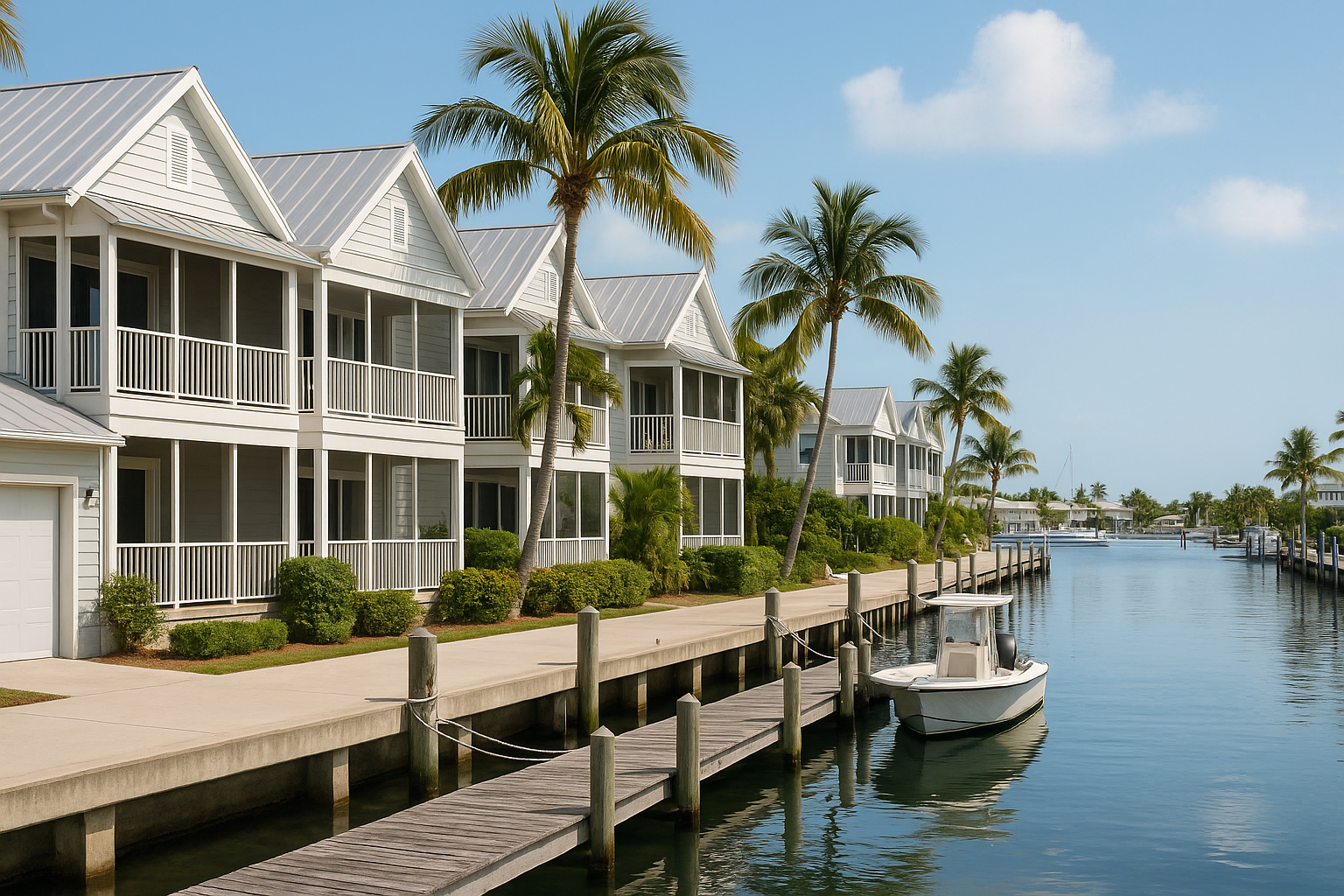
Choosing a waterfront condo in Key West, FL is a uniquely local decision. Views and sea breezes are only part of the story—daily life here is shaped by walkability, marina access, flood zones, HOA rules, and how close you are to Duval Street and the Historic Seaport. Use this Key West waterfront condo checklist as your practical guide to weigh lifestyle benefits against ownership costs, so you can buy with confidence in the island’s most coveted settings.
Why a Key West waterfront condo checklist matters
Inventory is limited on this small island, and each waterfront building can feel very different from the next. A methodical Key West waterfront condo checklist helps you compare apples to apples: how the location fits your routines, how a building handles tropical weather, what you’ll pay for insurance and HOA fees, and how rental or renovation rules might affect your plans. This is local, market-aware due diligence—not generic advice.
Location fit: Old Town vs New Town waterfront
In Key West, FL, “waterfront” can mean boardwalks by the Historic Seaport, open-ocean frontage along South Roosevelt Boulevard, or bay-facing condos on the north side of the island. Where you buy will shape everything from your sleep quality to your grocery runs.
Old Town waterfront considerations
- Walkability: Old Town waterfront near the Historic Seaport puts restaurants, galleries, and Duval Street within an easy stroll. This is a prime choice if you want to step out for dinner instead of driving.
- Noise and privacy: Proximity to Duval Street and busy docks can mean early charter departures, music, and pedestrian activity. Visit at different hours to gauge ambient noise and dock operations.
- Parking and storage: Many Old Town condo communities prioritize location over car space. Expect one assigned spot at best, limited guest parking, and tight storage for bikes, paddleboards, and fishing gear.
- Character vs. convenience: You’ll find charming, smaller buildings with unique layouts. Tradeoff: less uniformity in amenities and potentially higher per-unit maintenance when common elements need work.
New Town waterfront considerations
- Modern amenities and scale: Larger communities in New Town often offer elevators, pools, tennis, on-site management, and more predictable parking.
- Walkability tradeoffs: You’ll likely be farther from Duval Street nightlife but closer to daily essentials along major corridors—groceries, pharmacies, and services. If you value quiet evenings and straightforward parking, this can be a win.
- Oceanfront vs. bayside feel: Oceanfront stretches along South Roosevelt Boulevard emphasize breezes, sunrise walks, and bike paths; bayside stretches offer sunsets and calmer waters. Visit at high tide, low tide, and windy days to feel the difference.
Flood zones, elevation, and weather resilience
On an island, elevation and construction details matter. Use this portion of the Key West waterfront condo checklist to scrutinize storm readiness:
- Flood zone verification: Confirm the FEMA flood zone for the exact building and unit location. In Key West, AE and VE designations are common on the waterfront; VE typically carries stricter standards and higher premiums.
- Elevation certificates: Ask for a current elevation certificate for the building and, if available, for the unit floor. Compare finished floor elevation to Base Flood Elevation (BFE).
- Impact protection: Look for impact-rated windows/doors or approved shutters. Verify installation dates and permits, and confirm the HOA’s storm protocols for common areas.
- Drainage and ground-level storage: Inspect how water sheds during rain. Ground-level storage rooms should be designed for flood exposure or relocated above flood levels.
- Generator policies: Some associations allow building generators or battery back-up systems; understand rules, fuel storage plans, and maintenance responsibilities.
Marina and boating access reality check
Key West’s boating culture is a major draw, but dockage is not one-size-fits-all.
- Deeded slips vs. association docks: Verify whether a slip is deeded with the unit, assigned by the association, or available via waitlist. Ask about size limits, lift capacity, and usage hours.
- Depth, draft, and wake: Inquire about channel depth at low tide and exposure to wakes. Test a run from the property to open water during typical winds and tides.
- Rules and fees: No liveaboard policies are common. Review maintenance fees for docks, pilings, and seawalls, plus insurance requirements for boat owners.
- Nearby options: If on-site dockage is limited, check practical proximity to Garrison Bight and the Historic Seaport for alternative berthing or charters.
HOA rules, budgets, and special assessments
Island associations vary widely. Read before you fall in love with the view:
- Rental policies: Many waterfront associations restrict rentals to 30 days or longer. Shorter stays may require a specific transient license, and not all properties qualify. Confirm minimum terms, approval timelines, and any caps on the number of rental units.
- Renovations and approvals: Balconies, windows, flooring, and exterior-facing work often need HOA and city permits. Clarify allowable materials, noise hours, and insurance certificates required from contractors.
- Budgets and reserves: Review reserve studies, funding levels, and recent special assessments. Waterfront buildings face recurring costs for seawalls, docks, concrete restoration, and roofs—healthy reserves matter.
- Milestone inspections: Ask for the latest structural inspection reports, schedules, and any planned remediation. Understand how upcoming projects may affect use of amenities and your budget.
Insurance and carrying costs
Waterfront premiums in Key West, FL reflect exposure and building features.
- Master policy: Request the HOA’s windstorm and flood policies. Note deductibles, coverage limits, and exclusions that may increase your costs.
- HO-6 coverage: Price your interior policy with realistic assumptions about your unit’s elevation, openings protection, and upgrades.
- Fee transparency: Break down monthly HOA dues by line item—insurance share, dock and pool maintenance, security, reserves—so you’re comparing total carrying costs across buildings.
Noise, privacy, and daily-life tradeoffs
- Tourist activity: Units facing active docks near the Historic Seaport may experience early charter departures and evening returns. Walk the boardwalks at peak times to gauge energy and sound.
- Event and flight paths: Oceanfront buildings along South Roosevelt Boulevard can experience aircraft noise and event traffic on big weekends. Ask residents and property managers for honest feedback.
- Unit placement: Higher floors can reduce foot-traffic noise; interior courtyards can buffer street sounds. Corner stacks may add privacy but can be windier.
Parking, storage, and mobility
- Assigned spaces: Confirm the number of deeded or assigned spots per unit, guest parking rules, and any EV charging options.
- Bike and scooter logistics: Many residents rely on bikes and scooters. Check for secure racks or rooms and confirm HOA policies.
- Walkability reality: From Old Town waterfront, errands and dining are mostly on foot. From New Town waterfront, you’ll likely bike or drive to Duval Street but have closer access to daily shopping.
Your Key West waterfront condo checklist
Use this condensed Key West waterfront condo checklist during tours and before making an offer:
- Does the location match your lifestyle—Old Town walkability or New Town convenience?
- What is the exact flood zone, BFE, and unit/building elevation? Are impact openings in place?
- How are docks, slips, and seawalls managed? Is there a waitlist and what are the fees?
- What are the HOA rental rules, approval timelines, and minimum lease terms?
- What’s the health of reserves and the status of structural inspections and planned projects?
- What are total monthly carrying costs including HOA dues, master insurance share, and utilities?
- How noisy is the area at morning charter hours and weekend evenings? Visit at multiple times.
- How many parking spaces come with the unit, and what is the guest parking situation?
- Where will you store bikes, boards, and boating gear?
- Are there any pending special assessments or insurance deductible increases?
- What are the renovation restrictions for windows, balconies, and flooring?
- How quickly can you access groceries, pharmacies, and medical services from this location?
Buyer profiles and tradeoffs to consider
- Lock-and-leave owners: Prioritize newer impact openings, strong reserves, and simple parking. Accept slightly less walkability for lower noise if that suits your routine.
- Active boaters: Focus on reliable dockage, depth at low tide, and practical proximity to fuel and maintenance. Clarify HOA rules on trailering and gear storage.
- Seasonal landlords: Confirm rental minimums and approval times. Units without short-term permissions may still cash-flow seasonally under 30+ day terms—but model conservatively.
Key West waterfront condo FAQs
What are the key differences between waterfront condos in Old Town and New Town Key West?
Old Town waterfront emphasizes walkability to the Historic Seaport and Duval Street, with charming buildings, tighter parking, and more ambient activity. New Town waterfront typically delivers larger communities, easier parking, broader amenities, and quieter evenings, but you’ll likely bike or drive for dining and nightlife. Both offer strong views; the right fit depends on your daily routine.
How can I check flood zones for a Key West waterfront condo?
Ask for the building’s elevation certificate and reference the FEMA Flood Map Service Center with the property’s Key West address. Confirm whether the building sits in AE or VE and compare finished floor elevation to BFE. Then get real quotes for flood and wind policies based on those specifics.
What HOA fees should I expect for waterfront condos in Key West?
Fees vary by building scale, amenities, and insurance costs. Expect line items for master wind and flood policies, reserves, common area maintenance, and, where applicable, docks and seawalls. The most reliable comparison is total monthly carrying cost per unit, not just the headline HOA fee.
Are short-term rentals allowed in Key West waterfront condo associations?
Many associations require 30-day minimums and prohibit weekly or nightly rentals. Shorter terms generally require a specific transient license, and not all properties qualify. Always verify the recorded condo documents and board policies—don’t rely on listing remarks alone.
What lifestyle perks come with owning a waterfront condo in Key West?
Beyond views, day-to-day perks include quick access to the boardwalks, bike paths along the water, sunrise or sunset routines depending on orientation, and, where available, on-site or nearby boating. Use this Key West waterfront condo checklist to confirm those perks align with noise tolerance, parking needs, and your preferred neighborhood pace.
Next steps
Save this Key West waterfront condo checklist and bring it to showings. Visit candidate buildings at different times of day, request full HOA and insurance documents up front, and pressure-test your budget with realistic premiums and reserves. With a local, checklist-driven approach, you’ll match the right waterfront view to the right daily life in Key West, FL.
Leave a Reply