Category: Home Buying

  • Key West Housing Market 2026: Neighborhood Tradeoffs, Climate Realities, and Smart Buying in Key West, FL

    Key West Housing Market 2026: Neighborhood Tradeoffs, Climate Realities, and Smart Buying in Key West, FL

    If you are planning a move or a strategic sale in Key West, FL, the Key West housing market 2026 will be shaped by our island’s fixed footprint, walkable historic neighborhoods, and climate-aware homeownership. Here is a practical, local-first outlook designed to help buyers and homeowners make confident decisions rooted in the way Key West actually lives.

    Snapshot: What the Key West housing market 2026 may look like

    Demand in Key West, FL isn’t a mystery: people choose this island for its close-knit neighborhoods, front-porch culture, and the ability to live by foot, bike, or scooter. Supply is equally simple—there’s only so much land. That means the Key West housing market 2026 will likely continue to be defined by limited inventory, careful renovations, and lifestyle-driven choices between walkability and space. Expect faster-moving, well-priced listings in prime walkable areas and steady interest in elevated or storm-hardened homes across the island.

    • Inventory: Constrained by our island boundaries and historic protections; buyers should be prepared for selective competition on well-located properties.
    • Condition: Renovated homes with impact windows, newer roofs, and smart flood adaptations will see stronger interest and appraisal support.
    • Lifestyle fit: Walkability, parking, scooter storage, and boating access will continue to drive value differences block by block.

    In short, the Key West housing market 2026 rewards preparation. Local lending, insurance pre-quotes, and a sharp eye for neighborhood micro-trends will matter as much as price.

    Neighborhood dynamics: Old Town charm vs. New Town convenience

    Every buyer in Key West, FL faces the same core question: How much do you value walkability and historic character versus parking, yard space, and newer systems? The answer often determines your best neighborhood fit in the Key West housing market 2026.

    Old Town: Historic, walkable, and character-rich

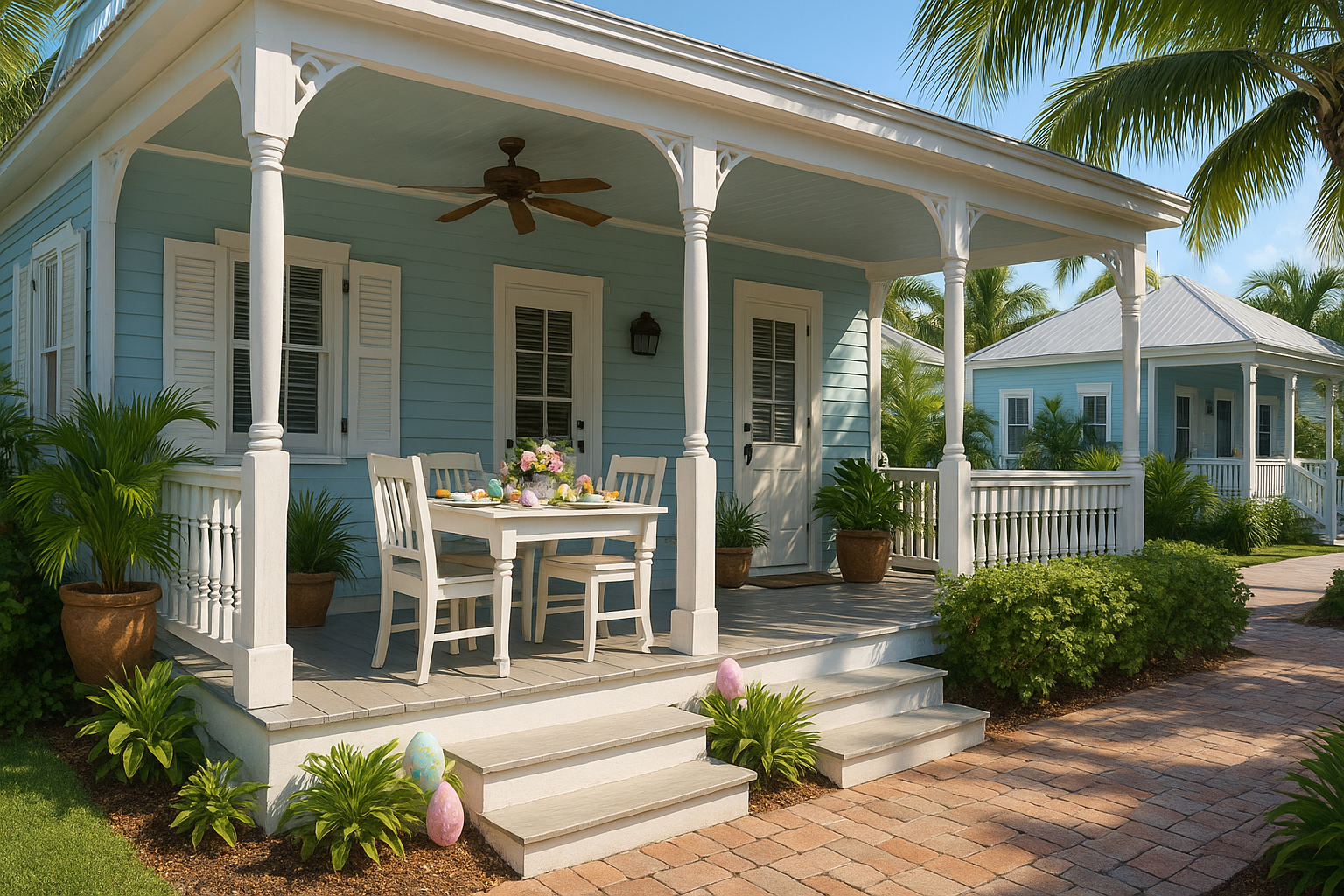
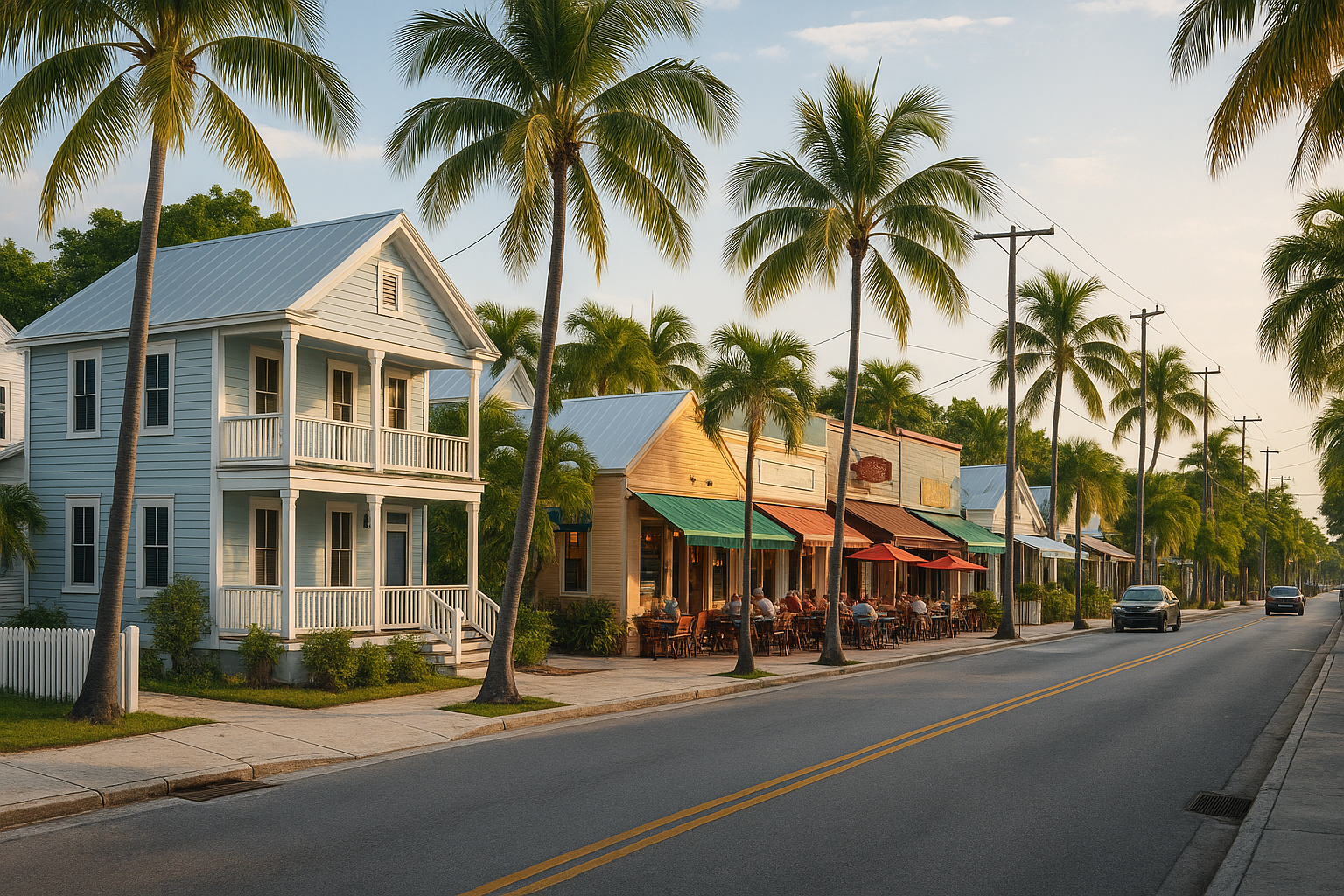
    Old Town’s palm-lined lanes, historic cottages, and front porches remain the essence of Key West living. From the Historic Seaport to the Meadows, Casa Marina, Bahama Village, and Truman Annex, you get unbeatable walkability to cafés, small grocers, and local services. The tradeoffs are predictable: tighter parking, smaller lots, older plumbing/electrical in some homes, and careful permitting for exterior changes in the historic district. Flood zones vary by street; higher-elevation blocks with documented improvements—such as elevated mechanicals, flood vents, and impact glass—tend to command premiums.

    Who thrives here: buyers who prioritize daily walkability, heritage architecture, and a front-porch social life. If that’s you, the Key West housing market 2026 will likely reinforce Old Town’s pricing resilience, especially for move-in-ready homes with documented wind and flood mitigation.

    New Town: Space, convenience, and modern systems

    New Town offers comparatively larger lots, driveways, and easier access to supermarkets, schools, and service providers within Key West, FL. Many homes here have more recent roofs, impact windows, or CBS construction, easing insurance conversations. The tradeoff: it’s less walkable for daily errands, so plan for more driving or biking. Condos and townhomes are more common, which introduces HOA fees and rules that can shape affordability and rental flexibility.

    Who thrives here: families and full-time residents seeking extra storage, a yard, and simpler parking. In the Key West housing market 2026, New Town’s value story will hinge on condition, elevation, and insurance-friendly features as much as bedroom counts.

    Midtown, Casa Marina, and the Meadows: In-between options

    Midtown blends proximity and space, providing bikeable access to Old Town while preserving quieter residential streets. Casa Marina offers high-end homes with beach access and mature tree canopies. The Meadows feels secluded yet close to the Historic Seaport. Across these pockets, buyers in 2026 should weigh block-level elevation, parking layouts, and renovation quality—fine-grained differences that drive value in Key West, FL.

    Climate and insurance: Practical realities for 2026 buyers and owners

    Climate considerations are part of owning in Key West, FL. They don’t have to be intimidating if you evaluate them like a local. In the Key West housing market 2026, expect buyers and insurers to reward homes with:

    • Impact windows/doors or shutters, documented wind-mitigation features, and roof geometry favorable for wind credits.
    • Raised or protected mechanicals (HVAC, water heaters, electrical panels), flood vents where appropriate, and sealed crawlspaces.
    • Elevation certificates and clear permitting histories, helping underwriters price risk more confidently.

    When comparing homes in Key West, FL, look beyond listing photos. Request recent insurance quotes from local agents early, factor premium ranges into monthly budgets, and use inspection periods to verify flood-zone designations and substantial-improvement rules. In 2026, a house’s adaptability—rather than just its address—will be central to value retention.

    Buyer strategies for the Key West housing market 2026

    • Get local pre-approval and preliminary insurance quotes before touring. This strengthens offers and clarifies your true monthly costs.
    • Prioritize condition over square footage. Updated roofs, impact glass, and elevated systems may reduce insurance friction and protect long-term value.
    • Walk the block twice—day and night. Note scooter/bike storage, street lighting, and typical noise patterns so the lifestyle matches your expectations.
    • Verify permits and improvements. Confirm finaled permits for additions, pools, and major systems through the City of Key West so you know what you’re inheriting.
    • Plan for parking. In Old Town, decide whether you’ll rely on scooters, bikes, or street parking; in New Town, confirm driveway size and boat-trailer policies.

    These habits separate smooth closings from surprises in the Key West housing market 2026—and ensure the home you buy fits the way you actually live in Key West, FL.

    Condo and HOA reality check for 2026

    Condos and townhomes in Key West, FL remain practical entry points, but the details matter. Review budgets, reserve studies, and insurance coverage line by line. Ask about planned roof, elevator, or seawall projects that could trigger special assessments. Understand rental rules—particularly transient licensing limits in Key West—and how minimum lease terms affect your cash-flow plans. In the Key West housing market 2026, financially healthy associations with transparent maintenance planning will attract both end-users and investors.

    Pricing and rental outlook without the hype

    Key West’s island constraints, historic preservation, and height limits temper large-scale new supply. That keeps focus on stewardship: renovations, storm hardening, and thoughtful use of outdoor space. In the Key West housing market 2026, expect renovated, well-situated homes to maintain strong buyer interest, while properties needing significant updates will trade at discounts that reflect construction logistics and permitting timelines within Key West, FL. For owners, targeted improvements—impact protection, roofing, drainage, and efficient HVAC—can strengthen both enjoyment and resale power.

    For rental-minded buyers, be crystal clear on licensing and minimum stays, parking capacity, and neighbor expectations. Blocks with quieter profiles or better parking can outperform if they align with permitted rental terms in Key West, FL.

    Walkability, transportation, and daily living fit

    Walkability in Key West, FL is a premium feature, but it intersects with practical needs. In Old Town, many owners lean on bikes and scooters; think about where you’ll store them out of the weather. If you work from home, confirm cellular signal and internet options on the exact block you’re considering. If boating is part of your lifestyle, proximity to ramps or slips can shape long-term value more than an extra bedroom. The Key West housing market 2026 will continue to reward homes that balance these daily-life details.

    FAQs: Key West housing market 2026

    What trends should I expect in the Key West housing market 2026?

    Ongoing low inventory, premium pricing for renovated and storm-hardened homes, and strong interest in walkable Old Town corridors. Expect careful due diligence on insurance, elevation, and permitting to remain central to every serious offer in Key West, FL.

    How might climate considerations affect Key West real estate in 2026?

    Homes with impact protection, newer roofs, elevated systems, and clear flood data will likely see smoother insurance experiences and more resilient demand. Buyers should collect quotes early and use inspections to confirm mitigation features.

    Is Old Town or New Town a better fit for families moving to Key West, FL?

    Old Town offers walkability and character; New Town typically offers more parking, storage, and newer systems. For many families, New Town’s space and simpler logistics win. If you value daily strolls, quick café access, and historic charm, Old Town is hard to beat—just plan for parking and potential renovation stewardship.

    What lifestyle factors influence home buying in Key West for 2026?

    Walkability, parking, scooter/bike storage, boating access, flood-zone location, and HOA or condo rules. Align these with your daily routines before you write an offer in Key West, FL.

    What are the projected impacts of tourism on Key West housing availability in 2026?

    Tourism supports local businesses and service jobs that help sustain housing demand. It also reinforces the value of well-located homes and licensed rentals. Strict adherence to local rental rules will continue to shape availability within Key West, FL.

    How do flood zones influence property values in Key West neighborhoods?

    Elevation, mitigation features, and documented improvements can offset some concerns. Streets with higher ground or homes with elevated mechanicals, flood vents, and impact protection tend to see steadier demand. Always verify flood-zone data and recent insurance quotes specific to the property.

    Old Town vs. New Town: Which is better for investment by 2026?

    Old Town’s scarcity and walkability favor long-term desirability, particularly for well-renovated homes. New Town may offer stronger cash-flow math due to lower maintenance in some cases and easier parking. Your plan—personal use vs. rental, renovation appetite, and parking needs—should drive the decision in Key West, FL.

    What should buyers know about condo living and HOAs in Key West?

    Study reserves, insurance policies, and pending projects. Understand rental limits and minimum stay rules. In 2026, associations with clear maintenance roadmaps and adequate reserves will be more resilient in the Key West housing market.

    Bottom line for the Key West housing market 2026

    The Key West housing market 2026 will be defined by island realities: finite land, neighborhood personality, and climate-aware ownership. Focus on lifestyle fit first—walkability, parking, storage, boating access—and then elevate condition and insurance readiness to the top of your checklist. Whether you’re drawn to Old Town’s porches or New Town’s practicality, the best move in Key West, FL is the one that matches how you actually live—and is built to weather what the island brings.

    Ready to align your search with daily-life priorities in Key West, FL? Reach out for a block-by-block strategy tailored to your goals, budget, and timeline.
    Key West real estate trends 2026, Future of Key West homes 2026, Key West property market outlook 2026, 2026 Key West housing projections.

  • Key West Easter 2026: A Local Real Estate Guide for Buyers and Homeowners

    Key West Easter 2026: A Local Real Estate Guide for Buyers and Homeowners

    Why Key West Easter 2026 matters for homebuyers and homeowners

    Key West Easter 2026 lands in a sweet spot for weather, walkability, and festive energy in Key West, FL. For buyers and owners, this isn’t just a holiday on the calendar—it’s a real-time stress test of neighborhood fit, parking realities, noise levels, and the true value of being close to beaches, parks, and Duval Street traditions. If you’re weighing a purchase or prepping your property for the season, watching how the city moves during this weekend offers actionable clues.

    Expect bustling brunch reservations, families on bikes headed to sunrise services by the water, and kid-friendly egg hunts around parks and beaches. That mix of activity highlights the advantages of homes with off-street parking, secure bike storage, shaded porches, and easy access to the waterfront. Key West Easter 2026 also amplifies demand for short stays, a key consideration if your property carries a legal transient rental license or you’re evaluating a condo with flexible rental options.

    For sellers, staging outdoor spaces and showcasing hurricane-ready improvements (impact windows, shutters, and elevated systems) can resonate with Easter visitors imagining year-round island living. For buyers, touring during Key West Easter 2026 provides a ground-level sense of walkability, crowd flow, and the day-to-night soundscape on your target block.

    Neighborhood fits for Key West Easter 2026 living

    Old Town and the Historic District: walkable tradition near Duval Street

    Old Town’s conch houses put you within steps of holiday happenings along Duval Street and nearby churches that anchor Easter services and music. The tradeoff is activity and limited parking. If you prioritize strolling to brunch and bonnet strolls, focus on blocks with better off-street parking or resident-permit access. Shotgun cottages and conch homes with porches excel for greeting guests, while smaller lots mean less private yard space for family egg hunts. During Key West Easter 2026, observe street closures and sound levels at different times of day to gauge comfort.

    Truman Annex and Casa Marina: quiet elegance near the action

    Gated streets in Truman Annex and the gracious blocks of Casa Marina offer refined calm within easy reach of the waterfront, beaches, and Old Town dining. Buyers who love the holiday energy but want a peaceful base gravitate here. Expect HOA oversight in Truman Annex, which helps maintain curb appeal but may outline rental constraints; review docs closely if you envision Easter-week short stays. In Casa Marina, look for homes with lanais and pools that make holiday hosting effortless.

    Midtown: family-friendly space and bike-first convenience

    Midtown blends neighborhood quiet with quick bike routes to beaches, Bayview Park, White Street Pier, and Old Town. Larger yards accommodate outdoor egg hunts and shaded gatherings. If Key West Easter 2026 is a preview of future family traditions, Midtown’s single-family homes with driveways, storage, and room for guests check practical boxes while keeping you minutes from the festivities.

    New Town: value, parking, and easy holiday logistics

    New Town delivers space, garages, and easier parking—big wins when visitors arrive. Condos along Roosevelt Boulevard and single-family streets east of Midtown often provide more modern construction and straightforward maintenance. While New Town lacks Old Town’s architectural romance, the convenience is real: smoother airport access, simpler grocery runs for Easter brunch, and less congestion at peak hours. If you’re balancing budget with comfort during Key West Easter 2026, New Town can be a smart fit.

    Short-term rentals and Key West Easter 2026 demand

    Transient licenses and condo rules

    Short-term rental potential during Key West Easter 2026 can be strong—but only where it’s legal. In Key West, FL, transient rentals (stays under 30 days) require a valid transient license tied to the property. These licenses are limited and highly regulated. Many condos and HOAs also impose minimum-stay rules. Before you underwrite Easter-week income, verify zoning, license status, and association documents. If a condo’s rules allow 30+ day rentals only, you’ll attract longer seasonal tenants rather than Easter weekenders.

    Pricing, occupancy, and guest preferences

    Holiday calendars drive premium pricing for properties with walk-to-everything access, off-street parking, a pool, and quiet bedrooms away from street noise. One- and two-bedroom conch cottages near Duval Street draw couples, while larger Midtown and New Town homes with yards and parking suit families. If your goal is Key West Easter 2026 bookings, highlight bike storage, beach gear closets, kid-friendly outdoor areas, and shaded dining nooks in your listing strategy.

    Touring homes during Key West Easter 2026

    Scheduling strategies

    Inventory near the action is limited, and occupied vacation homes can be booked solid. Secure showing windows early, favor morning slots before brunch rush, and allow time to move by foot or bike between Old Town appointments. Ask your agent for 3D tours and floor plans to pre-qualify homes so every in-person visit counts during Key West Easter 2026.

    Access, parking, and show-ready tips

    Street closures and resident-only parking zones affect access near Duval Street and the waterfront. Plan logistics, confirm lockbox locations, and consider valet-style ride drop-offs to avoid circling for spaces. For sellers, reduce friction: provide clear entry instructions, cool interior temps, and tidy outdoor spaces that emphasize breezes, shade, and practical storage. Little things help buyers picture holiday mornings unfolding on the porch.

    Ownership realities tied to the Easter season

    Flood zones, wind mitigation, and insurance

    Waterfront proximity and low elevation shape ownership costs in Key West, FL. Many properties sit in AE or VE flood zones, which can influence insurance and financing. Review elevation certificates, flood openings, finished-floor elevations, and the age of mechanicals. Wind mitigation features—impact windows, rated doors, and a strapped, sheathed roof—support stronger insurance profiles. If you’ll host family during Key West Easter 2026, resilience planning doubles as comfort: operable shutters, portable generators, and protected outdoor areas keep gatherings smooth in spring squalls.

    Outdoor living upgrades for holiday hosting

    Islands live outside. High-value upgrades include a heated plunge pool for shoulder-season comfort, retractable awnings for mid-day sun, outdoor showers for sandy beach returns, and storage for bikes and strollers. In Old Town, invest in porch fans and privacy landscaping; in Midtown and New Town, tune lawn irrigation and fence lines for kid-friendly play. Thoughtful improvements translate directly into enjoyment during Key West Easter 2026 and bolster resale appeal.

    Frequently asked questions: Key West Easter 2026 real estate

    When is Easter 2026 and what Key West events should property buyers plan around?

    Easter 2026 falls on April 5. In Key West, FL, plan around sunrise services by the beach, family egg hunts in city parks, and church celebrations along and near Duval Street. Check the local calendar for any street closures or waterfront gatherings so your showing schedule and parking plan stay on track for Key West Easter 2026.

    How do flood zones in Key West impact buying a home for Easter getaways?

    Flood zones influence insurance, required mitigation, and long-term costs. Ask for an elevation certificate, confirm the base flood elevation, and review any prior flood claims. Homes elevated above base flood, with proper flood vents and impact protection, often see smoother underwriting. These factors matter year-round and are just as relevant when preparing for guests during Key West Easter 2026.

    What are the differences between Old Town and New Town for Easter rental properties?

    Old Town offers unmatched walkability to holiday festivities, which can command premium rates if the property carries a legal transient license. The tradeoffs are tighter parking and more street activity. New Town typically provides larger homes, garages, and quieter evenings—ideal for families staying longer than a weekend. Align your strategy with the legal ability to rent short-term, your target guest profile, and your comfort with holiday foot traffic during Key West Easter 2026.

    Can I use a Key West condo for short-term Easter rentals under local rules?

    It depends on two things: whether the specific unit holds a valid transient license and what the condo documents allow. Many associations require 30-day minimums. Verify both before you buy. If you cannot rent short-term, consider positioning the condo for seasonal stays and personal use around Key West Easter 2026 rather than weekend bookings.

    What lifestyle factors make Key West ideal for Easter family vacations and relocations?

    Walkability, bikes as daily transport, easy beach access, and an active calendar create memorable traditions. Practical features—off-street parking, shaded porches, pools, and secure storage—turn those traditions into low-stress routines. Touring during Key West Easter 2026 helps you test-drive that lifestyle in real time.

    Bottom line: Match the holiday energy to your long-term goals

    Use Key West Easter 2026 as your lens for neighborhood fit, rental strategy, and ownership priorities. If you crave front-row access to celebrations, weigh an Old Town conch home or a Truman Annex address with clear rental rules. If you want space for family and effortless logistics, Midtown and New Town deliver value and comfort. In every case, confirm flood and wind resilience, understand parking and access, and align rental expectations with the city’s licensing framework. That’s how a single holiday weekend becomes a confident, long-term Key West, FL real estate decision.

  • Key West Food and Real Estate: A 2026 Homebuyer’s Guide to Neighborhood Fit in Key West, FL

    Key West Food and Real Estate: A 2026 Homebuyer’s Guide to Neighborhood Fit in Key West, FL

    Key West Food and Real Estate: A Homebuyer’s Guide to Neighborhood Fit in Key West, FL

    In Key West, FL, the way you eat shapes the way you live. From walkable clusters of conch fritters and key lime pie to sunset seafood on the water, the city’s dining culture silently guides where buyers plant roots. If you’re a homeowner or shopper deciding between Old Town charm and New Town convenience, understanding how Key West Food aligns with neighborhood vibe, walkability, and daily tradeoffs can help you make a smarter move—and love your routine after closing.

    Why Key West Food Matters for Homebuyers

    Key West Food isn’t just a menu; it’s a map of daily life. Proximity to restaurants influences whether you’ll stroll to dinner, bike to brunch, or rely on a car. It affects parking needs, HOA considerations (like grilling rules), insurance costs tied to flood zones near low-lying eateries, and even resale appeal. For many buyers in Key West, FL, the right address is the one that puts favorite plates and calm nights into the same lifestyle picture.

    Mapping Key West Food to Neighborhoods

    Old Town and Duval Street: Walk-to-Everything Eating

    Old Town is the epicenter of walkable Key West Food, with dense clusters of cafes, dessert spots, and late-night bites. Living here means leaving the car at home and embracing a pedestrian routine. The tradeoff is noise from late-night crowds and tighter parking. Housing ranges from historic Conch cottages to condos and renovated homes. Buyers should weigh charm and walkability against budget, limited off-street parking, and potential short-term rental traffic on nearby streets.

    Historic Seaport: Waterfront Dining and Dockside Energy

    The Historic Seaport brings together marina views and seafood-centered Key West Food, all within a compact, strollable grid. It’s ideal if you want to bike to dinner on the boardwalk and watch boats glide in at sunset. Expect premium pricing and occasional event buzz. Consider flood-zone implications along the waterfront and review any condo association rules if you’re eyeing a low-maintenance unit near the marinas.

    Bahama Village: Culture, Community, and Comfort Food

    Bahama Village offers a community-forward setting and easy access to soulful Key West Food. Streets here lead to a mix of neighborhood eateries and public spaces, attractive to buyers who value local culture and a slower pace. Homes include colorful cottages and small single-family properties. Street parking can be competitive on popular dining nights, so private parking or a convenient bike setup adds daily comfort.

    Casa Marina and The Meadows: Quiet Blocks, Easy Dining Access

    Casa Marina and The Meadows sit near beaches and boutique spots while staying calmer than the busiest corridors. You’ll still enjoy nearby Key West Food but with more residential breathing room. Many homes have yards and off-street parking, a win for owners who entertain or prefer grilling at home. Insurance and elevation vary block by block; check property-specific data if you want to live close to cafes without taking on unnecessary flood risk.

    Midtown: Central Balance and Bikeable Bites

    Midtown offers a balanced lifestyle: quieter than tourist-centric streets, yet close enough to bike to neighborhood bakeries, coffee, and casual dining. Buyers seeking space for storage, kayaks, or pets often find value here. The food scene is less dense than Old Town, but Midtown keeps you a quick ride from multiple clusters, making it a practical base for enjoying Key West Food without late-night noise at your doorstep.

    New Town: Everyday Convenience and Easy Parking

    New Town is built for convenience—with larger grocery stores, casual dining corridors, and ample parking. If your version of Key West Food includes easy weeknight takeout and quick errands, this side of Key West, FL, may be a fit. Housing tends toward newer single-family homes and some townhomes. It’s not as walkable to historic dining districts, but the tradeoff is space, parking, and simpler logistics for families or full-time residents.

    Truman Annex: Gated Calm Near the Action

    Truman Annex blends manicured streets and a gated feel with fast access to Old Town restaurants. It’s appealing for buyers who want polished landscaping and proximity to dining without living directly on the loudest blocks. Review HOA rules, including grilling and short-term rental policies, to ensure they match your lifestyle. For many, the convenience of strolling to dinner while returning to a peaceful enclave is the winning formula.

    Walkability, Parking, and Daily Tradeoffs

    Walkability is a top driver for food lovers in Key West, FL. In walkable cores, you’ll save time and enjoy spontaneity—just remember that limited parking and evening foot traffic are part of the deal. If you entertain at home, prioritize off-street parking or wider lots. If late-night noise is a concern, target a block or two off the busiest corridors, where you can still walk to Key West Food without a party under your bedroom window. In less dense areas, a reliable bike or scooter setup bridges the gap between peaceful streets and your favorite dining spots.

    Flood Zones and Insurance Near Popular Eateries

    Some of the most in-demand dining areas sit in low-lying parts of Key West, FL. Before you fall for a location-based lifestyle, verify elevation, flood zone, and insurance costs for the specific property. Waterfront-adjacent homes and condos near docks or marinas may have higher premiums. Shop insurers early, consider mitigation features (elevated mechanicals, storm shutters), and treat flood readiness as part of the true cost of living close to Key West Food.

    Condo vs. Single-Family for Food Lovers

    Condos keep you close to dining with minimal maintenance, but HOAs may limit outdoor cooking or late-night gatherings. Review grill policies, quiet hours, and any restrictions related to odors or balcony use if your lifestyle includes frequent al fresco meals. Single-family homes give more freedom for outdoor kitchens, herb gardens, and parking for guests heading to dinner with you. If you plan to test recipes and host often, a single-family layout may align better with your Key West Food lifestyle.

    How Key West Food Influences Value and Resale

    Proximity to beloved restaurants can enhance desirability, shorten days on market, and support strong resale—especially in Old Town and waterfront-adjacent pockets. The same locations can carry premiums and higher carrying costs. When evaluating value, look beyond distance to include noise levels, parking, flood risk, and seasonal crowd patterns. Buyers who balance these factors often enjoy the best of Key West Food while preserving long-term satisfaction and market resilience.

    Investor Angle: Festivals, Seasonality, and Rental Potential

    Food-related events and peak dining seasons drive short-term rental demand near popular corridors. If your strategy includes rentals, confirm local rules and HOA policies, then analyze how proximity to dining impacts occupancy versus owner-usage comfort. A property one block off a lively street can outperform by offering access to Key West Food with better sleep quality for guests and owners alike.

    Buyer Tips: Matching Your Plate to Your Place

    • Rank your top five go-to spots and map walking or biking times from each target property.
    • Visit at night and on weekends to check noise, parking, and crowd flow.
    • Ask about HOA rules on grilling and outdoor dining before you fall in love with a balcony.
    • Pull flood and elevation data early; compare insurance quotes across two or three addresses.
    • If you entertain often, prioritize off-street parking and outdoor space.
    • Test your commute to grocery stores in New Town versus your favorite Old Town eateries.
    • Consider a bike/scooter solution if you want quiet streets with fast access to Key West Food.

    FAQ: Key West Food and Real Estate in Key West, FL

    What neighborhoods offer the best access to fresh seafood restaurants?

    Old Town and the Historic Seaport put you closest to dockside seafood and sunset dining. Bahama Village adds cultural flavor within walking distance of local favorites. Each of these areas provides strong access to Key West Food with different tradeoffs in noise, parking, and price.

    How does the local food culture influence condo vs. single-family decisions?

    If you want low maintenance near restaurants, condos around Old Town or the Seaport are compelling. Review HOA rules on grilling and quiet hours. If outdoor cooking and hosting are priorities, a single-family home in Midtown, The Meadows, or Casa Marina offers more flexibility while staying close to Key West Food.

    Are there flood-zone considerations for homes near popular eateries?

    Yes. Low-lying streets near waterfront dining may carry higher flood risk and insurance premiums. Always verify elevation and mitigation features for the exact property. Living close to Key West Food can be rewarding—just make insurance part of your budgeting and due diligence.

    What lifestyle benefits come with buying in New Town versus Old Town for food enthusiasts?

    Old Town delivers dense, walkable dining and nightlife; great for spontaneous evenings. New Town provides easier parking, bigger stores for weekly shopping, and space for entertaining at home. Both connect you to Key West Food, but the daily rhythm differs: stroll-and-sip in Old Town versus convenient, car-friendly routines in New Town.

    Does proximity to restaurants impact property values in Key West, FL?

    Yes. Properties near beloved dining clusters often see stronger demand and rental interest. That premium comes with tradeoffs—noise, limited parking, and, in some spots, higher insurance. Buyers who balance location perks with practical costs tend to enjoy the best returns tied to Key West Food access.

    How can residents manage parking near busy dining areas?

    Consider homes with off-street parking, explore residential permits, and keep bikes or scooters for quick trips. Living one or two blocks off the busiest corridors can maintain walkability to Key West Food while easing parking stress.