Author: Scott

  • Finding Denver Homes with Mountain Views: A Buyer’s Guide

    Finding Denver Homes with Mountain Views: A Buyer’s Guide

    Short answer: Yes — Denver homes with mountain views often command higher prices and sell faster, but the premium depends on view quality, orientation, and local comparables. Focus your search on neighborhoods like Golden, Evergreen, and higher-elevation pockets of southwest Denver, and prioritize inspections for hillside, drainage, and wildfire risk to protect value.

    Why mountain views matter in Denver

    A view of the mountains adds both market value and lifestyle value. Tangibly, properties with clear mountain views can command higher prices and sell faster than similar homes without views. Intangibly, many buyers value scenic sunsets, trail access, and a stronger sense of place. In Denver, mountain views often provide a balance between urban convenience and a feeling of escape. A similar pattern shows up around sunset cruise.

    Where to find mountain views around Denver (which neighborhoods to target)

    Several Denver-area neighborhoods and nearby communities are known for mountain views. Each offers a different blend of scenery, commute options, and housing styles.

    • Golden: West of Denver at the base of the foothills, Golden gives frequent, sweeping Front Range views—good for dramatic, panoramic mountain views.
    • Evergreen: Higher elevation with forested outlooks and a mountain-town feel; expect more privacy and cabin-style lots with mountain views.
    • Southwest Denver and foothill-adjacent pockets: Higher-ground areas near C-470 and foothill edges can deliver clear mountain views with easier commutes and city amenities.

    How mountain views affect price and marketability (what to expect)

    Mountain views usually increase a home’s market value, but the premium depends on several factors:

    • Quality of the view: Unobstructed, panoramic mountain views fetch higher premiums than partial or seasonal views blocked by trees or development.
    • Orientation and outdoor spaces: South- or west-facing decks and large windows designed to showcase the mountains increase desirability.
    • Proximity to amenities: Views plus access to schools, shopping, and highways retain stronger premiums than isolated view-only lots.
    • Comparables and timing: Local comps in Golden, Evergreen, and southwest Denver pockets determine realistic view premiums—market conditions also matter.

    Practical considerations when touring view properties (what to check)

    When visiting homes with mountain views, look beyond photos and evaluate daily living impacts. This dynamic is also visible near Bull and Whistle Bar.

    • Seasonal changes: Trees and weather can alter sightlines; visit at different times of year to confirm permanence of the mountain views.
    • Sun exposure and energy costs: Large windows facing the mountains can increase cooling or heating needs—ask about insulation and recent upgrades.
    • Noise and privacy: Elevated lots may be quieter, but proximity to trails or pullouts can add traffic or noise that affects enjoyment of the mountain views.
    • Lot slope and drainage: Hillside lots offer dramatic mountain views but may need retaining walls and improved drainage.
    • Future development risk: Confirm zoning and buildable parcels near the home so a future structure won’t block your mountain views.

    Inspection and maintenance tips for mountain-view homes (inspection focus)

    Foothill and higher-elevation homes require targeted inspections:

    • Roof and drainage systems: Increased snow and runoff on sloped lots can stress roofs and gutters—inspect for wear and proper drainage.
    • Foundation and retaining walls: Check for movement, cracks, and grading that could threaten stability on hillside lots with mountain views.
    • Wildfire and brush management: Properties near open space may be in wildfire zones—confirm defensible-space measures that protect both structure and mountain views.
    • Septic and well systems: Some mountain-adjacent homes use wells or septic—verify condition and capacity during inspection.

    Financing and insurance notes (lender & insurer considerations)

    Lenders and insurers may treat mountain-view homes differently when elevation or wildfire exposure is a factor.

    • Appraisals: Appraisers will weigh view premiums against recent sales; provide comparables that specifically note mountain views.
    • Homeowners insurance: Wildfire exposure can increase premiums or require specific coverage—ask insurers about mitigation discounts and requirements.
    • Mortgage options: Conventional, VA, and FHA loans are commonly available, but local LTV norms for view homes may apply.

    Negotiating a fair price for a view property (tactics to use)

    Use these tactics when making an offer on Denver homes with mountain views:

    • Compare recent sales: Use nearby comps with similar view quality—differentiate panoramic mountain views from partial views in your analysis.
    • Factor inspection findings: Leverage inspection results and repair estimates to justify price adjustments.
    • Consider timing: Expect more competition for view homes in a seller’s market; in softer markets sellers may negotiate view premiums.
    • Clarify included elements: Confirm whether outdoor features, window treatments, or landscaping that preserve the mountain views are included.

    Best practices for buyers searching for mountain views (step-by-step checklist)

    1. Work with a local agent who knows Golden, Evergreen, and view pockets in southwest Denver and can identify accurate comparables for mountain views.
    2. Visit properties at sunrise, sunset, and during different seasons to assess view permanence and light conditions.
    3. Get a full inspection with specialists for hillside foundations, drainage, and wildfire mitigation when necessary.
    4. Confirm zoning and future build sites that could obstruct mountain views; municipal planning departments can provide parcel maps.
    5. Budget for improvements—decks, window upgrades, or landscaping—to maximize enjoyment and resale of mountain views.

    Why working locally matters (value of a Denver-based team)

    A Denver-based agent or lender familiar with local view premiums, HOA rules, and wildfire mitigation programs will streamline your search. Local partners know subtle differences between neighborhoods like Golden and Evergreen and can advise on commute trade-offs, school zones, and recreational priorities tied to mountain views. For added context, review National Association of Realtors housing insights.

    FAQ

    Do mountain views in Denver add significant value to a home?

    Yes. Mountain views typically add value, but the premium varies with view quality, lot orientation, and nearby comparables.

    Which Denver neighborhoods have the best mountain views?

    Golden and Evergreen consistently offer strong mountain views; selected higher-elevation pockets in southwest Denver also provide excellent views with easier commutes.

    Are there special maintenance costs for homes with mountain views?

    Potentially. Expect extra costs for drainage, retaining walls, roof maintenance from snow, and wildfire mitigation on mountain-view properties.

    How can I protect a mountain view from being blocked by future development?

    Check zoning, setbacks, and parcel maps; properties facing protected open space or conservation easements are less likely to lose mountain views.

    Should I expect higher insurance premiums for homes near the foothills?

    Possibly. Wildfire risk and weather exposure can raise premiums; ask insurers about risk assessments and defensible-space discounts.

    Is it better to buy in Golden, Evergreen, or southwest Denver for views?

    It depends on priorities: Golden for dramatic foothill proximity, Evergreen for mountain-town seclusion, and southwest Denver for views plus easier commutes, especially around Buying and Selling in New Town Key West

    Homes with mountain views are among Denver’s most desirable properties. With careful research, strong local representation, and thorough inspections, buyers can find a home that combines striking this topic with everyday convenience.

  • How Key West’s Best Strip Clubs Shape Local Real Estate Market

    How Key West’s Best Strip Clubs Shape Local Real Estate Market

    Short answer: Proximity to Key West’s best strip clubs can lift short-term rental income and hospitality demand while creating trade-offs in noise, parking, and regulatory complexity that can lower appeal for some long-term buyers. Buyers, sellers, and landlords should weigh higher revenue potential against added management costs and local rules before investing. key west best strip clubs is an important factor for buyers, sellers, and investors evaluating local real estate decisions.

    Key West is known for its lively nightlife, waterfront views, and visitor-driven economy. For buyers, investors, and landlords evaluating opportunities in Key West, FL, understanding how entertainment venues—including the city’s best strip clubs—affect neighborhood desirability and property performance is essential. This article explains the direct and indirect ways these venues influence real estate, helps you identify property types that may benefit or suffer, and offers practical guidance for navigating transactions in entertainment districts. A similar pattern shows up around 7 mile bridge.

    Why does nightlife, including key west best strip clubs, matter to Key West real estate?

    Nightlife destinations are a major component of Key West’s tourism appeal. Bars, clubs, live music venues, and strip clubs draw visitors year-round, supporting hospitality jobs and seasonal rental demand. The presence of popular entertainment venues can:

    • Boost foot traffic: Higher visitor volumes can increase short-term rental occupancy and the revenue potential of nearby hospitality properties.
    • Define neighborhood character: Areas known for nightlife develop distinct identities that attract specific buyer and renter demographics.
    • Affect noise and parking: Late-night activity can create challenges for residential living, which affects pricing and tenant mix.
    • Change zoning and permitting dynamics: Local rules around entertainment venues influence development opportunities and restrictions on new residential projects.

    How do key west best strip clubs fit into the entertainment ecosystem for property stakeholders?

    While this article does not promote any single venue, it’s helpful to consider the category of well-known, established strip clubs as part of the larger entertainment ecosystem in Key West. These venues often sit near other nightlife amenities and contribute to the same economic and social effects listed above. For real estate professionals, recognizing where these venues concentrate helps with market analysis and investment planning. For Key West real estate, key west best strip clubs should be considered alongside location, regulation, and buyer demand. Broader market signals like key largo market point in the same direction.

    What common traits do neighborhoods with popular clubs share?

    • High pedestrian activity: Streets bustle in the evening and on weekends, supporting nearby restaurants and retail.
    • Robust short-term rental market: Many visitors seek convenient, walkable stays close to nightlife.
    • Mixed commercial-residential zoning: Properties often combine hospitality, retail, and residential uses.
    • Variable parking and noise profiles: Parking can be constrained and noise may be a persistent factor—important for long-term residents.

    How does nightlife-driven demand affect specific property types?

    Different property types respond uniquely to proximity to the city’s best strip clubs and nightlife districts: key west best strip clubs also helps explain how environmental context can shape property value and market positioning.

    Short-term rental condos and vacation homes

    Pros: These properties typically capture higher nightly rates when they are close to entertainment corridors, especially during peak season and events. The focus keyword, key west best strip clubs, often appears in leisure-oriented searches, indirectly benefiting listings that advertise nightlife access. Understanding key west best strip clubs gives buyers and sellers a clearer view of risks, opportunities, and neighborhood appeal, as seen in areas like Buying and Selling in New Town Key West

    Cons: Noise complaints, stricter HOA rules, and fluctuating occupancy in the off-season can complicate ownership. Investors must ensure short-term rental rules in Key West, FL, are followed to avoid fines.

    Small hotels and inns

    Pros: Boutique hotels in nightlife hubs can command premium rates and benefit from walk-in traffic and partnerships with venues for events and promotions.

    Cons: Higher operating costs from staffing and security, and potential conflict with residents if located in mixed-use areas.

    Long-term residential units and family neighborhoods

    Pros: Some buyers value being close to nightlife for convenience and a vibrant environment.

    Cons: Families and noise-sensitive buyers may avoid districts dominated by late-night venues, which can suppress prices for certain residential segments.

    What investment considerations are specific to Key West, FL?

    • Regulatory environment: Familiarize yourself with local ordinances regarding short-term rentals, noise, and commercial permits. Key West has rules that can change occupancy dynamics quickly.
    • Seasonality: Visitor patterns in Key West fluctuate with weather and events; project cash flows conservatively.
    • Insurance and maintenance: Hospitality properties near nightlife often need higher maintenance budgets and insurance coverage appropriate for urban, high-traffic locations.
    • Community relations: Developing positive relations with neighbors and local businesses can reduce conflicts arising from nightlife activity and help projects move forward.

    What should buyers do when considering properties near entertainment districts?

    1. Inspect noise and traffic patterns: Visit potential properties at different times, especially evenings and weekends, to assess livability and tenant appeal.
    2. Review zoning and lease restrictions: Confirm allowed uses, any proximity buffers, and HOA rules that could limit rentals or management strategies.
    3. Project realistic rental income: Use conservative occupancy assumptions that account for off-season months and event-driven fluctuations.
    4. Plan for sound mitigation: Budget for double-glazed windows, insulation, and other improvements that increase property appeal to longer-term renters or buyers.
    5. Engage local experts: A Key West-based property manager or agent can provide on-the-ground insight into where nightlife supports strong rental yields versus where it undermines long-term value.

    How should sellers and landlords market properties in nightlife-heavy areas?

    Sellers should highlight benefits such as walkability, proximity to popular venues, and strong short-term rental performance when appropriate. Conversely, be transparent about noise and parking considerations to set proper expectations. Landlords marketing long-term rentals may position units toward young professionals or seasonal workers who value nightlife access, while families may be targeted for quieter, adjacent neighborhoods.

    What community and planning trends should stakeholders watch in Key West?

    • Balancing tourism and residential quality of life: Local planning decisions often try to balance visitor-driven revenue with livability for year-round residents.
    • Shifts in entertainment demand: Changes in visitor preferences can alter which venues thrive, affecting adjacent property values.
    • Infrastructure investments: Improvements in parking, lighting, and transit can boost the value of properties near nightlife districts.

    Practical scenarios: how proximity to the best strip clubs can change outcomes

    • Scenario A — Short-term rental investor: A studio within walking distance of nightlife commands higher nightly rates but requires active management and investment in soundproofing. Net yield depends on seasonality and local rental regulations.
    • Scenario B — Family buyer: A family searching for a quiet neighborhood may sidestep pockets adjacent to nightlife districts, leading to lower demand and potentially lower sale prices for those specific blocks.
    • Scenario C — Commercial investor: Purchasing a mixed-use building near entertainment venues can deliver stable retail revenue while capturing upside through short-term vacation rentals on upper floors, subject to local rules.

    Key takeaways for buyers, sellers, and investors in Key West, FL

    • Nightlife, including Key West’s best strip clubs, contributes to the visitor economy and can increase demand for short-term rentals and hospitality properties.
    • Proximity to nightlife introduces trade-offs: higher revenue potential versus noise, parking, and regulatory complexity.
    • Thorough due diligence—visiting at different times, reviewing zoning, and consulting local experts—is essential before buying or developing near entertainment districts.
    • Investors who plan for mitigation (soundproofing, clear marketing segmentation, conservative cash-flow estimates) can often capture upside while managing risks.

    FAQ

    Are properties near Key West’s best strip clubs harder to sell?

    They can be harder to sell to families and noise-sensitive buyers, but more attractive to investors and nightlife-oriented buyers; marketing and pricing should reflect the target audience.

    Do strip clubs increase short-term rental income in Key West?

    Yes—proximity to nightlife often boosts occupancy and nightly rates for short-term rentals, though results vary by season and distance to venues.

    What zoning or permitting issues should I check?

    Check short-term rental licenses, commercial use allowances, noise ordinances, parking requirements, and conditional use permits; consult Key West municipal offices for current rules.

    How can I mitigate noise for long-term tenants?

    Install double-pane windows, add insulation and door seals, use strategic landscaping, and set clear tenant rules about peak noise hours.

    Is investing near nightlife riskier than in quieter areas?

    Risk differs: nightlife-adjacent properties can yield higher returns but need active management, security, and regulatory compliance; balance projected cash flows against these costs.

    key west best strip clubs can influence pricing, due diligence, lifestyle appeal, and long-term resale expectations.

    Final thoughts

    Understanding the role of entertainment venues, including Key West’s best strip clubs, is an important part of evaluating real estate opportunities in Key West, FL. These venues help define neighborhood character and can drive strong short-term rental performance, but they also bring trade-offs in noise, parking, and regulatory scrutiny. With careful due diligence and a strategy tailored to the property type and target market, buyers and investors can make informed decisions that capitalize on Key West’s vibrant nightlife while managing downside risks.

  • Why a Sunset Cruise in Key West Can Influence Your Next Waterfront Home Purchase

    Why a Sunset Cruise in Key West Can Influence Your Next Waterfront Home Purchase

    A sunset cruise in Key West gives immediate, practical insight into waterfront living: you can assess real-world views, noise, marina traffic, and rental appeal in a single evening. If you’re buying a home or an investment property, use what you observe on the water to verify view quality, predict guest demand, and prioritize flood and dock considerations. A similar pattern shows up around Buying and Selling in New Town Key West.

    What a Sunset Cruise Reveals About Waterfront Lifestyle

    A sunset cruise offers direct insights that photos and listings can’t fully convey. Here’s what you’ll learn by being on the water at dusk:

    • Ambient noise and activity: Hear the real soundscape — boat engines, live music, and harbor chatter — to judge if the area fits your quiet-or-active preference.
    • View corridors and sightlines: From the water you can assess which properties enjoy unobstructed western exposures for sunsets and which face docks or commercial slips that interrupt views.
    • Marina scale and traffic: Observing peak marina activity shows congestion, docking availability, and the mix of weekend boaters versus full-time liveaboards.
    • Sunset timing and microclimate: The cruise reveals evening breezes, humidity shifts, and microclimate effects important for planning outdoor living spaces.

    Why Sunset Cruises Matter to Real Estate Buyers in Key West

    Key West’s market is driven by waterfront amenities and short-term rental demand. A sunset cruise highlights buyer-relevant factors: For added context, review National Association of Realtors housing insights.

    • Desirability of ocean views: Reliable sunset vistas command premiums and often boost occupancy for vacation rentals.
    • Proximity to marinas and amenities: Close marina access enhances boating lifestyles but can increase noise, traffic, and parking pressures.
    • Neighborhood character: Cruises traverse varied waterfront fronts, helping you compare historic Old Town walkability to residential marina pockets.
    • Investment potential: The experiential appeal of sunset cruises is marketable; properties tied to authentic local experiences typically perform better on listings.

    How to Use a Sunset Cruise as a Home-Buying Research Tool

    Don’t treat the cruise as mere entertainment. Use it strategically to inform property choices:

    1. Bring a neighborhood checklist: Note noise, light pollution, water access, and dock condition. Compare cruises at different times if possible.
    2. Map potential properties: View listings on a map before the cruise so you can reference them while on the water and evaluate proximity to scenes you like.
    3. Talk to locals and crew: Crew and other passengers often give candid insight about seasonal changes, storm impacts, and neighborhood dynamics.
    4. Photograph landmarks: Take photos of view corridors, marina layouts, and shoreline development for later discussions with your agent or architect.

    Specific Waterfront Features to Consider After a Cruise

    After a sunset cruise, prioritize these property features that will enhance or diminish waterfront enjoyment:

    • Elevated deck opportunities: Confirm rooflines and setbacks allow rooftop or elevated decks to maximize sunset views.
    • Dock ownership and regulations: Verify whether properties include private docks, community slips, or are bound by HOA rules that limit dock use.
    • Flood and wind exposure: Waterfront exposure increases vulnerability to storms and surge; use cruise observations to prioritize mitigation and insurance estimates.
    • Privacy and neighbor density: Some parcels are private while others border busy marina corridors; the cruise shows how close neighboring boats and docks come to shore.

    The Impact on Vacation Rental and Long-Term Investment Potential

    Key West’s tourism market makes many waterfront properties attractive for vacation rentals, and a sunset cruise ties directly to marketability:, especially around key largo market

    • Marketable experiences: Guests often search for “sunset views” or “easy access to sunset cruises.” Authentic sunset vistas can increase booking interest and justify higher nightly rates.
    • Walkability to waterfront attractions: Proximity to cruise departure points, seafood restaurants, and sunset hubs can boost demand from visitors who prefer to walk.
    • Seasonal demand clarity: Cruises in both high and shoulder seasons reveal how occupancy and local atmosphere change — useful when projecting rental income.

    Practical Tips for Buyers Using Sunset Cruises in Their Search

    Concrete steps to make the most of a sunset cruise when evaluating Key West real estate:

    1. Schedule multiple cruises: Sunset behavior varies by season — take at least one cruise in peak season and one in a quieter season if possible.
    2. Coordinate with your agent: Ask your agent to map potential homes along the cruise route so you can assess them in context.
    3. Consider noise and lighting: If sensitive to nightlife or boat traffic, observe harbor activity after dusk.
    4. Measure commute and access: Note distances from rental pickup points, grocery stores, and emergency services — Key West waterfront living often requires short drives or golf-cart commutes.
    5. Document wildlife and environment: Marine life, protected areas, or visible erosion can affect enjoyment and regulatory constraints on property use.

    Balancing Romance with Realism

    Falling for a Key West sunset is natural, but balance emotion with objective checks: insurance costs, elevations, marina rules, and rental restrictions. Use the sunset cruise to confirm whether the lifestyle you imagine is practical and sustainable for everyday life or investment goals.

    Next Steps After a Sunset Cruise

    After your cruise, compile observations and discuss them with your agent, lender, and possibly a coastal engineer or insurance advisor. Prioritize properties that align with sunset-view goals while meeting safety, budget, and regulatory criteria. If rental income matters, request comparable nighttime and seasonal occupancy data for nearby waterfront rentals, particularly in high-traffic areas like Old Town Seaport

    FAQ

    • What should I look for on a sunset cruise to evaluate a property’s sunset view?

      Check western sightlines, obstructions like piers or tall neighbors, and whether trees, docks, or boats will block the view during peak sunset times.

    • Do sunset cruises show typical evening noise levels for a neighborhood?

      Yes. Cruises provide a realistic sense of marina and waterfront noise at peak times, though noise varies by season and events.

    • Can being near a marina hurt resale value?

      Proximity to a marina can both help and hurt resale value: it attracts boaters and renters but may deter buyers seeking quiet residential settings.

    • How does a sunset cruise inform rental income projections?

      Observing waterfront attractions and guest experiences refines marketing claims and nightly rates, and shows seasonal ambiance shifts that affect occupancy.

    • Are private docks important when buying in Key West?

      Yes. Private docks add value and convenience but come with maintenance, permitting, and HOA considerations—verify ownership and easements before assuming access.

    In Key West, a sunset cruise is more than a postcard moment — it’s a research tool that demonstrates the day-to-day realities of waterfront living. When paired with due diligence, that evening on the water can be one of the most informative steps in your buying journey.

  • Night Life in Key West: How After-Dark Energy Shapes Real Estate Opportunities

    Night Life in Key West: How After-Dark Energy Shapes Real Estate Opportunities

    Short answer: Night life directly raises demand—and often prices—for properties near Duval Street while creating noise, parking, and livability tradeoffs for full-time residents. Investors can capture higher nightly rates and occupancy, but must navigate local rental regulations and potential mitigation costs; buyers seeking quiet should prioritize neighborhoods a short distance from the entertainment corridors.

    Why Night Life Matters for Key West Real Estate

    The concentration of bars, restaurants, and entertainment on Duval Street and nearby corridors creates measurable demand for short-term rentals and hospitality-related properties. Visitors drawn to night life pay a premium for proximity, convenience, and immediate access to live music and late-night dining. This dynamic is also visible near Bull and Whistle Bar.

    • Higher occupancy rates: Properties within walking distance of Duval Street typically see stronger occupancy during peak months.
    • Rate premiums: Well-located units command higher nightly rates for an authentic Key West evening.
    • Event-driven spikes: Festivals, New Year’s Eve, and seasonal concerts drive booking spikes that benefit short-term rental owners.

    Investors: How to Capitalize on Key West Night Life

    Investors targeting vacation rentals or mixed-use properties can benefit from night life through elevated cash flow and appreciation, but must plan for regulations and operating costs.

    1. Strong cash flow potential — Higher nightly rates and consistent tourist seasons boost revenue.
    2. Diversified revenue — In some zoned properties, combine long-term leases upstairs with short-term rentals downstairs.
    3. Appreciation resilience — Visitor-driven demand can support steady value growth relative to quieter neighborhoods.

    Perform strict due diligence on Key West and Monroe County short-term rental rules, licensing, occupancy limits, and HOA restrictions to avoid fines and income interruptions.

    Buyers: Noise, Nuisance, and Lifestyle Tradeoffs

    For families and retirees, night life can be disruptive. Consider these common buyer concerns when evaluating properties near lively corridors.

    • Sound impact: Live music and bars often produce late-night noise, especially on weekends and during events.
    • Privacy and safety perception: Increased foot traffic affects privacy and may raise safety concerns for some buyers.
    • Parking and congestion: Visitors compete for limited parking during peak night life hours.

    To avoid constant disturbances, target neighborhoods a short drive or bike ride from Duval Street; buyers who want the action should focus on properties along or just off Duval.

    Neighborhood Profiles: Where Night Life Helps and Where It Hurts

    Match neighborhood character to your goals—investors and visitors favor different zones than full-time residents.

    • Duval Corridor and Old Town: Highest demand from night life—ideal for investors, less ideal for quiet-seeking residents.
    • New Town and Truman Annex: Balanced mix—close enough for convenience but generally calmer than the corridor.
    • Mid-Island and Residential Zones: Quieter, family-friendly areas with lower short-term rental demand but higher daily livability.

    Practical Tips for Buyers and Investors

    Use these actionable steps to evaluate the night life impact on any Key West property:

    1. Visit at night: Schedule evening showings and weekend visits to assess real-world noise and crowd levels.
    2. Talk to neighbors: Get firsthand accounts of frequency and intensity of disturbances.
    3. Check rules: Review city and county short-term rental regulations, licensing, and neighborhood noise ordinances.
    4. Plan sound mitigation: Budget for double-pane windows, insulation, and landscaping buffers where needed.
    5. Factor operating costs: Account for higher management, maintenance, and turnover expenses for rentals near night life.

    How Night Life Shapes Marketing and Pricing

    Sellers and agents should highlight proximity to Duval Street and the authentic Key West night life experience when targeting vacation renters and lifestyle buyers. For premium listings, emphasize outdoor living areas, rooftop decks, and soundproofing to attract buyers seeking comfort amid the action, as seen in areas like key largo market

    Price listings based on both short-term rental income potential and night life exposure tradeoffs. A CMA should include comparable properties with proven rental histories and consider seasonal fluctuations.

    Community and Quality-of-Life Considerations

    Night life contributes to Key West’s cultural fabric, but local groups and officials balance tourism benefits against resident quality of life. Monitor proposed zoning, noise enforcement, and tourism-management changes—these can affect enjoyment and property values.

    When Night Life Is an Asset vs. a Liability

    • Asset: Proximity to night life favors investors seeking income or buyers who value an active social scene.
    • Liability: For peace, privacy, and family-friendly living, choose properties set back from busy corridors or in quieter residential pockets.

    FAQ

    Does Key West night life significantly increase property values?

    Yes. Properties near Duval Street usually command premiums due to stronger short-term rental demand, though values depend on market cycles and regulations.

    Are there restrictions on short-term rentals in Key West because of night life?

    Yes. Key West and Monroe County enforce licensing, occupancy, and noise rules—verify current regulations before buying for rental purposes, with similar patterns near Buying and Selling in New Town Key West

    How can residents reduce noise from nearby bars and live music?

    Install double-pane windows and acoustic doors, use landscaping buffers, and position living spaces away from street-facing sides.

    Is it better to buy a short-term rental or a long-term rental near lively areas?

    Short-term rentals can earn higher rates but require more management and face stricter rules; long-term rentals offer steadier cash flow. Choose based on risk tolerance and management ability.

    What neighborhoods offer the best balance between night life access and quiet living?

    Truman Annex and parts of New Town give proximity without constant disturbance; mid-island zones are best for quiet living.

    Conclusion

    Night life is a major driver of Key West real estate dynamics: it can boost rental income and property values but also introduces livability tradeoffs. Define your goals, visit properties at night, research local rules, and budget for mitigation if needed—these steps will help you find a Key West property that aligns with your tolerance for after-dark energy and your investment or lifestyle objectives.

  • Key West Fine Dining: How Culinary Excellence Boosts Real Estate Appeal

    Key West Fine Dining: How Culinary Excellence Boosts Real Estate Appeal

    Key West fine dining directly increases buyer demand and rental income for nearby properties. Homes and condos close to acclaimed restaurants—especially in Old Town and the Duval corridor—typically command higher prices or stronger short-term rental performance because culinary vibrancy enhances lifestyle appeal and walkability. This article explains why fine dining matters to real estate, which neighborhoods benefit most, and practical tactics for buyers, sellers, and investors, especially around Duval Street

    Why Key West Fine Dining Matters to Real Estate

    The presence of quality restaurants and an active dining culture raises neighborhood desirability through clear mechanisms:

    • Lifestyle appeal: Buyers seeking island living plus refined dining choose neighborhoods with chef-driven restaurants and evening entertainment.
    • Walkability and convenience: Properties within walking distance of top restaurants, particularly in Old Town, often sell faster and at a premium.
    • Tourism-driven demand: Culinary scenes attract visitors year-round, lifting short-term rental occupancy and nightly rates for nearby listings.
    • Neighborhood branding: A concentration of acclaimed dining options repositions an area as upscale or trendy, which supports higher residential values.

    Which Neighborhoods See the Biggest Impact from Key West Fine Dining?

    Certain pockets of Key West show the strongest direct correlation between dining scenes and property performance:

    • Old Town: Dense clusters of restaurants, bars, and cafes make Old Town highly walkable and consistently in demand.
    • Duval Corridor: Foot traffic and nightlife along Duval Street boost short-term rental appeal and evening economy proximity premiums.
    • Seaside pockets and waterfront blocks: Waterfront fine dining with harbor views often translates to premium pricing for nearby residences seeking scenic settings.

    How Key West Fine Dining Changes Buyer Behavior

    Different buyer types value culinary access in specific ways:

    • Primary residents: Prioritize established dining, cultural events, and walkable neighborhoods; listings should highlight proximity to top restaurants.
    • Second-home buyers: Favor turnkey experiences where nearby fine dining reduces planning and enhances leisure stays.
    • Investors and short-term rental owners: Seek units near culinary hotspots for higher occupancy and premium nightly rates during peak seasons and food festivals.

    What Sellers Should Highlight About Key West Fine Dining

    Sellers can use the local culinary scene as a marketing advantage with three practical strategies:

    • Emphasize proximity in listings: Name nearby acclaimed restaurants, chef concepts, and nightlife to show lifestyle value.
    • Stage for entertaining: Showcase outdoor dining, upgraded kitchens, and flexible entertaining spaces that match the culinary lifestyle.
    • Time showings and listings: Coordinate viewings with local food events or mealtimes so buyers can sample neighborhood energy.

    Buyer Trade-offs When Prioritizing Key West Fine Dining

    Buyers should balance dining access against potential downsides:

    • Noise and congestion: Busy dining districts can be active late; evaluate properties at different times of day.
    • Parking and traffic: High-demand areas may have limited parking—confirm dedicated spaces or transit options.
    • Rental rules and zoning: Check short-term rental regulations and association rules if rental income is part of the plan.

    Investment Considerations: Measuring the Value of Culinary Proximity

    Investors should quantify dining-driven upside and costs:

    • Analyze seasonal patterns: Map occupancy and rate changes around food festivals and peak tourist months.
    • Use dining-area comps: Compare sales and rental comps within walking distance of top restaurants for realistic return estimates.
    • Budget for higher operating costs: Expect potentially higher insurance, taxes, and maintenance in high-demand culinary districts.

    Community and Development Trends Shaped by Dining

    New chef-driven concepts, pop-ups, and culinary festivals continue to revitalize neighborhoods. Municipal planning that balances tourism and community character affects long-term stability, making development and zoning trends important for predicting future property performance.

    Practical Tips for Agents and Brokers Selling Dining-Adjacent Properties

    • Create lifestyle-focused marketing: Use imagery and copy that highlight nearby restaurants, evening scenes, and chef events to connect with target buyers.
    • Partner with restaurateurs: Joint open houses or event sponsorships can showcase neighborhood vibrancy and attract buyers.
    • Provide concise neighborhood guides: List walkable dining options, typical wait times, reservation tips, and seasonal highlights for prospective buyers.

    Case Study Snapshot: Marketing an Old Town Condo Near Fine Dining

    An Old Town condo marketed as a two-minute walk to acclaimed dining, with a renovated chef’s kitchen and proven short-term rental demand during food festivals, can justify competitive pricing to lifestyle buyers and investors. Conversely, buyers seeking quiet should look for properties one or two blocks away or with soundproofing and private outdoor space. This dynamic is also visible near seafood festival.

    Bottom Line: Key West Fine Dining and Real Estate Value

    Key West fine dining materially affects neighborhood desirability and property performance. For buyers, sellers, and investors, understanding the relationship between culinary culture and real estate—whether choosing a lively Old Town walk-up or pricing a waterfront condo for vacationers—enables smarter decisions that capture both lifestyle value and financial upside. A similar pattern shows up around Buying and Selling in New Town Key West.

    FAQ

    Does proximity to Key West fine dining significantly increase property prices?

    Yes. Properties near popular restaurants, especially in Old Town and the Duval corridor, often sell for a premium because of lifestyle appeal and rental potential.

    Are there drawbacks to buying near busy dining districts?

    Yes. Expect more noise, foot traffic, and parking challenges; visit at different times and weigh trade-offs against lifestyle benefits.

    How can sellers leverage nearby restaurants when listing a home?

    Mention specific acclaimed restaurants, stage for entertaining, and time showings during food events to let buyers experience the neighborhood.

    Do investors see better returns for properties near fine dining?

    Often yes—short-term rentals near dining hotspots command higher occupancy and rates, but factor in seasonality, regulations, and operating costs. For added context, review National Association of Realtors housing insights.

    How do I find properties that balance dining access and quiet living?

    Work with a local agent to find homes a short walk from dining corridors but on quieter side streets or with soundproofing and private outdoor space.

    Where can I learn about Key West food events and dining hotspots?

    Check local tourism sites, community calendars, restaurant association listings, and agent-curated dining guides for current events and openings.

    Focus keyword: Key West Fine Dining

  • How Community Events in Key West Shape Local Real Estate Appeal

    Community Events in Key West: How Local Festivals Influence Real Estate Appeal

    Short answer: Community events in Key West directly shape neighborhood character, short-term rental demand, and buyer preferences—boosting visibility and price pressure in event-centered areas while creating quieter pockets for those who prefer less activity. Buyers should weigh seasonal crowds, local regulations, and property type when choosing an event-centric lifestyle. This dynamic is also visible near Old Town Seaport.

    Why Community Events Matter to Homebuyers

    Community Events create social identity and signal lifestyle to potential residents. In Key West, events serve as living marketing for neighborhoods and influence real estate through several practical channels:, especially around Buying and Selling in New Town Key West

    • Neighborhood identity: Festivals and parades give districts reputations—bohemian, historic, nightlife-focused, or family-friendly.
    • Foot traffic and amenities: Events stimulate businesses (cafés, galleries, pop-ups) that improve walkability and services.
    • Demand cycles: Buyers who prioritize active social calendars cluster near event hubs, increasing competition and prices.
    • Rental potential: Short-term rental demand spikes during major events, affecting occupancy and investment returns.

    Which Key West Events Drive Real Estate Interest?

    Signature Community Events tend to have outsized market impact because they draw visitors, media attention, and repeat annual demand:

    • Fantasy Fest: A multi-day costumed street festival that increases short-term bookings and visibility for properties near Duval Street and the Historic Seaport.
    • Hemingway Days: Literary and maritime programming that attracts cultural tourists and buyers seeking historic character.
    • Conch Republic Independence Celebration: Local parades and business participation that reinforce neighborhood cohesion and pride.
    • Art walks and seafood festivals: Recurring smaller events that support creative and waterfront neighborhood branding.

    How Events Affect Property Values and Buyer Behavior

    Community Events influence values both directly and indirectly. Direct effects include higher short-term rental income during event periods; indirect effects include upgraded public realms, stronger commercial corridors, and reinforced neighborhood branding that increases year-round desirability.

    Practical buying considerations:

    1. Assess seasonality: Identify event calendars and align them with rental peaks or personal use.
    2. Check zoning and short-term rental rules: Regulations determine whether event-driven revenue is feasible.
    3. Evaluate noise and traffic: Attend events and off-season periods to judge crowd tolerance and street closures.
    4. Match property type to use: Compare maintenance, HOA rules, and guest capacity for historic homes, cottages, and condos.

    Neighborhood Profiles: Where Community Events Matter Most

    Translate event appeal into practical location choices:

    • Old Town & Historic Seaport: High walkability and strong short-term rental interest; higher competition and prices.
    • Near Duval Street: Best for buyers who want nightlife and festivals on their doorstep; expect crowds and noise.
    • Residential pockets off main corridors: Quieter options for those who want event access without living in the middle of the action.

    Practical Tips for Buyers Interested in an Event-Centric Lifestyle

    If Community Events drive your search, follow these steps to find the right property:

    1. Visit during events and off-season: Compare peak energy to everyday livability.
    2. Speak with neighbors and businesses: Get firsthand accounts of long-term event impacts.
    3. Review HOA and municipal policies: Confirm short-term rental, noise, and permitting rules.
    4. Work with a local agent: Use an agent familiar with Key West’s event calendar and zoning nuances.
    5. Plan for maintenance and insurance: Budget for event-driven wear and coastal exposure.

    For Sellers and Investors: How to Leverage Community Events

    Sellers and investors can highlight Community Events by marketing proximity to festival routes, documenting past rental performance around major events, and staging properties for the lifestyle buyers want. Long-term investors should map event-driven branding to likely appreciation corridors, with similar patterns near 7 mile bridge

    Balancing Lifestyle with Long-Term Value

    Community Events are a defining part of Key West and can strongly influence buyer choice. Thoughtful buyers balance the excitement of festivals with noise, regulatory constraints, and seasonal fluctuations to align property selection with long-term goals.

    FAQ

    Do Community Events raise property prices in Key West?

    Yes—Community Events can raise demand in event-centric neighborhoods, often pushing prices higher where walkability and rental potential are strong.

    Are short-term rentals profitable during Key West events?

    Typically yes—major events like Fantasy Fest and Hemingway Days boost bookings and rates, but net profit depends on occupancy, costs, and compliance with rules. For supporting market context, see National Association of Realtors housing insights.

    How can I find quieter neighborhoods near event hubs?

    Look for residential blocks a few streets from main corridors or areas dominated by single-family homes and limited nightlife; visit during events and quiet periods.

    Should I buy near Duval Street for an event-focused lifestyle?

    If you prioritize proximity to festivals and nightlife over quiet, Duval-area properties fit that lifestyle—expect higher prices and more activity.

    How do I verify event-related regulations that affect property use?

    Check municipal ordinances, consult city planning, and work with a local agent or attorney to confirm current short-term rental and noise rules before you buy.

    Bottom line: Community Events are central to Key West’s appeal and meaningfully affect demand and investment potential. When aligned with personal preferences and a clear understanding of regulations, living near these events can offer a culturally rich lifestyle and income opportunities.

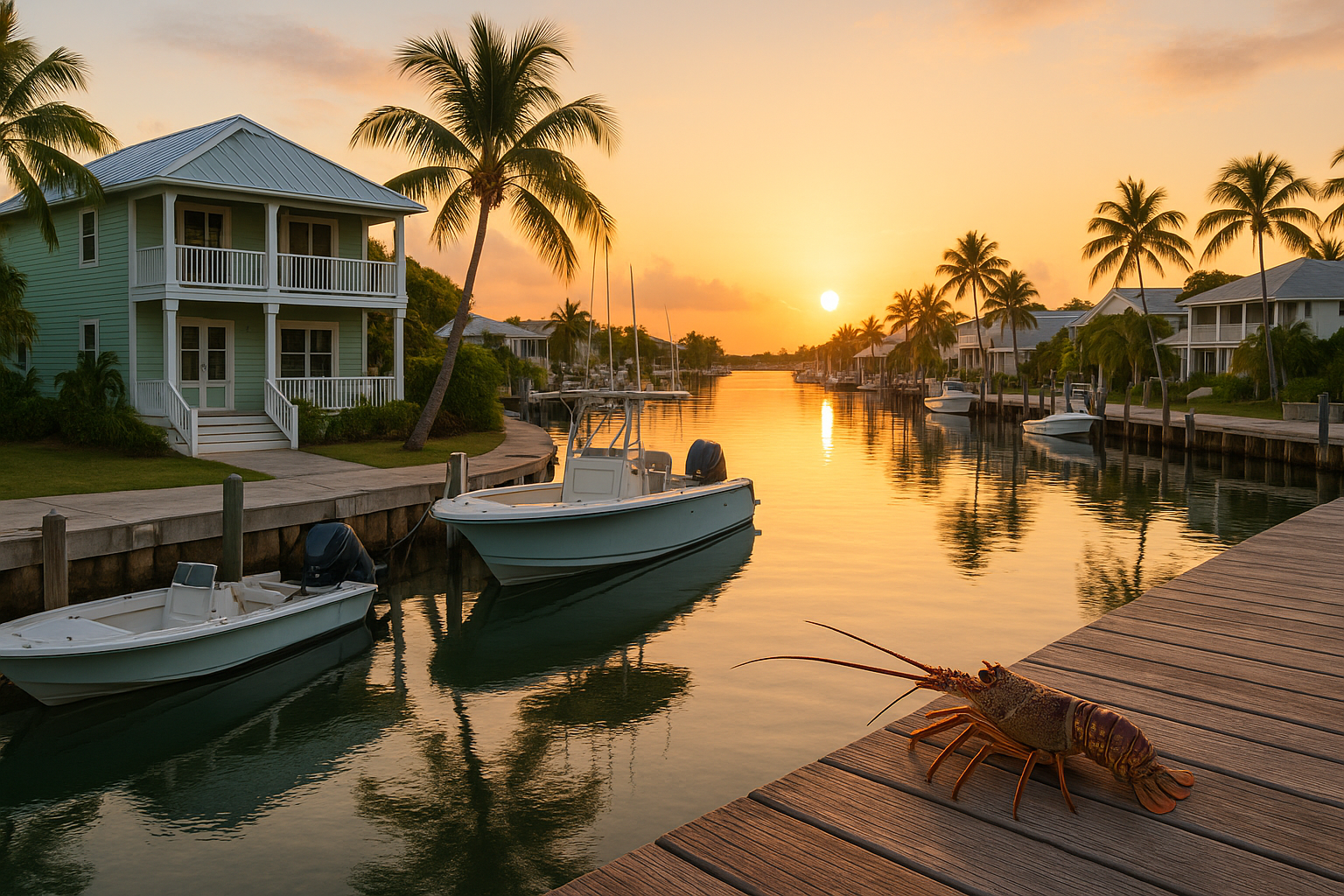
  • How Key West’s Lobster Mini-Season Shapes the Vacation Home Market

    Lobster Mini-Season: How Key West’s Annual Event Shapes the Vacation Home Market

    Answer: Lobster mini-season is a two‑day mid‑July opening that reliably produces a short‑term surge in visitors, boat traffic and short‑term bookings in Key West, lifting occupancy and nightly rates for waterfront and boat‑access properties. Sellers should time listings and highlight dock/gear amenities; buyers and investors must prioritize compliant dock access, storage and conservative rental pro formas to capture higher seasonal revenue while managing operational costs, as seen in areas like key largo market

    What is lobster mini-season and why does it matter for Key West real estate?

    Lobster mini‑season is the Florida Fish and Wildlife two‑day opening (usually the last consecutive Wednesday and Thursday of July). In Key West it triggers night dives, charters and concentrated visitor demand that directly increases bookings, marina use and restaurant revenue—making lobster mini‑season a measurable, repeatable driver of vacation‑rental performance and buyer interest in boater‑focused homes, especially around Buying and Selling in New Town Key West.

    How does short‑term rental demand change during mini‑season?

    Mini‑season creates a distinct mid‑July demand spike separate from winter and spring peaks. Key, actionable patterns:

    • Near‑full occupancy: Listings near ramps, marinas and dive shops book quickly for mini‑season dates and can charge higher nightly rates.
    • Advanced lead time: Repeat groups and charters often reserve months ahead—consistent year‑round marketing pays off.
    • Measurable revenue bump: Properly managed, mini‑season raises summer revenue and can improve annual returns for short‑term rental portfolios.

    Why do waterfront and boat‑access homes attract more interest during mini‑season?

    Practical access and convenience drive premium value during lobster mini-season. Renters and buyers pay more for private docks, lift capacity, close proximity to launch points, secure gear storage, rinse areas and trailer parking—features that improve usability and guest experience and translate to higher perceived value and nightly rates.

    What pricing, listing timing and seasonality tactics should sellers use?

    Mini‑season creates tactical windows for listing and marketing:

    • List timing: Listing before mini‑season attracts buyers focused on summer access; hosts may schedule showings outside key rental dates to preserve income.
    • Price documentation: Document seasonal income—properties with lobster mini‑season amenities can justify higher price expectations for appraisals.
    • Marketing tactics: Use mini‑season imagery, event calendars and renter testimonials to highlight lifestyle and rental appeal.

    What should buyers check for mini‑season‑ready properties?

    Inspect features and regulations that affect usability and costs:

    1. Dock and zoning compliance: Verify permits, FEMA elevation requirements and local restrictions on dock size or modifications.
    2. Access and storage: Confirm loading areas, secure gear storage and outdoor rinse stations.
    3. Conservative rental pro forma: Build income models that include lobster mini‑season premiums and slower shoulder months.
    4. Maintenance and insurance budget: Account for higher upkeep from salt exposure—dock, HVAC and exterior systems.

    What investor and host tactics maximize mini‑season revenue?

    Small operational changes increase bookings and guest satisfaction during lobster mini‑season:

    • Provide bait coolers, deck cleaning supplies and clear catch‑handling instructions.
    • Create mini‑season packages with local captains, dive shops and restaurants to offer curated experiences.
    • Use flexible minimum stays—allow very short stays for the two‑day event and longer stays around it to protect revenue.
    • Inform guests about licensing, size limits and safety rules to reduce liability and improve reviews.

    How does mini‑season affect community infrastructure and long‑term values?

    Mini‑season stresses marinas, ramps and hospitality staffing; that pressure can trigger municipal investments or regulatory changes that affect property values. Buyers should monitor local planning (dock permitting, stormwater and zoning) to anticipate shifts in livability and rental viability. This dynamic is also visible near 7 mile bridge.

    How should buyers balance lifestyle enjoyment with investment goals?

    Weigh personal lifestyle benefits against returns. Properties with durable waterfront features, regulatory compliance and alignment with seasonal tourism typically provide the best mix of enjoyment and financial upside when lobster mini-season demand is accounted for. For official guidance, see National Association of Realtors housing insights.

    Key takeaways

    • Mini‑season creates a predictable mid‑July surge in short‑term rental demand in Key West.
    • Waterfront and boat‑access properties attract higher interest and can command seasonal premiums.
    • Sellers can time listings and market mini‑season amenities; buyers should verify dock regulations and build conservative rental forecasts.
    • Active hosts who offer season‑specific amenities and local partnerships can maximize mini‑season revenue.

    FAQ

    How long is the lobster mini‑season in Key West?

    Two days—typically the last consecutive Wednesday and Thursday of July; exact dates are set annually by the Florida Fish and Wildlife Conservation Commission.

    Does mini‑season affect real estate prices?

    It mainly affects short‑term rental revenue and demand for boat‑access homes; lobster mini-season can justify higher nightly rates and add value for waterfront properties but is not the sole long‑term price driver.

    Should I buy a waterfront property just for mini‑season income?

    No—treat lobster mini-season as one factor. Verify year‑round demand, maintenance, insurance and regulatory constraints before buying.

    What amenities most increase mini‑season bookings?

    Dock space, secure gear storage, rinse stations, bait coolers, trailer parking and clear catch‑handling supplies.

    Are there special rules for handling lobsters on rental properties?

    Guests must follow size, bag limits and licensing rules; hosts should provide sanitation guidance and ensure compliance with local health and wildlife regulations.

    If you want market‑specific guidance timed to lobster mini‑season, consult a local agent to evaluate dock access, rental potential and permitting.

  • Investing and Living on Duval Street: A Guide to Key West’s Most Vibrant Corridor

    Investing and Living on Duval Street: A Guide to Key West’s Most Vibrant Corridor

    Duval Street: A Guide to Investing and Living on Key West’s Most Vibrant Corridor

    Duval Street in Key West, FL, is one of the nation’s most famous small-town commercial corridors. Stretching from the Gulf of Mexico to the Atlantic Ocean, Duval blends historic architecture, bustling retail and dining, and a steady stream of tourists. For buyers and investors, Duval Street represents a unique mix of lifestyle appeal and income potential—but it also carries distinct challenges tied to local rules, seasonal traffic, and preservation requirements.

    Why Duval Street Matters to Real Estate Buyers and Investors

    Duval Street’s importance in the Key West market stems from its concentration of high-footfall businesses and historic properties. The street’s atmosphere attracts visitors year-round, creating strong demand for short-term rentals, retail spaces, restaurants, and experience-driven offerings such as galleries and boutique hotels.

    • High visibility: Properties on or near Duval get constant pedestrian traffic, which benefits ground-floor retail and food-service tenants.
    • Tourism-driven rental demand: Short-term vacation rentals and boutique lodging can command premium nightly rates during peak seasons.
    • Historic value: Many buildings are architecturally significant, appealing to buyers who value character and legacy.
    • Diverse property types: Duval includes commercial storefronts, mixed-use buildings with residential units above, and a small number of standalone homes in adjacent blocks.

    Types of Properties You’ll Find on Duval Street

    The Duval Street corridor offers a range of options for different investment and lifestyle goals.

    Retail and Restaurant Spaces

    Retail and restaurant properties are the backbone of Duval. Ground-floor storefronts with outdoor seating or large display windows tend to perform best. Expect higher price-per-square-foot values compared with other parts of Key West due to the commercial premium.

    Mixed-Use and Live-Work Units

    Mixed-use buildings are common—shops at street level with apartments or short-term rental units above. These properties can diversify income streams and offer the owner-occupier flexibility.

    Historic Homes and Cottages

    While true single-family homes on Duval are rarer, nearby historic cottages and conch-style homes are desirable for buyers wanting a residential experience close to the action. These properties often have strict preservation standards.

    Market Considerations Specific to Duval Street

    Before purchasing on Duval Street, consider several local and market-specific factors that will influence return on investment and lifestyle satisfaction.

    Short-Term Rental Regulations and Compliance

    Key West has detailed rules governing short-term rentals, including licensing, safety requirements, and local tax collection. Investors must ensure properties are compliant—noncompliance can lead to fines or loss of rental privileges. Work with a local agent or property manager familiar with current ordinances.

    Historic District and Building Restrictions

    Many buildings on and near Duval sit within Key West’s historic district, which means exterior renovations and certain alterations require approval from local preservation boards. That preserves the charm but increases renovation timelines and costs.

    Seasonality and Revenue Fluctuations

    Tourism in Key West has seasonal peaks—winter months typically attract the most visitors, while summer can be quieter. Investors should plan for revenue cycles and maintain cash reserves for off-peak periods.

    Traffic, Deliveries, and Operations Logistics

    High pedestrian volume can create logistic challenges for restaurants and retailers. Consider delivery schedules, loading zones, and waste management when evaluating a property’s operational fit.

    Investment Strategies for Duval Street Properties

    Choosing the right strategy depends on risk tolerance, capital, and management appetite. Common approaches include:

    • Short-term rental-focused acquisition: Buy a mixed-use unit or cottage intended primarily for vacation rentals. Factor in license costs and high occupancy management.
    • Buy-and-hold commercial leasing: Purchase a storefront to lease to a restaurant or retail tenant. Long-term triple-net leases can reduce management intensity but require careful tenant selection.
    • Value-add renovation: Acquire a historic property in need of rehab, upgrade interior systems while preserving the façade, and reposition the asset for higher rents or nightly rates.
    • Owner-operator model: Live above your business or run a boutique hospitality venture, combining lifestyle benefits with hands-on revenue control.

    Financing, Insurance, and Due Diligence Tips

    Financing and insuring Duval Street properties have specific nuances. Flood risk, hurricane exposure, and historic preservation can affect both loan terms and insurance premiums.

    • Flood and wind insurance: Expect higher premiums and possibly the need for flood insurance depending on elevation. Get multiple insurance quotes early.
    • Lender requirements: Some lenders have stricter underwriting for short-term rental income or for properties in historic districts—prepare detailed income projections and compliance documentation.
    • Title and zoning checks: Verify easements, historic restrictions, and the property’s permitted uses to avoid surprises after purchase.
    • Professional inspections: Use contractors experienced with older Key West buildings to inspect structural systems, termite/wood-rot issues, and HVAC/electrical upgrades.

    Enhancing Rental Performance on Duval Street

    To maximize rental income, focus on guest experience, unique character, and strong marketing. Key tactics include:

    • Emphasize local charm: Highlight historic elements, walkability, and proximity to attractions in listings.
    • Professional photography: High-quality images significantly improve booking rates for vacation rentals and tenant interest for retail spaces.
    • Responsive management: Fast communication and local concierge services increase repeat bookings and positive reviews.
    • Seasonal pricing strategy: Use dynamic pricing to capture peak-season demand while driving occupancy during slower months.

    Neighborhood Lifestyle and Amenities

    Living or operating a business on Duval Street means constant proximity to events, nightlife, and cultural offerings. Key amenities include art galleries, seafood restaurants, bars, boutique shops, and easy access to waterfront parks and historic sites like the Ernest Hemingway Home and Museum. For residents, the walkable environment and vibrant scene are major draws—but expect noise and crowds, especially during festivals and peak travel periods.

    Case Study Snapshot: Typical Investment Profile

    Example: A mixed-use building on a side block of Duval with a 1,200 sq ft ground-floor retail space and a 1-bedroom short-term rental above. Annual considerations might include:

    • Gross rental revenue from vacation unit: seasonal but premium nightly rates.
    • Commercial lease income or owner-operated retail profit potential.
    • Operating expenses: insurance, property management, historic maintenance, and local taxes.
    • Net operating income depends heavily on occupancy rates and management efficiency.

    This blended approach can smooth income streams while leveraging Duval Street’s high foot traffic.

    How to Get Started

    1. Work with a local agent: Choose an agent experienced on Duval Street and familiar with Key West zoning, historic regulations, and short-term rental licensing.
    2. Visit in different seasons: See how pedestrian traffic, noise, and occupancy vary between peak and off-peak times.
    3. Run pro forma scenarios: Model conservative and optimistic revenue assumptions that account for seasonality and vacancy.
    4. Engage specialists early: Meet with an insurance broker, historic preservation consultant, and property manager during due diligence.

    FAQ

    Can I buy a property on Duval Street to use as a short-term rental?

    Yes, many buyers purchase properties on and near Duval Street for short-term rentals, but you must comply with Key West’s licensing, safety, and tax rules. Check current local ordinances and secure any required permits before operating.

    Are properties on Duval Street more expensive than other areas of Key West?

    Generally, yes. Duval’s central location and commercial demand often lead to higher price-per-square-foot values, especially for storefronts and mixed-use buildings. Historic status can also increase property values but may limit renovation flexibility.

    Is Duval Street a good location for a restaurant or bar?

    Duval Street is ideal for restaurants and bars due to consistent foot traffic and tourist appeal. However, operational challenges like deliveries, regulations on outdoor seating, noise restrictions, and intense competition should be carefully evaluated.

    How does seasonality affect rental income on Duval Street?

    Seasonality can be significant. Winter months typically yield higher occupancy and rates due to northern visitors escaping colder climates. Summer and hurricane season may see reduced demand, so plan for cash reserves and flexible pricing.

    What are common maintenance issues with Duval Street properties?

    Common issues include saltwater corrosion, wood rot in older structures, termite damage, and wear from high pedestrian activity. Historic preservation rules can make some repairs more expensive and time-consuming.

    Final Thoughts

    Duval Street offers a compelling combination of visibility, historic charm, and tourism-driven revenue potential. Whether you’re pursuing a retail investment, a vacation rental, or a live-work lifestyle, careful due diligence, local expertise, and a respect for Key West’s preservation landscape are essential. With the right strategy, Duval Street can be a rewarding and iconic addition to a real estate portfolio.

  • Key West Mini Lobster Season: A Real Estate Guide to Waterfront Living, Walkability, and Buyer Fit

    Key West Mini Lobster Season: A Real Estate Guide to Waterfront Living, Walkability, and Buyer Fit

    Key West Mini Lobster Season: A Real Estate Guide to Waterfront Living, Walkability, and Buyer Fit

    The two-day sport season in late July is more than a date on the calendar—it’s a live demo of what island life feels like in Key West, FL. The Key West mini lobster season energizes marinas, fills the Historic Seaport at daybreak, and spotlights the daily advantages of living close to the water. For buyers and homeowners, it’s also a smart time to evaluate property features that matter year-round: dockage, storage, flood resiliency, parking, HOA rules, and neighborhood noise levels. Put simply, the Key West mini lobster season is a lens for matching lifestyle to the right address.

    What the Key West mini lobster season means for daily life

    During these two days, the island’s routine starts earlier. You’ll hear lines clinking on masts, see headlamps and carts along the docks, and notice parking around the Historic Seaport and Garrison Bight filling up before sunrise. If you live in Old Town near the waterfront, it’s convenient—coffee, gear, and your slip can all be within a short walk. It can also be busier and louder than a typical weekday. In New Town, homes along select canal blocks experience an uptick in early boat movement and trailer activity. Midtown and the Casa Marina area feel the pulse too, though usually with less marina-adjacent bustle.

    Traffic remains manageable if you plan ahead, but waterfront corridors and streets feeding the marinas see the most pressure. Deliveries and service calls may run earlier or later. If you’re a homeowner planning maintenance, schedule contractors away from dawn hours or the exact mini-season dates. If you’re a buyer visiting for showings, expect tighter parking near working docks and consider afternoon windows once boats return.

    Homes that fit the Key West mini lobster season lifestyle

    Old Town: walk-to-dock convenience and Historic Seaport access

    Old Town pairs heritage architecture with walkability. Living within blocks of the Historic Seaport means you can reach your boat, gear lockers, bait, and fuel on foot—an unbeatable perk during the Key West mini lobster season. The tradeoff is space: Old Town lots are tighter, so off-street parking, trailer storage, and side yards suitable for rinsing gear are limited. Buyers prioritize homes with dedicated parking, outdoor showers, hose bibs, impact-rated doors and windows, and storage areas that won’t clutter a historic facade or narrow alleyway.

    New Town waterfront and canal access

    In select New Town pockets with canal frontage, you’ll find docks, boat lifts, davits, and wider driveways that simplify life during and after the mini-season. This setup reduces schlepping and lets you unload straight from the boat to the house. The tradeoff: some blocks are more exposed to boat traffic noise, and flood zone categories can differ from Old Town. Smart upgrades—elevated mechanicals, reinforced seawalls, composite decking, and permitted lifts—add both convenience and resilience for the Key West mini lobster season and the rest of the year.

    Condo vs. single-family: dockage, rules, and maintenance

    Condos near the waterfront often offer proximity to marinas without single-family upkeep. Some buildings have access to deeded or leased slips, though availability can be competitive. HOAs may restrict gear storage in common areas, impose quiet hours, or require proof of insurance for vessels. Single-family homes provide more freedom for rinsing and storing dive gear, but owners take on seawall, lift, and dock maintenance. If the Key West mini lobster season is your favorite time of year, weigh monthly fees and marina rules against the value of a private lift and on-site storage.

    Boat access, slips, and rules every homeowner should plan around

    Slip availability shapes daily convenience and long-term value. The City Marina at Garrison Bight and the Key West Historic Seaport are core hubs; waitlists and seasonal demand ebb and flow, so factor timing into your purchase plan. If you’re buying a home marketed with a slip, verify whether the slip is deeded, assigned, or leased, and confirm transferability in writing. Ask about power, water, depth at mean low tide, and distance to open water. During the Key West mini lobster season, daybreak departures test a slip’s real usability—turning radius, docking wind angles, and wake exposure all matter.

    Trailer storage is tight island-wide. Many Old Town streets are not trailer-friendly, and on-street storage is restricted by city code. If you anticipate frequent trailering, look for New Town driveways with side access, or plan on off-site storage and a clear rinse routine to protect home finishes and landscaping. For harvest rules and safety standards, follow locally posted guidance, respect no-take zones, and confirm current regulations before you head out. Responsible practices protect both the fishery and neighborhood quality of life.

    Timing your visit or move around mini-season

    Buyers who want to experience the lifestyle should visit in the days just before or during the event. You’ll see how early mornings feel near the marinas, where parking pinches, and which streets offer swift routes to the ramps and docks. Sellers can leverage the buzz by highlighting boat access, gear-friendly outdoor space, and upgraded storm protections in listing remarks. If your home sits on a busy corridor, open houses may perform better in the early afternoon when returning boats create lively, but not overwhelming, foot traffic. The Key West mini lobster season provides real-time feedback on location fit that photos can’t match.

    Risk, insurance, and maintenance tied to waterfront living

    Key West is beautiful and salt-intense. Waterfront owners should budget for dock and lift service, stainless or coated hardware, and regular sealing or composite replacements for sun and salt exposure. Inspect seawalls for spalling and tie-back fatigue, and ask for permits and engineering documents for any lifts. Flood zones—often AE and VE—impact insurance, elevation requirements, and potential renovation scope. Impact-rated openings, flood vents where applicable, and properly elevated mechanicals add value and reduce disruption. During the Key West mini lobster season, boat traffic can increase wake against seawalls; fendering and tie-up practices make a difference in long-term maintenance costs.

    FAQs: Key West mini lobster season and homeownership

    What is the mini lobster season and how does it work in Key West?

    It’s a two-day sport season in late July with early launches, bustling docks, and strict local enforcement. In Key West, plan for pre-dawn marina activity and daytime-only harvest rules that can affect your schedule and neighborhood rhythm.

    Which Key West neighborhoods are best for quick access to lobster spots?

    Old Town near the Historic Seaport offers walkability to slips and charters. Select New Town canal blocks provide direct docking at home. Midtown and the Casa Marina area balance proximity with a calmer residential feel. The “best” choice depends on whether the Key West mini lobster season routine—very early mornings and gear handling—fits your daily life.

    How does the season impact home values or rental demand?

    Waterfront convenience, reliable slip access, and storage often see heightened attention. Properties with proven boat access and resilient features can attract stronger interest. Vacation rentals require a city-issued transient license for short stays; well-located, licensed homes may see more inquiries around the Key West mini lobster season.

    What should buyers know about boat storage with Key West properties?

    Verify whether a slip is deeded or leased, review depth and utilities, and read HOA rules for gear and trailers. In Old Town, prioritize off-street parking and rinse areas. In New Town, confirm lift permits and seawall integrity. The Key West mini lobster season stress-tests these details, so evaluate them during a busy morning if possible.

    Can non-residents participate while house hunting?

    Yes, with proper licenses and adherence to local rules. If you’re touring homes during the Key West mini lobster season, plan your showings around early departures and marina congestion.

    Bottom line

    The Key West mini lobster season showcases what daily life looks like when the ocean is your backyard. If you want quick dock access, gear-friendly outdoor space, and strong walkability, prioritize Old Town and waterfront pockets where slips and storage are part of the package. If you prefer quieter streets with more parking and lift potential, targeted New Town locations can be a better fit. Whichever path you choose, align your property search with the reality you’ll live on those two July mornings—and the other 363 days that make Key West, FL, home.

  • Best Fishing in Key West for First-Time Homebuyers: Neighborhoods, Property Types, and Daily-Life Fit

    How to Align Home Search with the Best Fishing in Key West for First-Time Homebuyers

    If your ideal weekend involves rods, reels, and a quick walk or bike ride to a dock, planning your purchase around the best fishing in Key West for first-time homebuyers is smart. In Key West, FL, proximity to charters, marinas, and shore-fishing spots varies block by block. The right choice balances access with budget, storage, flood considerations, and daily-life logistics like parking and walkability.

    Neighborhood Snapshots: Where Fishing Meets Daily Life

    Old Town and the Historic Seaport

    For many buyers, Old Town is the clearest bridge between lifestyle and convenience. Living near the Key West Historic Seaport places you steps from charter boats, fuel docks, bait, and tackle. This is prime territory for the best fishing in Key West for first-time homebuyers who value walkability. You can head out before dawn, avoid hunting for parking, and return to a coffee shop or market within minutes. Expect higher prices and smaller footprints, but the tradeoff is top-tier access and a vibrant, year-round community feel. Homes and condos here often have limited on-site parking and little exterior storage, so plan for compact gear organization inside the unit or in a small storage locker if available.

    Midtown

    Midtown offers a residential rhythm with bikeable connections to Old Town and North Roosevelt Boulevard. If you want some yard space for rinsing gear and a quieter street, Midtown can work well. It’s a strategic middle ground—close enough to reach the seaport or Garrison Bight by bike, yet more attainable than many Old Town addresses. Buyers focused on the best fishing in Key West for first-time homebuyers who also want a less tourist-centered atmosphere often find Midtown a comfortable fit.

    New Town and North Roosevelt

    New Town delivers more straightforward access to Garrison Bight Marina and its Charter Boat Row. Sidewalks and multi-use paths along North Roosevelt support biking with a rod and backpack cooler. Condos and townhomes here can be relatively budget-friendly compared with Old Town, helping first-timers prioritize access over square footage. This is a logical zone for the best fishing in Key West for first-time homebuyers seeking proximity to larger marinas and a practical commute to morning departures.

    Casa Marina and The Meadows

    Casa Marina and The Meadows offer quieter streets with quick bike routes to both the Atlantic-side piers and Old Town amenities. Casa Marina is handy to beaches and near-shore fishing access, while The Meadows keeps you close to the Historic Seaport without the densest foot traffic. Buyers focused on the best fishing in Key West for first-time homebuyers often shortlist these areas for a balance of calm blocks and quick access to docks.

    Property Types That Fit a Fishing Lifestyle

    Condos Near the Harbor

    Condos within walking or biking distance of the Historic Seaport or Garrison Bight can stretch your lifestyle dollar. Many deliver lower maintenance, shared amenities, and excellent access. The tradeoff? HOA rules. Some associations prohibit storing rods on balconies, washing down gear in common areas, or keeping small watercraft on-site. Before you write an offer, request condo documents and house rules to verify allowable storage, rinse areas, elevator access for heavy coolers, and whether there’s a designated spot for carts or wagons. If your goal is the best fishing in Key West for first-time homebuyers at a manageable price point, a compact condo close to charters often beats a larger home far from the docks.

    Single-Family Homes with Outdoor Utility

    Single-family homes in Midtown and parts of New Town may provide outdoor space for a freestanding rinse station, a shed for tackle, and room to organize coolers and nets. If you plan to trailer a small skiff, confirm local regulations and any neighborhood covenants regarding on-site boat or trailer parking. Because Key West lots are tight, consider whether you can back a trailer into the driveway without blocking sidewalks or creating daily hassles.

    Access Points: Marinas, Piers, and Shore-Fishing

    For charters and larger boats, Garrison Bight Marina and the Key West Historic Seaport are central hubs. Living nearby greatly reduces morning logistics. Shore anglers often head to Edward B. Knight (White Street) Pier, Higgs Beach areas, and select public-access edges along the waterfront where permitted. Some residents hand-launch kayaks or paddleboards from sandy entries or small-access points, then fish structure and flats; always verify local rules and be respectful of swimmers and posted signage.

    Parking near busy docks can be tight. If your home isn’t within an easy bike ride, factor in ride-share costs or a folding bike you can stash onboard. The best fishing in Key West for first-time homebuyers often comes down to how pain-free those dawn and dusk transitions feel from your front door.

    Budget and Affordability Tactics

    • Target micro-locations: Two blocks closer to the seaport can eliminate daily parking costs and time, which adds real value over years.
    • Consider smaller footprints: A one-bedroom condo near the harbor may support a richer fishing lifestyle than a larger home far from marinas.
    • Prioritize storage solutions: Look for units with a deeded storage closet, a ground-floor locker, or permission to install a compact shed (for homes).
    • Ask about slip access: If a building abuts the water, clarify how slips are assigned, waitlists, and whether non-owners can lease.
    • Time your search: Inventory ebbs and flows. Stay pre-approved and ready to act quickly on well-located listings.

    These moves help first-timers capture the best fishing in Key West for first-time homebuyers without overshooting budget.

    Flood Zones, Insurance, and Storm Readiness for Anglers

    Many desirable waterfront-adjacent streets sit in flood-prone zones. Before committing, review the property’s elevation certificate, base flood elevation (BFE), and historical claims data if available. Insurance costs can vary significantly based on construction, elevation, and wind mitigation features. If you’re chasing the best fishing in Key West for first-time homebuyers near marinas, evaluate these factors:

    • Ground-level storage: Keep valuable tackle and electronics above potential water lines; prioritize elevated or interior storage.
    • Exterior finishes: Tile floors, impact windows, and sealed lower enclosures make post-trip rinses simpler and more resilient.
    • Hurricane prep: Confirm HOA and marina storm protocols, slip tie-down guidelines, and where you’ll store gear during advisories.

    Daily-Life Details That Matter

    • Walkability and bikes: Short, consistent routes to the seaport or Garrison Bight reduce friction. Test your door-to-dock time at dawn.
    • Rinse and dry zones: A hose bib, shaded corner, and rod racks prevent mildew and keep the home tidy.
    • Noise and privacy: Charter areas are active early; consider window orientation and sound attenuation if you live very close to docks.
    • Parking: If you plan to drive to morning trips, ensure reliable parking at home and understand street-parking rules nearby.

    When the basics line up, the best fishing in Key West for first-time homebuyers becomes a natural part of the week—not a special-occasion hassle.

    Commute Times to Fishing within Key West, FL

    Because the island is compact, a well-chosen home can put you within a few minutes of prime departure points. Map your routine: from your door to the charter dock, to bait, to coffee, and back. If it takes longer than expected, adjust your search radius. Many buyers realize the best fishing in Key West for first-time homebuyers depends less on square footage and more on shaving minutes off the morning shuffle.

    Putting It All Together

    First-time buyers who lead with lifestyle win here. Identify your preferred launch point—Historic Seaport or Garrison Bight—then reverse-engineer your search by walkability, storage, HOA flexibility, and insurance. Whether it’s a compact Old Town condo a block from the docks or a Midtown cottage with a perfect gear shed, the best fishing in Key West for first-time homebuyers is about fitting your real, everyday routine to the island’s fishing rhythm.

    FAQ: Best Fishing in Key West for First-Time Homebuyers

    What are the top fishing spots accessible from Key West neighborhoods for first-time homebuyers?

    For boat trips, the Key West Historic Seaport and Garrison Bight Marina are central. Shore anglers often use White Street Pier and permitted areas near Higgs Beach. If your home is in Old Town, you can often walk to charters; Midtown and New Town are typically quick bike rides. This structure supports the best fishing in Key West for first-time homebuyers who want consistent, low-effort access.

    How do flood zones impact home buying for fishing lovers in Key West, FL?

    Flood zones affect insurance costs, storage planning, and how you protect gear. Review elevation certificates and consider properties with impact-rated features and practical rinse/storage zones above expected water levels. Proximity to marinas is great, but confirm how the property’s elevation and construction influence long-term costs.

    What’s the difference in fishing access between Old Town and New Town for new buyers?

    Old Town is walkable to the Historic Seaport and many charters—ideal if you prefer leaving the car at home. New Town offers straightforward access to Garrison Bight and typically simpler parking. Both can work; the better fit depends on whether you want ultra-close walkability or a slightly larger living space with easy bike routes.

    Are there affordable condo options in Key West with marina views for beginner anglers?

    Yes—focus on compact condos near the Historic Seaport or along North Roosevelt corridors with quick access to Garrison Bight. Confirm HOA rules about storing rods, carts, and coolers, and look for buildings with elevators or ground-floor storage. For many buyers, that combination unlocks the best fishing in Key West for first-time homebuyers without paying single-family premiums.

    How can first-time buyers in Key West find homes with easy boat ramp or launch access?

    Prioritize micro-areas near the Historic Seaport and Garrison Bight, and ask about hand-launch spots for kayaks and paddleboards if you fish the flats. Verify city regulations and any HOA policies on water access, gear washing, and parking to streamline every launch.