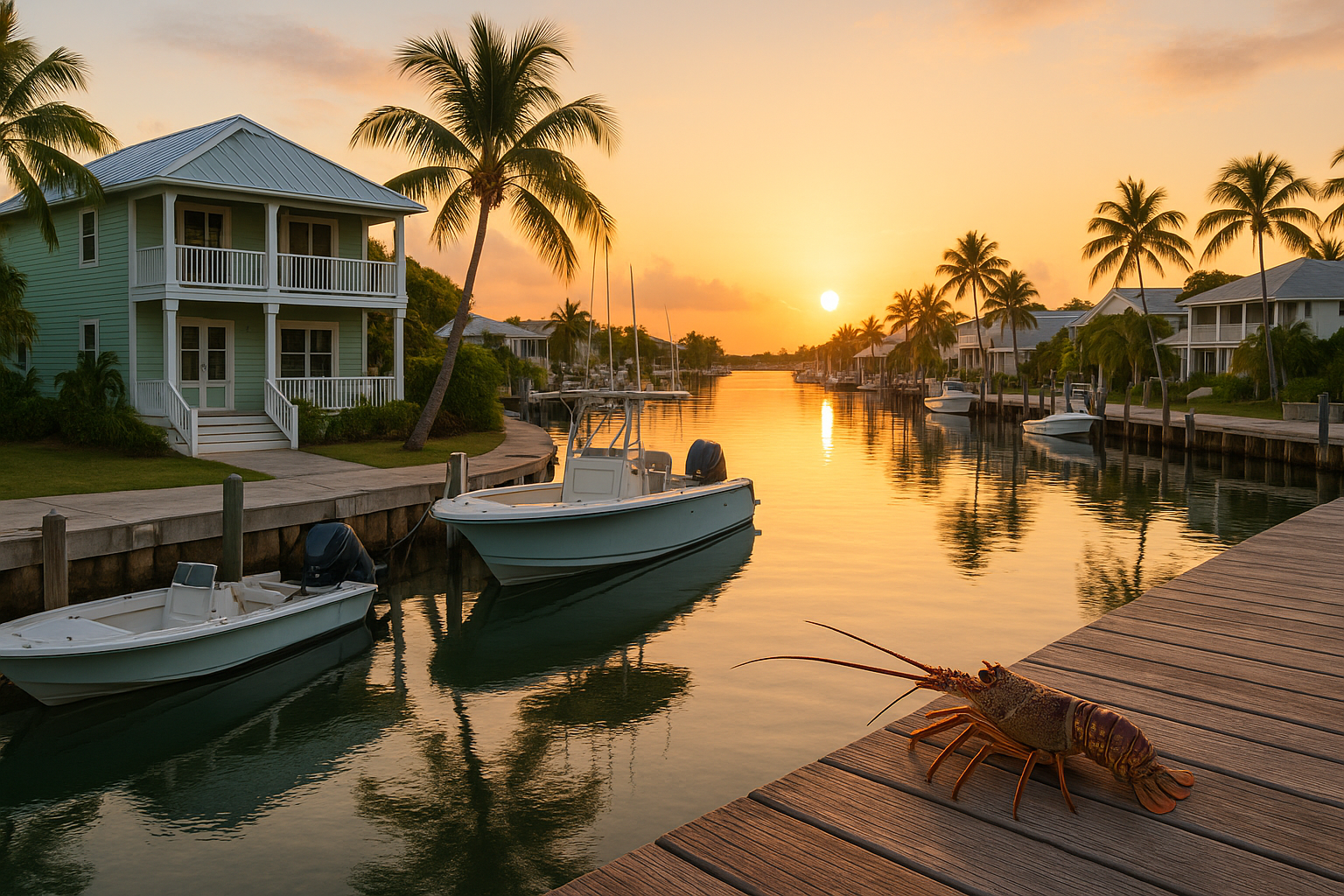
Key West Mini Lobster Season: A Real Estate Guide to Waterfront Living, Walkability, and Buyer Fit
The two-day sport season in late July is more than a date on the calendar—it’s a live demo of what island life feels like in Key West, FL. The Key West mini lobster season energizes marinas, fills the Historic Seaport at daybreak, and spotlights the daily advantages of living close to the water. For buyers and homeowners, it’s also a smart time to evaluate property features that matter year-round: dockage, storage, flood resiliency, parking, HOA rules, and neighborhood noise levels. Put simply, the Key West mini lobster season is a lens for matching lifestyle to the right address.
What the Key West mini lobster season means for daily life
During these two days, the island’s routine starts earlier. You’ll hear lines clinking on masts, see headlamps and carts along the docks, and notice parking around the Historic Seaport and Garrison Bight filling up before sunrise. If you live in Old Town near the waterfront, it’s convenient—coffee, gear, and your slip can all be within a short walk. It can also be busier and louder than a typical weekday. In New Town, homes along select canal blocks experience an uptick in early boat movement and trailer activity. Midtown and the Casa Marina area feel the pulse too, though usually with less marina-adjacent bustle.
Traffic remains manageable if you plan ahead, but waterfront corridors and streets feeding the marinas see the most pressure. Deliveries and service calls may run earlier or later. If you’re a homeowner planning maintenance, schedule contractors away from dawn hours or the exact mini-season dates. If you’re a buyer visiting for showings, expect tighter parking near working docks and consider afternoon windows once boats return.
Homes that fit the Key West mini lobster season lifestyle
Old Town: walk-to-dock convenience and Historic Seaport access
Old Town pairs heritage architecture with walkability. Living within blocks of the Historic Seaport means you can reach your boat, gear lockers, bait, and fuel on foot—an unbeatable perk during the Key West mini lobster season. The tradeoff is space: Old Town lots are tighter, so off-street parking, trailer storage, and side yards suitable for rinsing gear are limited. Buyers prioritize homes with dedicated parking, outdoor showers, hose bibs, impact-rated doors and windows, and storage areas that won’t clutter a historic facade or narrow alleyway.
New Town waterfront and canal access
In select New Town pockets with canal frontage, you’ll find docks, boat lifts, davits, and wider driveways that simplify life during and after the mini-season. This setup reduces schlepping and lets you unload straight from the boat to the house. The tradeoff: some blocks are more exposed to boat traffic noise, and flood zone categories can differ from Old Town. Smart upgrades—elevated mechanicals, reinforced seawalls, composite decking, and permitted lifts—add both convenience and resilience for the Key West mini lobster season and the rest of the year.
Condo vs. single-family: dockage, rules, and maintenance
Condos near the waterfront often offer proximity to marinas without single-family upkeep. Some buildings have access to deeded or leased slips, though availability can be competitive. HOAs may restrict gear storage in common areas, impose quiet hours, or require proof of insurance for vessels. Single-family homes provide more freedom for rinsing and storing dive gear, but owners take on seawall, lift, and dock maintenance. If the Key West mini lobster season is your favorite time of year, weigh monthly fees and marina rules against the value of a private lift and on-site storage.
Boat access, slips, and rules every homeowner should plan around
Slip availability shapes daily convenience and long-term value. The City Marina at Garrison Bight and the Key West Historic Seaport are core hubs; waitlists and seasonal demand ebb and flow, so factor timing into your purchase plan. If you’re buying a home marketed with a slip, verify whether the slip is deeded, assigned, or leased, and confirm transferability in writing. Ask about power, water, depth at mean low tide, and distance to open water. During the Key West mini lobster season, daybreak departures test a slip’s real usability—turning radius, docking wind angles, and wake exposure all matter.
Trailer storage is tight island-wide. Many Old Town streets are not trailer-friendly, and on-street storage is restricted by city code. If you anticipate frequent trailering, look for New Town driveways with side access, or plan on off-site storage and a clear rinse routine to protect home finishes and landscaping. For harvest rules and safety standards, follow locally posted guidance, respect no-take zones, and confirm current regulations before you head out. Responsible practices protect both the fishery and neighborhood quality of life.
Timing your visit or move around mini-season
Buyers who want to experience the lifestyle should visit in the days just before or during the event. You’ll see how early mornings feel near the marinas, where parking pinches, and which streets offer swift routes to the ramps and docks. Sellers can leverage the buzz by highlighting boat access, gear-friendly outdoor space, and upgraded storm protections in listing remarks. If your home sits on a busy corridor, open houses may perform better in the early afternoon when returning boats create lively, but not overwhelming, foot traffic. The Key West mini lobster season provides real-time feedback on location fit that photos can’t match.
Risk, insurance, and maintenance tied to waterfront living
Key West is beautiful and salt-intense. Waterfront owners should budget for dock and lift service, stainless or coated hardware, and regular sealing or composite replacements for sun and salt exposure. Inspect seawalls for spalling and tie-back fatigue, and ask for permits and engineering documents for any lifts. Flood zones—often AE and VE—impact insurance, elevation requirements, and potential renovation scope. Impact-rated openings, flood vents where applicable, and properly elevated mechanicals add value and reduce disruption. During the Key West mini lobster season, boat traffic can increase wake against seawalls; fendering and tie-up practices make a difference in long-term maintenance costs.
FAQs: Key West mini lobster season and homeownership
What is the mini lobster season and how does it work in Key West?
It’s a two-day sport season in late July with early launches, bustling docks, and strict local enforcement. In Key West, plan for pre-dawn marina activity and daytime-only harvest rules that can affect your schedule and neighborhood rhythm.
Which Key West neighborhoods are best for quick access to lobster spots?
Old Town near the Historic Seaport offers walkability to slips and charters. Select New Town canal blocks provide direct docking at home. Midtown and the Casa Marina area balance proximity with a calmer residential feel. The “best” choice depends on whether the Key West mini lobster season routine—very early mornings and gear handling—fits your daily life.
How does the season impact home values or rental demand?
Waterfront convenience, reliable slip access, and storage often see heightened attention. Properties with proven boat access and resilient features can attract stronger interest. Vacation rentals require a city-issued transient license for short stays; well-located, licensed homes may see more inquiries around the Key West mini lobster season.
What should buyers know about boat storage with Key West properties?
Verify whether a slip is deeded or leased, review depth and utilities, and read HOA rules for gear and trailers. In Old Town, prioritize off-street parking and rinse areas. In New Town, confirm lift permits and seawall integrity. The Key West mini lobster season stress-tests these details, so evaluate them during a busy morning if possible.
Can non-residents participate while house hunting?
Yes, with proper licenses and adherence to local rules. If you’re touring homes during the Key West mini lobster season, plan your showings around early departures and marina congestion.
Bottom line
The Key West mini lobster season showcases what daily life looks like when the ocean is your backyard. If you want quick dock access, gear-friendly outdoor space, and strong walkability, prioritize Old Town and waterfront pockets where slips and storage are part of the package. If you prefer quieter streets with more parking and lift potential, targeted New Town locations can be a better fit. Whichever path you choose, align your property search with the reality you’ll live on those two July mornings—and the other 363 days that make Key West, FL, home.
Leave a Reply